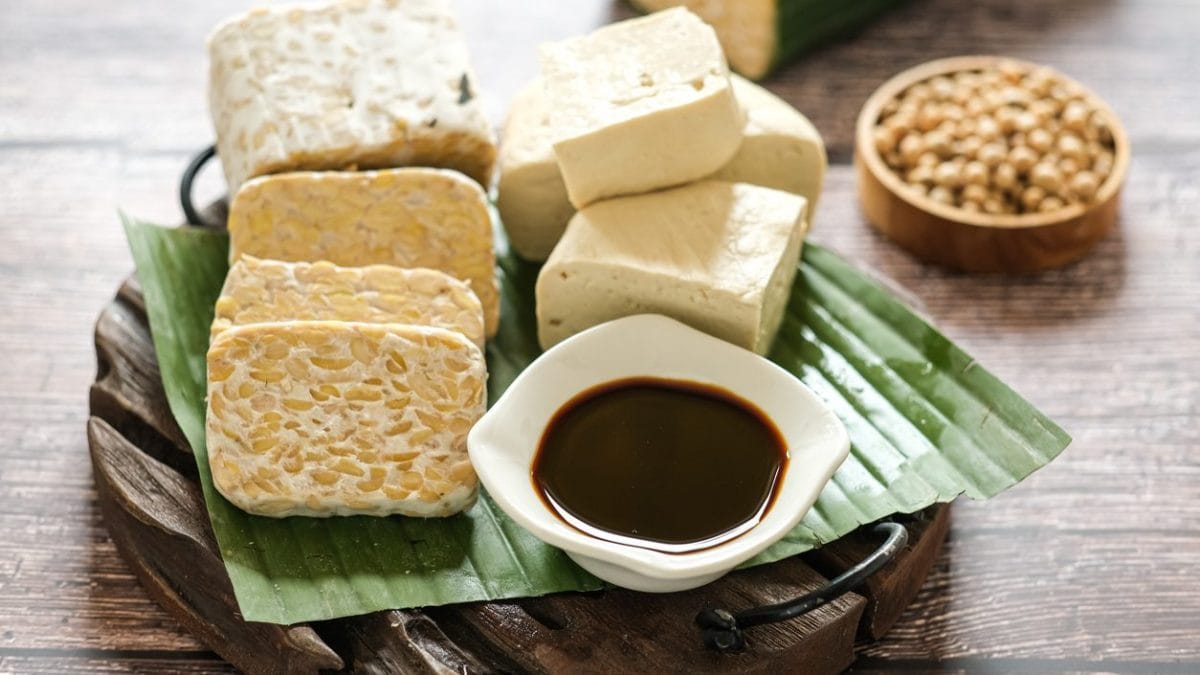
The vegetarian and vegan world offers a wide range of foods, and tempeh stands out among them, a product of Indonesian origins that is increasingly gaining a following for healthy and sustainable cuisine. Less well-known than tofu, but equally versatile, tempeh is a fermented soybean food rich in protein, fiber, and vitamins. Its texture and slightly nutty flavor make it a perfect ingredient for creating tasty and healthy dishes, capable of satisfying even the most discerning palates. Let's discover together what tempeh is, where it comes from, and how to make the most of its potential in the kitchen.
What is Tempeh and How Is It Produced?
Tempeh is a food obtained by fermenting soybeans: they are steamed, ground, and then inoculated with a specific fungus (Rhizopus oligosporus), which creates a sort of "matrix" that binds the beans together into a compact block. This fermentation gives tempeh a unique flavor and a slightly crumbly texture. Tempeh's origins date back to Indonesia, where it was produced for centuries as a source of plant-based protein. Today, tempeh is enjoyed worldwide and is made with various varieties of soybeans, offering a wide range of flavors and textures.
How to Use Tempeh in Cooking
Tempeh's versatility makes it an ideal ingredient for numerous preparations. It can be eaten raw or cooked, and lends itself to a variety of cooking methods: grilled, pan-fried, baked, or steamed. Tempeh's delicate flavor pairs well with various spices and herbs, making it a perfect ingredient for marinating and flavoring.

Tempeh can be used as a meat substitute in numerous dishes, such as burgers, meatballs, strips, and wraps; it can be added to soups and stews to increase their protein content and flavor. Thinly sliced, tempeh can be used as a filling for sandwiches and rolls, along with vegetables and sauces, or it can be diced and sautéed with vegetables for a tasty and nutritious side dish. Grilled or baked tempeh can be enjoyed as a healthy and delicious snack.
Before cooking, you can marinate tempeh in soy sauces, apple cider vinegar, spices, and herbs to enhance its flavor and make it more tender. When cooking, make sure it's golden and crispy on the outside and soft on the inside. If you're looking for a quick and easy recipe to try, you can simply fry it.

How to Buy Tempeh
Intensive soy cultivation, especially in some regions of the world, can lead to deforestation, soil erosion, and pollution from pesticides and fertilizers. It's essential to choose soy products from organic and sustainable farms. The environmental impact of transportation depends on the distance the product travels: choosing tempeh produced locally or from companies that favor sustainable transportation methods can reduce the carbon footprint.
What to look for on the label:
- Organic. Always choose organic tempeh: organic soy cultivation reduces environmental impact and guarantees the absence of pesticides and GMOs.
- Simple ingredients. The ideal tempeh is made with just a few ingredients: soybeans, water, and fermentation starter. Avoid products with additives or preservatives.
- Origin. If possible, choose tempeh produced locally or from companies that guarantee a short and sustainable supply chain.
- Expiration date. Make sure the tempeh is fresh and that the expiration date is far from the expected date.
;Resize,width=767;)
