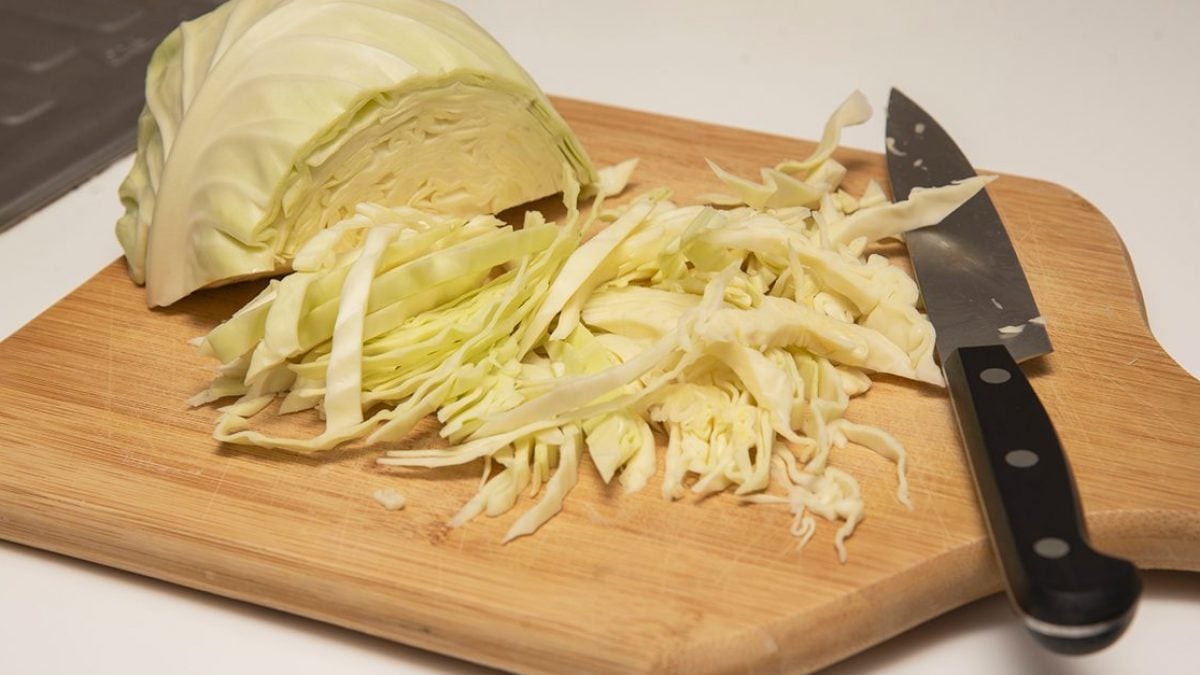
Whether you're a professional, a cooking enthusiast, or just a casual cook, we're sure you have at least one cutting board in your kitchen. These increasingly popular tools are excellent allies for cutting and handling food. As is well known, they come in a variety of materials and shapes: generally, the most popular have always been wood, plastic, and, more recently, silicone. But each material has its own specific use, which depends on its durability, ease of use, and versatility. But how do you choose the best one? Here are the factors you need to consider and how to choose the most suitable cutting board for your needs.
Wood Cutting Boards

Undoubtedly one of the most popular in home kitchens, it is particularly suitable for cutting bread, cheese, vegetables, and making fresh pasta. As you might guess, there is no single type of wood used to make them: they can be made from oak, poplar, beech, walnut, bamboo, fir, and olive. In general, it is always best to choose a more resistant type of wood, such as oak or beech. This is because one of the major drawbacks of wooden cutting boards is the possibility of them creating more or less deep grooves, in which bacteria can nest, due to the use of knives on its surface. Furthermore, wood absorbs a lot of water, encouraging the multiplication of microbes. For this reason, it is important to avoid leaving them wet for too long after washing them, perhaps by letting them dry in the sun or on a radiator.
Plastic Cutting Boards

Like wooden cutting boards, plastic cutting boards are also susceptible to knife blades, which can cause cuts and nicks. For this reason, it's recommended to replace them more frequently than other cutting boards, also due to the possibility that small plastic shavings could contaminate food. However, thanks to their material, they're easier to clean and can easily be washed in the dishwasher. Plastic cutting boards are usually colored differently, because it's important to distinguish them according to their intended use: for example, red for raw meat, blue for cooked meat, yellow for vegetables, and so on, to eliminate the possibility of cross-contamination between foods.
Silicone Cutting Boards

Much like the previous one, the silicone cutting board is very easy to clean and, above all, convenient to use: its composition allows it to adhere very well to the work surface, without constantly shifting. Compared to plastic cutting boards, it also resists wear and tear and the action of knives better. You can cut just about anything on a silicone cutting board: from meat to vegetables, including potatoes and harder tubers. Some silicone cutting boards are oven-safe.
Glass Cutting Boards

In this case, aesthetics are more important than practicality. Although very attractive to look at, glass cutting boards are often used more as trays than as cutting boards. This is because the material they're made of could damage knife blades, they're slippery, and can be dangerous if a fragment accidentally gets inside the food.
Steel Cutting Boards

The steel cutting board is certainly the most used by professionals and perfect for working with leavened products. Thanks to its non-porous material, it does not absorb water, odors, or bacteria, making it suitable for handling any type of food and preventing dough from sticking to the surface. Extremely easy to clean, it has the disadvantage of being a heavy and awkward tool to handle.
Marble Cutting Board

We conclude our list by discussing marble cutting boards. They're difficult to use, heavy, and difficult to move and clean. They're not a porous material, but they're very sensitive and therefore easily damaged by contact with acidic foods like lemons, tomatoes, or vinegar. They're particularly suitable for tempering chocolate.
Which One is The Best One?
Generally speaking, it's difficult to determine which is the best cutting board. This is because, as we've seen, its characteristics are determined by a combination of elements that determine its use. We can say, however, that a good cutting board must be durable, compact, and have a non-porous surface to prevent the absorption of water, unpleasant odors, and bacteria. Ease of use is important, as a good cutting board must be stable and therefore not slip while in use.
If the material itself isn't very grippy, it's a good idea to have support feet. Next comes sturdiness: a sturdy cutting board is usually impact-resistant, regardless of the materials it's made of. Finally, versatility. A cutting board that can be used both for cooking and as a serving tray is definitely recommended over one-purpose boards.
So, ultimately, which one should you choose? For versatile home use, a quality wooden cutting board is a good choice, as is a silicone cutting board, which is decidedly versatile and adaptable to various preparations; for professional use, or for those seeking maximum hygiene, plastic or steel cutting boards are preferable. If you enjoy handling knives and are accustomed to deboning and separating large pieces of meat, a marble cutting board is certainly the most useful choice: remember, however, that it is not easy to move, so place it in a specific, fixed location. Finally, for those who want to use it as an object, such as a tray, the choice is glass, which is decidedly elegant.
;Resize,width=767;)
