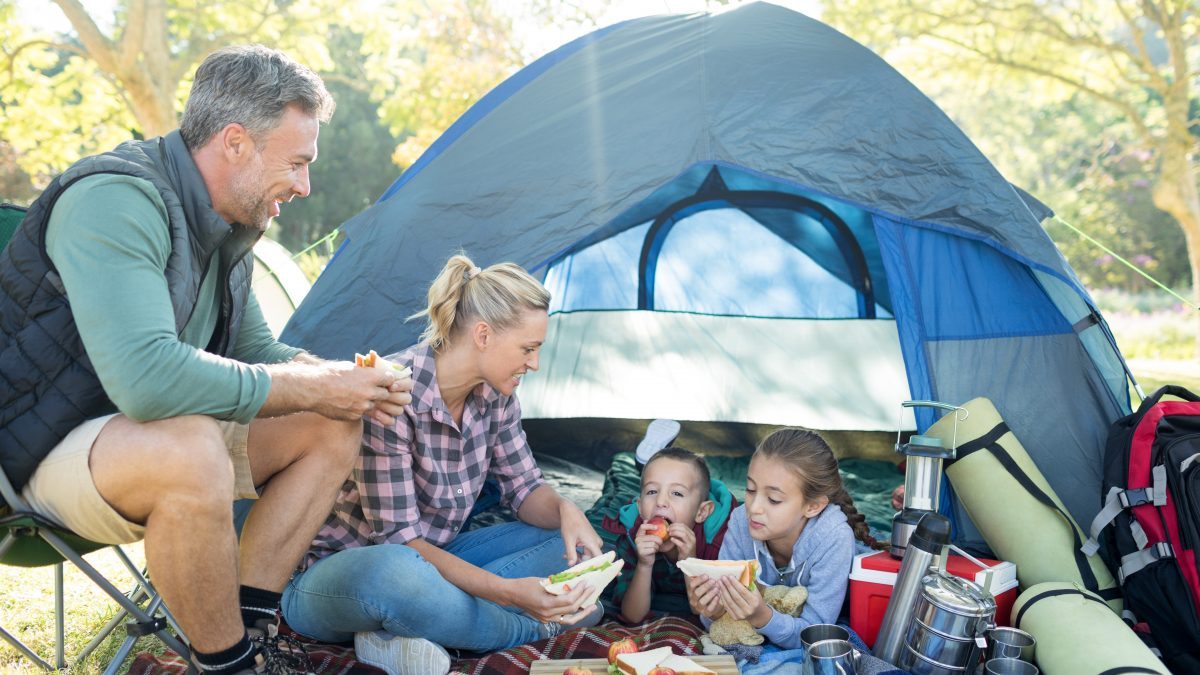
Preparing breakfast, lunch, and dinner without a conveniently equipped kitchen might seem daunting, but camping is actually easier than you think. Depending on the length and type of camping experience you choose, you'll need to equip yourself with the right tools, from a stove to a refrigerator, as well as opting for easy-to-carry, practical, and easy-to-use foods, such as canned goods. Planning ahead is a good idea: you can create a menu of dishes to eat immediately or pre-prepared, complemented by dishes you can prepare on the spot, perhaps using fresh, local ingredients, from vegetables to dairy products.
The fundamental rule is to plan ahead so you're not caught off guard. Here are some tips on how to plan camping meals, including recipes.
The Tools You Need for Camping Cooking
A spirit of adaptability is a fundamental requirement for this type of vacation, because the needs of those who choose to bring a tent and backpack for a touring trip are different from those who will be staying in the same spot throughout their stay. The same applies for those who camp in a camper or caravan. Let's take a look at the essential tools a camp kitchen should have:
- Camping stoves. Lightweight and compact, they can be used for alcohol, charcoal, gas, and electric. They're the basic option for cooking a meal.
- Gas stove. This is a cooktop with two or three burners, allowing you to prepare multiple dishes at once. Larger and more powerful than gas stoves, they're the ideal solution for those who camp permanently in one location, in a group, or with a family.
- Portable grills and barbecues. There are various types on the market (charcoal, gas, or electric) designed for convenient outdoor use.
- Portable cooler. There are various options available in terms of capacity, materials, and functionality. From coolers without power supplies, which last for several hours, to electric ones, to refrigerators that not only cool but also freeze.
- Kettle. Equipped with a handle, spout, and lid, it's a convenient tool for safely boiling water. Various universal models are available, both electric and suitable for any stovetop.

Depending on the type of camping you want to organize, it is useful to take into consideration the following kitchen accessories:
- Plates, glasses, and cutlery. Depending on the number of people, a set per person is recommended, from breakfast mugs to soup bowls. It's best to opt for lightweight, durable, and easily washable tableware. Disposable items are not recommended, as they're not always easy to dispose of.
- Tools. Essentials: a Swiss Army knife—which doubles as a can opener, bottle opener, and corkscrew—a couple of pans and a pot (with a lid, saving time and money), trivets, a cutting board, a sharp knife for cutting, bowls for serving salad and fruit, food containers, a ladle, a rubber spatula, and a wooden spoon.
- Other practical accessories. Cling film, paper towels, aluminum foil, a pair of scissors, and lighters or matches are essential. Don't forget barbecue accessories, especially protective gloves and tongs, and a thermos to carry in your backpack. For washing dishes, it's a good idea to purchase eco-friendly, biodegradable detergent, a sponge, and dish towels. Those who like to start the day with coffee can also bring a moka pot.
What to Eat for Breakfast When Camping
Planning the first meal of the day is easy, as there are several ready-made products available. Biscuits, toast, and sandwich bread keep for a decent amount of time after opening. Enjoy them with jam, peanut butter, and Nutella-style hazelnut spread: they're often available in single-serving portions at the supermarket, a good solution if the jars are too heavy or too large to carry around.
For drinks, you can choose from tea, coffee, herbal teas, or even milk, which you can enrich with your favorite cereals. Depending on your space and grocery store availability, you can opt for either shelf-stable or fresh milk. For your first breakfasts, you can treat yourself to a classic dessert from home, such as a bundt cake, which, stored in a cake container, will last about 4-5 days.

What to Eat For Lunch While Camping
Camping lunch is often a break from the day's activities. Therefore, the logic is the same as for packed lunches: the focus is on light but complete dishes, such as salads, rice salad, and couscous, as well as cold pasta dishes. These are practical, economical, and can be prepared in advance. There's nothing stopping you from also cooking a plate of pasta to eat hot. For those with only a small stove, pasta is generally not the best choice, as boiling and cooking water takes a long time. At most, you can try cooking it off the heat, which uses less gas. Rice, especially basmati or cold rice, is also available in versions that only require a few minutes of cooking in a pan with a drizzle of oil: ideal in this situation.
For condiments, jarred foods are a great ally: tomato sauce, various pestos, tuna, corn, legumes, and vegetables in oil are all ingredients that can be used to add flavor and color to the menu. There's also room for sandwiches, which can be easily assembled with cold cuts and cheeses, particularly suitable for those who only have frugal meals.
What to Eat in The Evening While Camping
For those who view the campsite as a daily stopover, lunch and dinner are similar, aiming to balance both meals with the right nutrients. On the other hand, for those who consider the campsite their base camp, evenings are synonymous with barbecues: many facilities have regulations prohibiting noise during the day, especially between 1 and 4 p.m., so setting up a barbecue during the designated quiet time is disrespectful to other guests.
At sunset, it's time to grill meat (including its vegetarian substitutes), fish (preferably freshly caught), and vegetables. Once you've used it, it needs to be thoroughly cleaned to keep it at peak performance. You can also serve a few no-cook appetizers, like prosciutto and melon or a Caprese salad, or finish with a slice of watermelon or a fruit salad.

Some Easy and Tasty Recipes to Make While Camping
Camping meals are simple, uncomplicated recipes, designed to dirty as few utensils as possible. Furthermore, if you have a small refrigerator or none at all, it's best to create dishes using canned goods. Some ideas? Vegetable couscous is convenient because the semolina grains are precooked and simply rehydrated in boiling water and seasoned with readily available seasonal vegetables. Bean and tuna salad is a complete summer dish. For breakfast, oatmeal porridge is very nutritious (and can even be made with water), while chicken and watermelon salad is a delicious way to use up leftover chicken and watermelon from the previous evening's barbecue. If you don't have the time or resources to cook, it's best to rely on pre-packaged or canned meals that can be reheated: from soups to chili to noodles, the choice of express dishes is truly vast.
Last but not least, it's important to have the basic ingredients for any dish readily available: salt, olive oil, vinegar, and any spices and herbs, all stored in space-saving containers and bottles. If your days are particularly busy, stock up on dried fruit and energy bars, perfect for taking with you to face any adventure with energy.
;Resize,width=767;)
