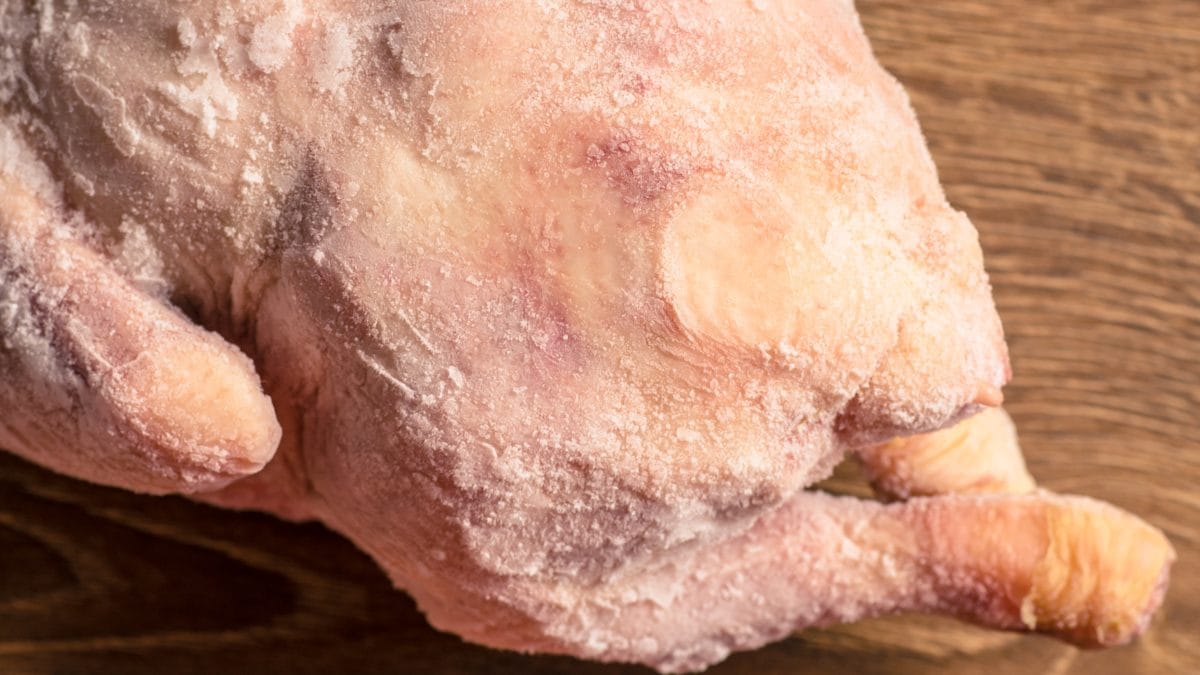
A frozen turkey is the quiet hero of the holiday season. It waits patiently in your freezer, costs far less than a fresh bird, and unlike the infamous “fresh turkeys that sold out in seconds”, is almost always available. But buying one isn’t as straightforward as tossing a frosty bird into your cart the week before Thanksgiving. If you want a stress-free holiday (and a turkey that actually fits in your oven), there are a few things you really need to know before choosing a frozen bird.
Frozen Turkeys Are Flash-Frozen at Peak Freshness
One of the biggest misconceptions is that frozen turkeys are somehow “lower quality” simply because they’re frozen. Not true. Commercial turkeys are frozen immediately after processing, often within hours. That means the bird you buy in November was probably at its freshest—just frozen in time. Fresh turkeys, on the other hand, can be several days old when you purchase them. If consistency matters, frozen often wins.
You Need Way More Time to Thaw One Than You Think
This is where most Thanksgiving disasters begin. Thawing a frozen turkey safely takes days, not hours. The USDA’s rule of thumb is simple: One day of thawing in the fridge per 4–5 pounds of turkey. That means:
- A 12-pound turkey: about 3 days
- A 16-pound turkey: about 4 days
- A 20-pound turkey: about 5 days
If you’ve ever found yourself Googling “can I cook a turkey from frozen?” the morning of Thanksgiving, you’re not alone—and yes, it’s technically possible, but not ideal. Plan your thawing like it’s a doctor’s appointment: early, precise, and non-negotiable.

Size Matters More Than You Think
Frozen turkeys vary in weight more than most people expect. Small households often end up with a comically large bird simply because they didn’t check the label. A good rule:
- 1½ pounds of turkey per person if you want leftovers,
- 1 pound per person if you don’t.
Also consider your oven. A 22-pound turkey sounds impressive—until you’re wrestling it into the oven at 8 a.m. while cursing physics.
They Often Come Pre-Brined (So Check the Label)
Many frozen turkeys are “self-basting,” meaning they’re injected with a solution of salt, broth, and even butter flavor. This is great for moisture, but bad if you don’t realize it and add more salt. Look for labels like:
- “Contains up to X% solution”
- “Enhanced with broth and salt”
- “Pre-brined”
If you’re planning your own brine, choose a turkey labeled “natural” with no added ingredients.
Frozen Turkeys Need to Stay Frozen Until You’re Ready
This sounds obvious, but grocery-store timing matters. If you’re shopping early and your turkey stays in your cart (or the trunk of your car) for too long, it can partially thaw—and you won’t even notice. Once thawed, you cannot refreeze it safely unless you cook it first. So the moment you get home, the bird goes straight to the freezer. No exceptions.

You Have More Choices Than You Realize
Frozen turkeys now come in more varieties than just “big” and “bigger”:
- Natural or minimally processed
- Organic
- Kosher
- Heritage breeds (though usually pricier and less common frozen)
- Butter-injected brands
- Turkeys with pop-up timers (convenient but not always accurate)
Know what kind of flavor and texture you prefer, because every category cooks and tastes slightly differently.
They’re More Affordable, But Prices Spike the Week Before Thanksgiving
Frozen turkeys are famously budget-friendly, but timing matters. Prices often rise the closer you get to the holiday, especially if grocery stores have already sold out of smaller sizes. The best move? Buy yours early November, toss it in the freezer, and forget about it until thawing week.
A Frozen Turkey Can Still Turn Out Exceptionally Juicy
Some cooks worry that a frozen turkey won’t taste as good as fresh. But if it’s thawed properly and not overcooked, frozen turkeys roast beautifully. The key is managing moisture, seasoning well, and giving yourself time to let the bird rest after roasting. Ree Drummond herself has said many times that frozen turkeys are “perfectly wonderful”—as long as you respect the thawing.
;Resize,width=767;)
