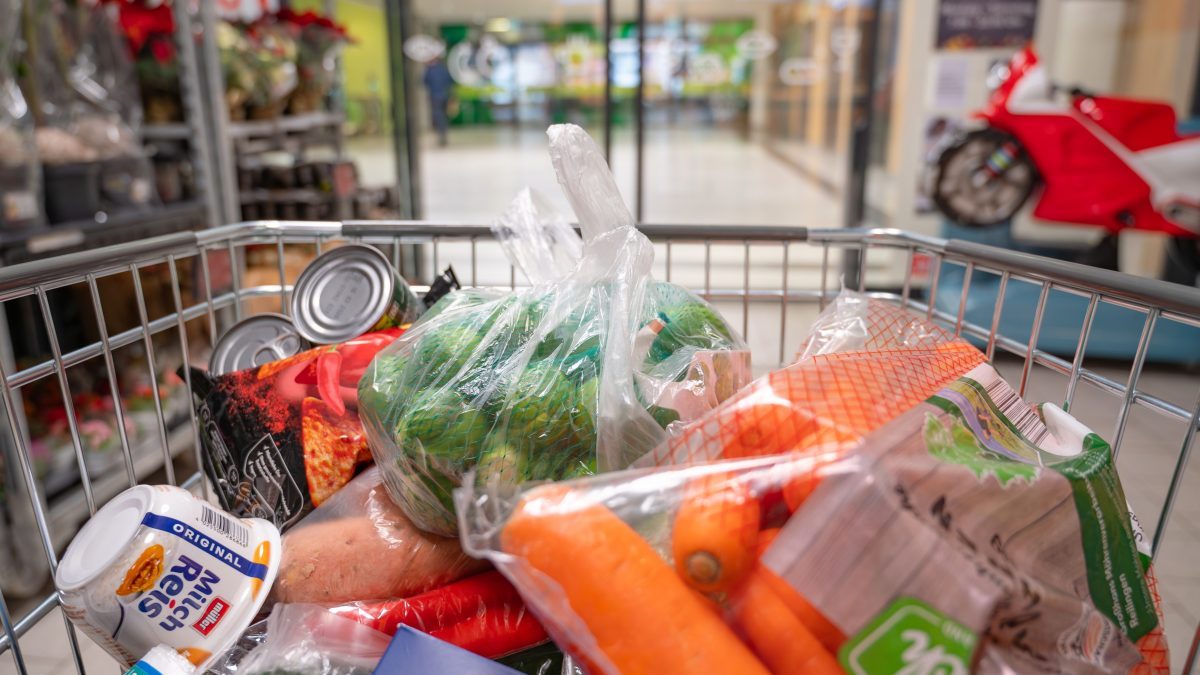
Social media often proves to be a treasure trove of creative ideas for everyday life. Among recipes and alternative ways to organize your home, the "5-4-3-2-1 method" has gone viral on TikTok: a technique that, according to users and creators, helps you shop more orderly, quickly, and in a more balanced way. Many people, in fact, find themselves filling their carts impulsively due to the lack of a simple and effective method. With this "trick," you can fill your cart with foods suitable for preparing healthy and complete meals, while also saving money. But what does it involve?
What's This 5-4-3-2-1 Shopping Method?
Many social media trends emerge but are short-lived. The 5-4-3-2-1 method, however, seems destined to endure. Its success is essentially due to its simplicity: by following this tactic, your cart will include 5 types of vegetables, 4 types of fruit, 3 sources of protein, 2 foods rich in carbohydrates, and 1 extra of your choice. This way, shopping is no longer a wasteful activity but a structured one, without sacrificing a bit of imagination or our favorite dishes. This scheme helps overcome decision-making stress by encouraging the purchase of fresh foods and avoiding superfluous products. This last aspect is by no means a given or to be underestimated: in the United States, research by the USDA and the Natural Resources Defense Council (NRDC) estimates that American households waste an average of about 400–450 grams (roughly 0.9–1 pound) of food per person per week, primarily fresh items like fruits, vegetables, and bread. Studies have identified poor meal planning, impulse purchases, and bulk promotions as some of the main drivers of household food waste, highlighting the need for better shopping habits and food management practices to reduce environmental and economic impacts.
Following the 5-4-3-2-1 scheme, here's what a balanced spending might look like:
- 5 types of vegetables: depending on the seasonality of the products, in your June cart you could put spinach, zucchini, eggplants, tomatoes and bell peppers.
- 4 varieties of fruit: pineapples, cherries, apricots and strawberries can satisfy the fruit requirement.
- 3 protein-based foods: the proteins to alternate during the week can be white or red meat, fish and eggs, with the possibility of also including plant-based alternatives.
- 2 Carbohydrates: Carbohydrates are the energy base of meals, you can opt for rice, quinoa, wholemeal pasta, bread or potatoes.
- 1 extra: the plan also allows you to add a "cheat" to your shopping cart. It's easy to choose, for example, a chocolate bar. It's important to remember, however, that this model isn't suitable for everyone. The structure doesn't take into account individual differences and specific needs. So much so that, as mentioned at the beginning, the 5-4-3-2-1 plan is neither recommended by doctors nor endorsed by nutritionists, but is simply a social media trend.
Other Trending Patterns: The 6-1 Method and The 5×3
The trend of "simplifying" grocery shopping by making it fit into a specific pattern has taken hold in various forms. In the United States, for example, the 6-1 method is very popular, and celebrity chef Will Coleman has even dedicated several articles to it. The 6-1 method is even simpler and more intuitive: 6 basic foods, 1 indulgent item. The idea is to prioritize the essential products for your daily diet, leaving only a limited amount of space for indulgent purchases. So after selecting six basic foods such as milk, eggs, fruit, or bread, you can add a product of your choice, be it ice cream, cookies, or chocolate.
The latest scheme that's becoming popular is the 5×3. The goal is always the same: reduce unnecessary purchases and get the most out of what you buy, avoiding wasting money and especially food. This method involves starting with three very versatile "basic" ingredients, such as pasta, and building five different recipes around them. This way, the same foods are truly valued. A variation of the 5×3 that has developed among users is to organize your shopping into five categories —breakfast, lunch, dinner, snacks, and supplies—purchasing only three products from each.
Ultimately, whether you choose the rigor of 5-4-3-2-1 or the flexibility of 6-1 (the two most intuitive), the true value of these trends lies in encouraging and encouraging people to adopt a healthier, more waste-reducing diet. Although they aren't scientific rules or validated nutritional models, they still represent a good starting point for improving your grocery shopping management.
;Resize,width=767;)
