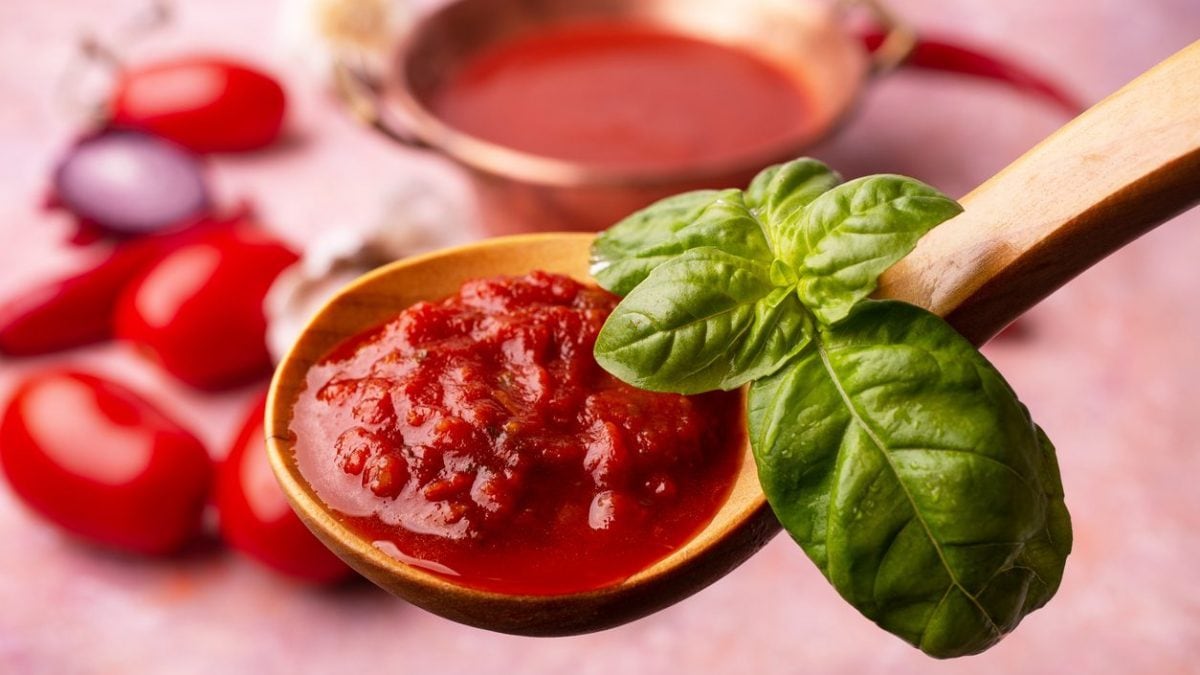
There's one scent that, more than any other, speaks of the Mediterranean summer: that of freshly picked basil. A green caress on the fingers, an aromatic explosion in the air. Yet, despite its apparent simplicity, basil is one of the most delicate aromatic herbs to handle in the kitchen, especially when used in the most classic context of all: pasta with tomato and basil sauce. A universal dish, a symbol of Italy around the world, yet far from banal to masterfully craft.
The Right Moment Makes The Difference
The question is simple: when should you add basil to tomato sauce? Anyone who thinks it should be thrown in right from the start to "infuse" it with flavor is making a common but crucial mistake. Basil, in fact, doesn't like prolonged heat: at temperatures above 122-140°F/50-60°C, it begins to lose its aromatic characteristics, developing a bitter aftertaste and fading into thin air.
It's best to add it off the heat, just before serving, so that the residual heat from the sauce enhances its flavor without spoiling it. Some even prefer to use it completely raw, directly on the dish: an excellent choice for those seeking a fresher, more immediate contrast.
A little tip: if you prefer an even more intense aroma, briefly heat the oil with a clove of garlic and a few basil leaves, then remove everything before adding the tomato sauce. This way, you've created a perfect aromatic base, to which you can add more basil, if you like.

The Art of Treating Basil
You may already know this, but you never know: basil isn't cut, it's broken. But do you really know why? The explanation is scientific: cutting the leaves with a blade, especially a blunt one, risks oxidation, the process that causes them to blacken and lose their freshness. Furthermore, a clean cut can "damage" the leaf's structure, compromising the balanced release of essential oils.
The best method? Gently pluck the leaves with your hands, choosing the youngest and most fragrant ones at the top of the plant, and tear them apart with your fingers. This way, they release their scent in the most natural and respectful way possible.

What About Pesto, Then?
The issue becomes even more serious when it comes to pesto alla genovese, the sacred temple of basil. According to tradition, it should be prepared with a mortar and pestle, not only out of respect for the recipe but for a very specific reason: to avoid heat. Blenders, in fact, generate heat with the speed of the blades, risking oxidizing the leaves and giving the pesto that unpleasant bitter aftertaste. If you absolutely can't do without the blender, there's a trick to save the flavor: chill the blades and container in the refrigerator for at least an hour before use. It's a practical and very effective solution for those who love convenience without sacrificing authentic flavor. It goes without saying that if you need to add the pesto to pasta, you should absolutely avoid heating it.
;Resize,width=767;)
