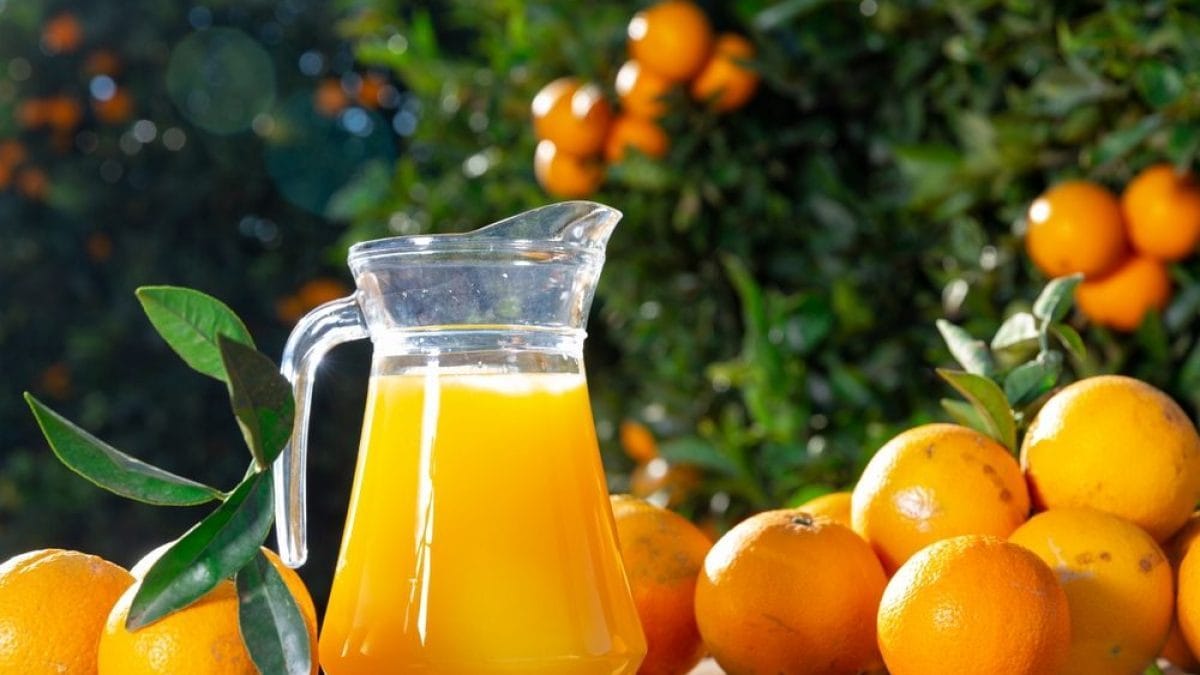
Eating a fresh orange a day is always the best choice, as it provides (almost) all the vitamin C you need and maintains a high amount of fiber, which is lost during juicing. However, freshly squeezed orange juice is a timeless classic, as Dr. Daniele Giacalone, a nutritionist, defines it. It's a refreshing drink packed with health benefits, which, especially during the cold season, becomes a natural ally for the immune system. Let's see how to make the most of it, to understand when it's truly beneficial and the most common mistakes to avoid.
What Are The Main Benefits of Orange Juice?
Freshly squeezed orange juice is a true powerhouse of well-being. Its best-known benefit is its strengthening of the immune system, thanks to its high vitamin C content, but as Giacalone emphasizes, "its properties go far beyond that." Here are the main ones:
- Antioxidant and anti-inflammatory: oranges contain flavonoids, carotenoids and vitamin A which fight free radicals and cellular aging.
- Cardiovascular health: Antioxidants also protect the heart and help regulate blood pressure, and overall, orange juice helps lower blood cholesterol.
- Digestive Support: The natural acids present in the juice can aid digestive processes.
- Hydration: Juice provides a significant amount of water, useful for those who struggle to drink properly during the day.
When Should You Drink Orange Juice and In What Quantity?
The ideal time to consume orange juice and reap all its benefits is winter, when citrus fruits are in season, preferring Italian produce, such as those from Sicily. As for quantities, a single large orange (about 200 g) can already satisfy an adult's daily requirement of vitamin C, which is around 80 mg. Generally, two to three oranges are used for a glass of juice (about 100-150 ml), which is more than sufficient as part of a varied diet. And what about the time of day? Orange juice is often associated with breakfast, but you need to be careful: “As in the case of the glass of water and lemon, it is also best to avoid this drink on an empty stomach, otherwise there is a risk of irritating the digestive system”, specifies the expert, “it can be consumed in the morning, as long as it is included in a complete meal, during an afternoon snack, and it should also be considered at lunch, as a liquid supplement instead of water”.

Common Mistakes to Avoid
Although drinking a glass of orange juice is as easy as the proverbial glass of water, there may be some actions and habits that reduce its effectiveness: the drink remains fresh and thirst-quenching, of course, but it loses some of its health benefits. According to Dr. Giacalone, the most common mistakes are the following:
- Straining it. A smooth, residue-free juice feels cleaner in the mouth, which is why many prefer it that way. This method, however, eliminates the fiber that remains after juicing (especially pectin, which is already less than that found in fresh fruit). Pectin, however, is important for regulating intestinal transit, keeping blood sugar levels under control by slowing the absorption of naturally occurring sugars, and helping reduce "bad" cholesterol.
- Not drinking it immediately. If you thought it was just an urban legend, you were wrong. The bioactive substances and vitamin C are rapidly oxidized and tend to denature quickly if the juice is exposed to air for too long. Therefore, it's best to drink it as soon as it's ready.
- Adding sugar. Juice naturally contains fructose, so it doesn't need the addition of sugar (sucrose) or honey: simple sugars are found in many foods, and the recommended daily intake is far exceeded.
The combination of freshly squeezed juice, coffee (or cappuccino), and a croissant, although a must-have, isn't actually the best option for our bodies. Caffeine, for example, inhibits the absorption of vitamin C, and the coffee + freshly squeezed juice pairing is irritating to the gastric mucosa. Nutritionally, says Giacalone: "The ideal combination is to pair it with whole-wheat bread with 100% nut spreads (hazelnuts or almonds)—instead of the sad layer of jam that's often suggested—accompanied by milk or yogurt." Finally, "freshly squeezed juice should be consumed in extreme moderation or eliminated from the diet by those suffering from gastroesophageal reflux, hiatal hernia, or acute gastritis, due to its acidic content, which can exacerbate these conditions."
;Resize,width=767;)
