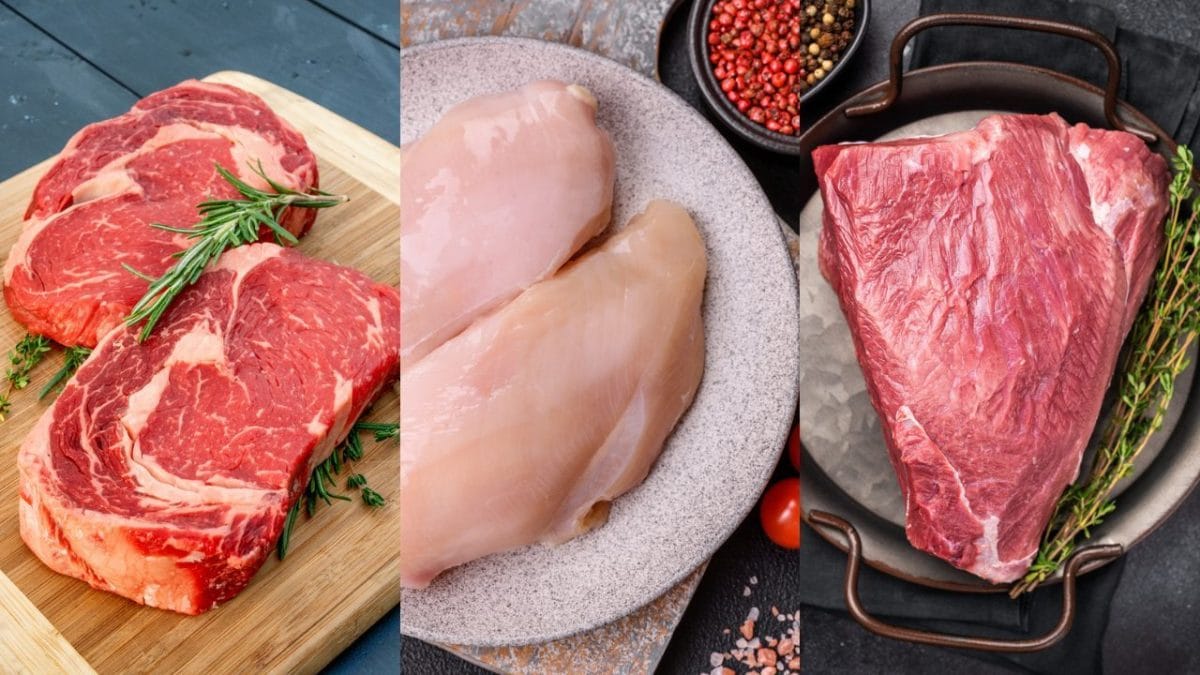
When it comes to meat, color isn't enough to understand its characteristics: the distinction between white, red, and black meats stems from a combination of gastronomic and nutritional factors, linked to the concentration of myoglobin —the protein that transports oxygen to muscle cells and determines the meat's color—and the most suitable preparation techniques. In the kitchen, this classification helps guide cooking methods, while from a nutritional standpoint, it offers valuable information on protein content, iron, and their digestibility.
White meats generally come from young animals or poultry such as chicken, turkey, and rabbit; red meats come from adult cattle, horses, and pigs; and black meats include game, which is darker and has a bolder flavor. Let's explore their differences, nutritional characteristics, and how to best enhance them in the kitchen.
White Meats' Characteristics
From a gastronomic point of view, white meats include those from young cattle (such as veal and beef), young sheep and goats (lamb and kid), pork, chicken, turkey, rabbit, and goose. They are characterized by a low concentration of myoglobin, which gives them a light color and a more tender texture.
Thanks to the presence of underdeveloped muscle fibers and a reduced connective tissue content, they are easy to digest and suitable for any type of cooking, as long as it is always thorough (never "rare"). They are perfect for roasting, pan-frying or baking, but also for light preparations such as boiling or steaming.
Nutritionally, white meats are rich in high-biological-value proteins, contain less saturated fat and cholesterol than red meats, and are therefore considered lighter. They also offer a good supply of B vitamins and minerals such as phosphorus, magnesium, and potassium.

Red Meats' Characteristics
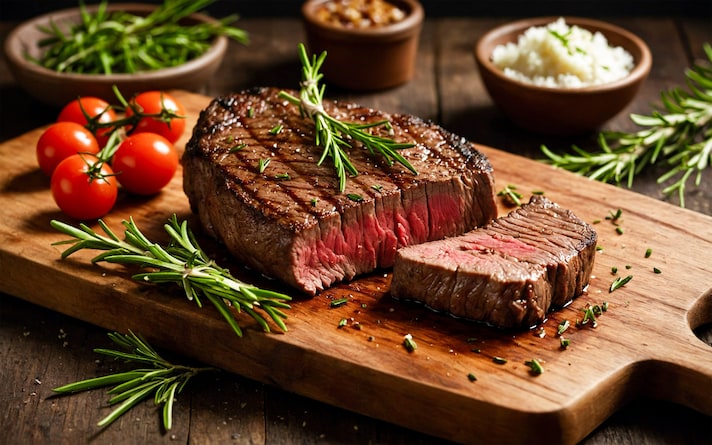
Red meats, darker in color due to their high myoglobin content, come primarily from adult cattle, horses, sheep, and goats, but also include pigs, geese, ducks, and large flightless birds such as ostriches and emus. From a culinary standpoint, they lend themselves well to medium-short cooking to maintain their tenderness and juiciness: roasts, grills, and steaks should remain slightly pink at the center.
They are among the most valuable protein sources and provide an excellent supply of heme iron, easily absorbed by the body, as well as vitamin B12, essential for the formation of red blood cells. Red meats are slightly higher in calories and fat, with a higher amount of saturated fat, but they also offer a significant unsaturated fatty acid profile, especially in the leaner cuts.
Pork is a special case: although it's classified as "white" in cooking, it's considered red from a nutritional standpoint due to its higher concentration of myoglobin. It should therefore be treated as such when cooked: overcooking it risks making it tough and stringy.
Black Meats' Characteristics
Less common on our tables but much loved by enthusiasts, black meats belong to the game category, especially furred ones: wild boar, roe deer, chamois and the like. They have an intense, dark color, are rich in aromas and have a tougher consistency, due to the greater muscular activity of wild animals.
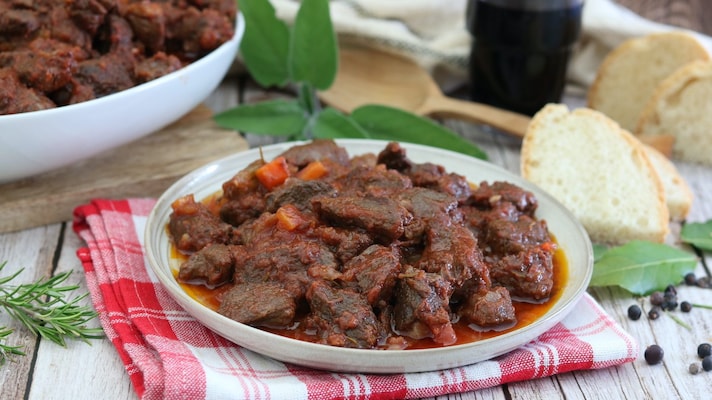
Because of these characteristics, they thrive in long, slow cooking methods such as braising, stewing, and juicing, which soften the fibers and intensify the aromas. Some cuts of young animals, such as racks and chops, can be baked or grilled, but always left slightly rare.
Nutritionally, black meats are very rich in iron and protein, with a generally favorable lipid profile. Their bold flavor makes them the star of rustic and traditional dishes, often paired with full-bodied red wines and aromatic sauces.
Gastronomic and Nutritional Classifications' Differences
When talking about white, red and black meat, it is important to distinguish between two different approaches: the gastronomic one and the nutritional one.
The gastronomic classification is the most "practical" and ancient: it is based on culinary observations, linked to the consistency of the fibers, the tenderness of the meat and above all the most suitable cooking techniques. According to this logic, white meats include poultry, veal, pork and young animals, ideal for thorough and delicate cooking; red meats include adult cattle, horse and duck, to be served slightly pink; while black meats, such as game, require long and intense preparation. This classification has no real scientific basis, but is still used in the restaurant industry to guide the choice of cooking methods.
Nutritional classification, however, is more recent and based on scientific criteria: the main parameter is the concentration of myoglobin in the muscles. As this protein increases, the color becomes more intense and the meat falls into the red category. This is why pork, considered white in cooking, is instead classified as red meat from a nutritional standpoint, as are duck, goose, and ostrich. Similarly, veal, although similar to adult cattle, has a lower myoglobin content and a lighter color.
This distinction is also useful for understanding the different nutritional properties: white meats are generally leaner and more digestible, while red meats provide more heme iron and vitamin B12. Finally, black meats are richer in aromas and proteins, but also tougher and require specific cooking techniques.
;Resize,width=767;)
