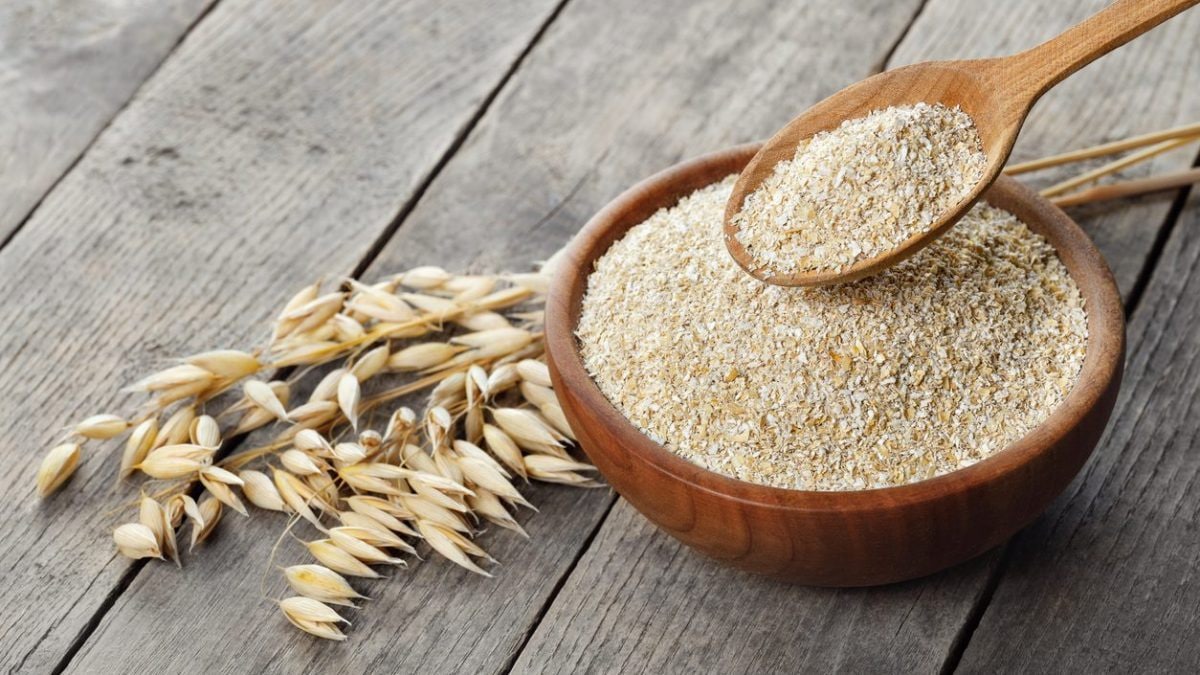
Bran is a fairly ancient product, but only in recent years has it begun to be re-evaluated, even becoming a highly recommended addition to the everyday diet. Bran, in fact, is the fibrous covering of cereal grains and is obtained during the milling process, when it is separated from the grains to produce flour. It is effectively a waste product, the result of the refining process, which is why it was long overlooked: it was generally used as livestock feed and only as the main ingredient in animal feed.
Everything changed in the 1970s, when several scientific studies focused on bran and discovered its immense potential for human nutrition. Besides its pleasant flavor, especially when mixed with other ingredients, bran is also beneficial for our bodies: rich in fiber, it is a huge aid in supporting the gastrointestinal tract. Its benefits, however, go beyond this, thanks to its truly remarkable nutritional profile, which also features numerous mineral salts. As with fruit, most of the nutrients in grains are contained precisely in the husks that are removed from white flours.
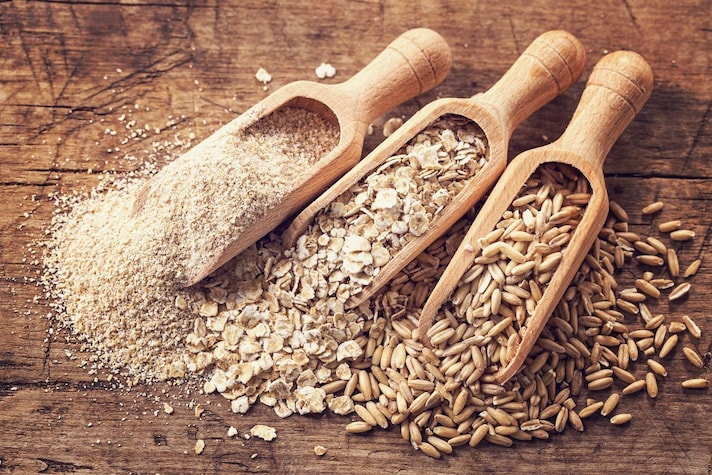
The most common and nutritionally recommended bran is oat bran, which is also the most pleasant in terms of flavor and aroma, but it is actually obtained from many types of cereals (it can be found in wheat, rice, even spelt and barley). In all cases, it comes in the form of small flakes composed primarily of the tissues between the outer layer of the seed, called the caryopsis, and the innermost layer, the heart of the cereal, and can be used in the kitchen in many recipes. What is bran good for, how can you best include it in your diet, and what contraindications should you watch out for? Here's everything you need to know.
Bran's Properties and Benefits
Bran is a staple in the diets of those who care about their health and figure. The reason is easily found in its impressive nutritional profile: it's one of the foods with the highest amount of insoluble fiber (especially wheat fiber), is rich in minerals, particularly sodium, iron, calcium, zinc, phosphorus, and magnesium, and also contains some vitamins, such as B3. Whether wheat, barley, or oats, bran contains no cholesterol, while containing few soluble sugars and lipids. It's very low in water (just 8 grams) and has a decent number of calories (about 206 per 100 grams), so it shouldn't be consumed in excess. What are the benefits of this nutrient-dense product? Here are all the benefits of bran.
1. Improved Gastrointestinal Function
Bran's best-known property is its ability to significantly improve the functioning of the entire gastrointestinal tract, thanks to its high fiber content. Consuming it regularly and in the recommended amounts helps facilitate intestinal transit, stimulates colon function, naturally treats conditions caused by irritable bowel syndrome or chronic constipation, and protects the stomach, also helping prevent various digestive tract diseases.
2. Helps Regulate Cholesterol
Bran can be a valuable aid in reducing bad cholesterol in the blood and therefore reducing the risk of heart disease. Fiber inhibits carbohydrate absorption, moderating the assimilation of sugars into the blood and, at the same time, promoting their elimination through the stool. Furthermore, bran contains a substance called phytosterol, which can help absorb bad cholesterol.
3. Helps Reduce Blood Sugar Levels
Bran itself has a low glycemic index, but thanks to its composition, it can also slow the intestinal absorption of sugars ingested with food, thus leading to control and a reduction in the glycemic curve. Precisely for this reason, when prescribed by a doctor, bran can become a useful element in the diet of those suffering from diabetes.
4. Supports Weight Loss Process
Bran isn't exactly low in calories, but when consumed in the right amounts, it can significantly help manage weight and aid in weight loss. This is because the insoluble bran fibers absorb larger amounts of water and, upon contact with the intestinal flora, swell, producing a satiating effect. Therefore, a very small amount is enough to feel full, making it very useful in diets for feeling full on a small amount and without having to seek out other foods.
5. It's a Natural Energizer
Bran is famous for its fiber, but it's also a source of important nutrients like B vitamins, magnesium, iron, and zinc. This makes it a natural energy booster that can help you fight tiredness and fatigue if consumed regularly.
6. Useful for Cosmetic Treatments
Bran is beneficial for your body not only internally, but also externally: its remarkable nutrient content makes it a valuable cosmetic aid, especially for the skin. If you want to create a natural treatment to combat dry skin and soothe redness, as well as slow down skin aging, you can use bran flakes to make a gentle scrub, or you can use it in powder form to make a paste that can be applied as a face mask.
Bran's Contraindications
Including bran in your diet can be a valuable aid in many ways, but be careful with the quantities: since it is a highly concentrated food, it should be consumed in moderation, no more than 20 grams per day (a couple of tablespoons). Excessive bran consumption triggers the opposite effect and worsens gastrointestinal problems, particularly gas production, bloating, meteorism, and flatulence. Excessive bran consumption can also lead to malabsorption of various vitamins and minerals, including calcium, iron, and zinc. Therefore, it is not recommended for those who already suffer from these deficiencies and for those with osteoporosis and osteopenia.
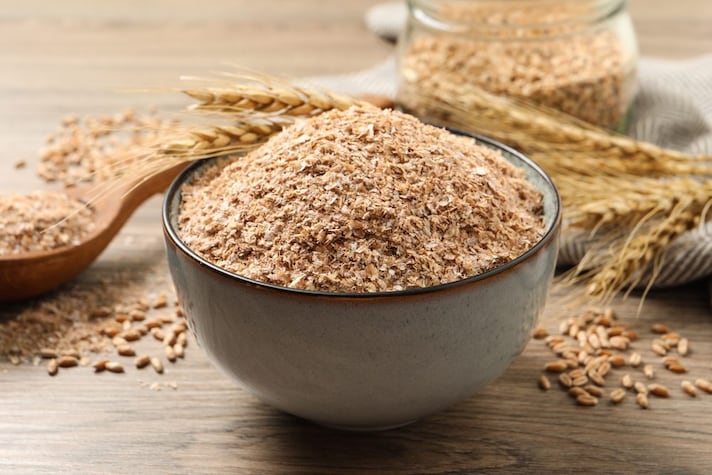
Be careful with bran if you have celiac disease or gluten intolerance, as many types of bran (wheat, spelt, rye, etc.) contain gluten. In this case, be sure to choose bran made from naturally gluten-free grains. It's best to consult your doctor if you're taking any medications, as bran may interfere with the metabolism of some oral medications. Once they reach the intestine, they're trapped by dietary fiber, meaning they're absorbed more slowly, reducing their therapeutic efficacy.
How to Use Bran in Cooking
Despite being a poor food and a waste product, bran is very useful in the kitchen and also particularly versatile thanks to its rather "neutral" flavor. A great classic is to use it in addition to yogurt, milk, or other plant-based drinks; in fact, it is the fundamental component of a great English breakfast classic, porridge, which, thanks to the bran combined with hot milk, creates a delicious cream to be garnished with honey, fresh fruit, or chocolate chips; this recipe is also excellent in its cold, no-cook version, called overnight oats.
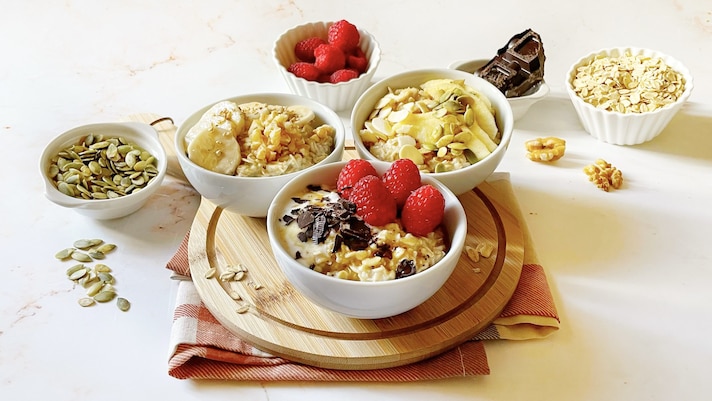
Bran is widely used in baking; you can use it to make practically anything, from muffins to pancakes, from crepes to delicious biscuits, but also a simple and wholesome granola and tasty homemade protein bars. Although its use in sweet recipes is more common, bran also lends itself very well to many savory recipes: you can use it to knead bread and focaccia, you can use it to make delicious rustic pies, you can even add it to sauces, soups and smoothies to give them more consistency.
;Resize,width=767;)
