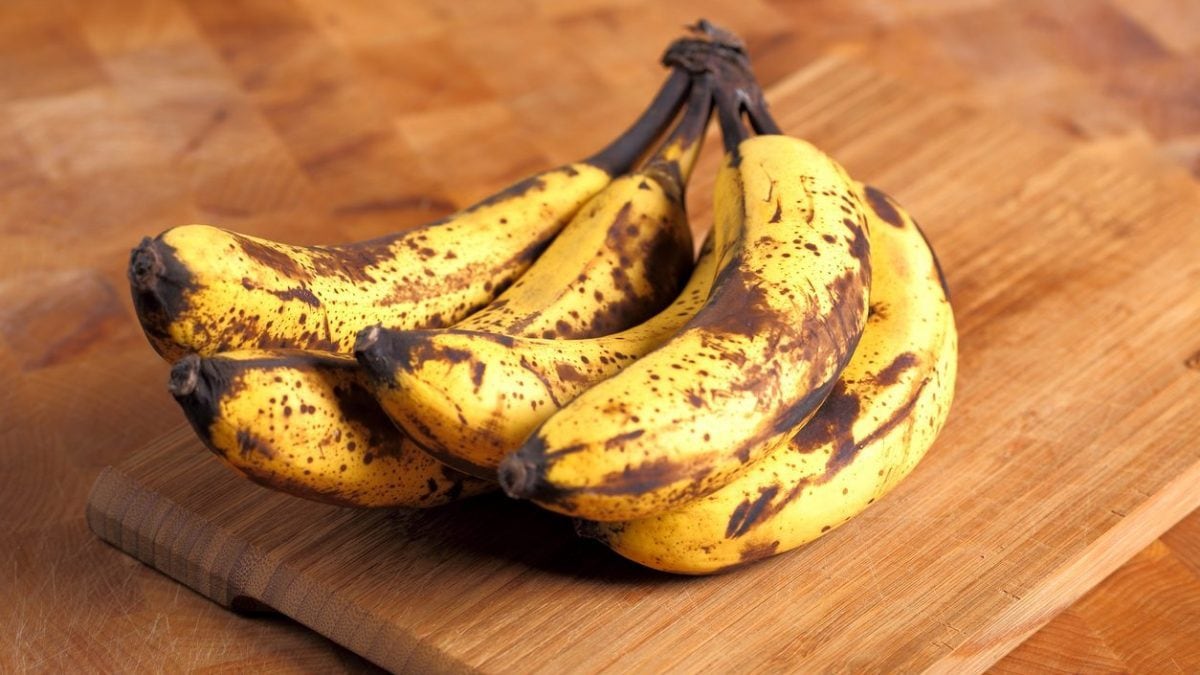
Bananas are one of the most popular fruits globally: available practically year-round, they're convenient to transport, easy to peel, and ideal for a quick, energizing snack. However, we've all bought them while they're still a little unripe and found, after just two or three days, already covered in dark spots and too soft to be eaten plain, thus diverting them to the preparation of delicious desserts. This rapid ripening makes them more prone to spoilage than other fruits, and in some cases, you don't even have time to make a delicious banana bread, resulting in waste. What exactly causes this accelerated ripening in bananas? Let's clarify.
Why Do Bananas Turn Black and Soft?
The main cause of their rapid ripening is physiological: they are, in fact, climacteric fruits, meaning they can continue their development even after harvesting. Unlike non-climacteric varieties, such as citrus fruits, grapes, and cherries, which tend to stabilize once detached from the plant without undergoing any further substantial changes, bananas actively continue their internal evolution. This process is regulated by the production of ethylene, a gaseous plant hormone that stimulates and coordinates a series of biochemical reactions. Among fruits, bananas are one of the most prolific sources of this substance. How does it work? It converts the starches present in the pulp into simple sugars, imparting sweetness and an increasingly soft texture. At the same time, it alters the color of the peel, causing the appearance of small brown spots and then progressive blackening. Furthermore, bananas are also extremely reactive to the presence of ethylene in the environment: for example, placing them next to other climacteric fruits (such as apples, kiwis, or avocados) increases ripening even more.
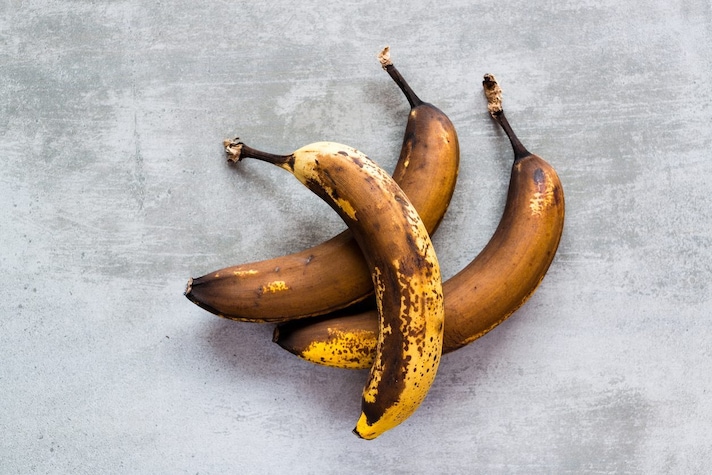
Transportation methods also need to be considered: often coming from far away, from tropical areas where they grow throughout the year, bananas are harvested while still green (the color is provided by chlorophyll, which regulates the photosynthesis processes that keep the plant alive), therefore unripe, with a rather tart taste. They are then refrigerated (from 51°F/11°C to 55°F/13°C) to ensure safe transport. Once they reach their destination, they are deliberately subjected to ethylene gas to reactivate the ripening process, which begins abruptly: this moment coincides with when they reach consumers. Selling the fruit in bunches, with the fruit in close contact, would also favor a higher concentration of the gas, helping to accelerate the process.
For this reason, preserving bananas at home is easier said than done. The advice is to buy them according to your needs: already pimpled are perfect for eating immediately, while if you want them to last longer, pick them when they are yellow with the tips still green, separating them from each other and keeping them out of the refrigerator.
;Resize,width=767;)
