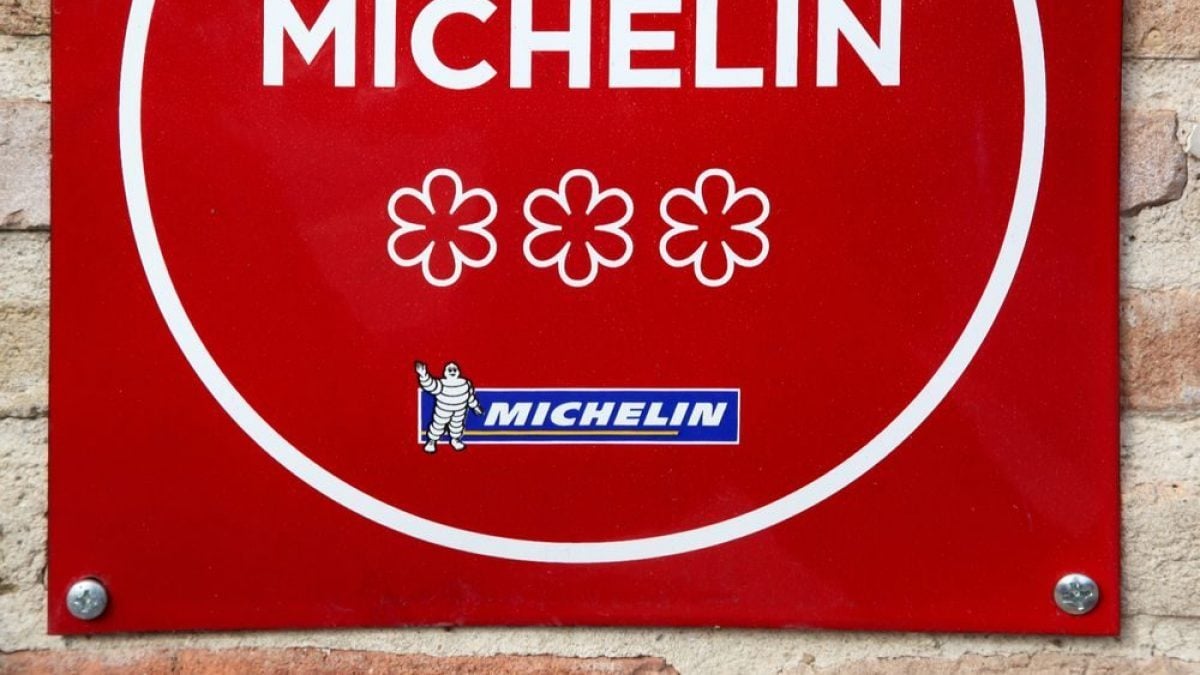
"One, two, three: star!" This phrase, reminiscent of one of childhood's most beloved games, is a perfect introduction to the world of Michelin stars, symbols that not only represent culinary excellence, but also shape tastes, dictate trends, and can transform a restaurant's destiny. Michelin stars aren't just awards: the French guide is so powerful because these prizes have the power to influence diners' choices, enhance a restaurant's reputation, and increase visitor traffic. Translated simply? Michelin brings in money, despite everything people say about the fine dining "crisis." Statistically speaking, stars bring in huge revenues for the establishments that receive them. The world's most renowned gastronomic guide's famous macarons are synonymous with quality food and service, a true guarantee for those seeking the best in culinary art. The U.S. has 14 three-starred restaurants, the latest of which was awarded at the California 2025 ceremony: Somni, in West Hollywood. But what do Michelin stars really mean? And what are the differences between one, two, or three stars? To understand, we need to go back in time to the origins of the Michelin Guide, which has its roots in the world of travel.
The Origins of The Michelin Guide
The story begins in France, in 1889, when brothers André and Édouard Michelin founded a tire factory. At the time, automobiles were rare: there were barely 3,000 on the road in the country. Aiming to promote the use of their tires, the brothers created a free guide to distribute to customers. This small manual contained useful information for travelers, such as the addresses of train stations, mechanics, gas stations, and Michelin-affiliated tire dealers. The idea was simple: to encourage people to travel by car, wear out their tires, and, of course, buy new ones. This effort was supported by the quality of the tires and the roads: at the time, tires were much more fragile than today, and the roads were all in terrible condition, which contributed to flat tires. The more travelers were encouraged to travel around France, the more their revenue opportunities increased exponentially (and concretely).
Over the years, the guide was enriched with a new section dedicated to restaurants, to help travelers find the best places to eat. Thus, the marriage between travel and gastronomy was born, with the aim of encouraging readers to embark on new culinary journeys.
The Meaning of Michelin Stars
The first stars appeared in 1926, awarded to deserving restaurants. Five years later, in 1931, the three-level classification we know today was introduced. The meaning of the stars has remained unchanged over time:
- One star: indicates a restaurant worth a stop during your trip.
- Two stars: indicates a place worth going out of your way for.
- Three stars: This is the highest recognition, reserved for restaurants that justify a special trip to enjoy a unique gastronomic experience.
Three Michelin stars are therefore a symbol of absolute excellence, a certification of quality that few restaurants in the world can boast. The guide, with its rating system, has become a reference for those who wish to discover the best restaurants on the planet and embark on a journey of taste.
U.S. Restaurants With 3 Michelin Stars
The pinnacle of fine dining in the United States underwent a historic and highly scrutinized restructuring. In a series of dramatic shakeups by anonymous Michelin inspectors, the old guard faced unexpected downgrades, stripping three-star status from longtime legends like Alinea in Chicago, Masa in New York City, and The Inn at Little Washington in Virginia. However, as the dust settled, a triumphant new wave of culinary theater took their place.
The United States boasts exactly 14 elite establishments holding the coveted three-star distinction, with the West Coast firmly cementing its position as the nation's premier gastronomic powerhouse.
California (8 Restaurants)
- Addison (San Diego) — Chef William Bradley’s stunning Southern California masterpiece that seamlessly blends global influences with local artisanal terroir.
- Atelier Crenn (San Francisco) — Dominique Crenn’s deeply poetic, visually breathtaking French-inspired modern artistry.
- Benu (San Francisco) — Corey Lee’s technically flawless, highly innovative tasting menu that bridges contemporary American dining with distinct Asian flavors.
- Providence (Los Angeles) — Michael Cimarusti’s absolute temple of sustainable seafood, celebrated for its unmatched precision and ocean-to-table ethics.
- Quince (San Francisco) — Michael Tusk’s elegant, fresh intersection of contemporary Northern Californian bounty and refined Italian legacy.
- SingleThread (Healdsburg) — Kyle Connaughton’s immersive, hyper-seasonal Japanese-inspired farm-to-table destination nestled in the heart of Sonoma wine country.
- Somni (West Hollywood) — Aitor Zabala’s mind-bending, theatrical multi-sensory culinary counter that returned to the scene to capture ultimate culinary glory.
- The French Laundry (Yountville) — Thomas Keller’s iconic Napa Valley landmark, which continues to serve as the timeless foundation of American haute cuisine.
New York (5 Restaurants)
- Eleven Madison Park (New York City) — Daniel Humm’s daring, entirely plant-based fine dining ecosystem that completely redefined luxury vegan gastronomy.
- Jungsik (New York City) — Jungsik Yim’s groundbreaking, ultra-refined destination that pioneered the global movement of modern Korean fine dining.
- Le Bernardin (New York City) — Éric Ripert’s legendary, pristine seafood institution, maintaining one of the longest-running, most consistent three-star streaks in history.
- Per Se (New York City) — Thomas Keller’s opulent Manhattan crown jewel, offering spectacular views of Central Park paired with classic, ultra-luxurious French-American tasting menus.
- Sushi Sho (New York City) — Chef Keiji Nakazawa’s elite, 10-seat Edomae-style omakase marvel that recently skyrocketed to the top tier by mastering ancient fermentation and fish-aging techniques.
Illinois (1 Restaurant)
- Smyth (Chicago) — John Shields and Karen Urie Shields’ wildly creative, soulful contemporary journey in the West Loop, paying homage to the rustic farm fresh components of Virginia through an avant-garde lens.
;Resize,width=767;)
