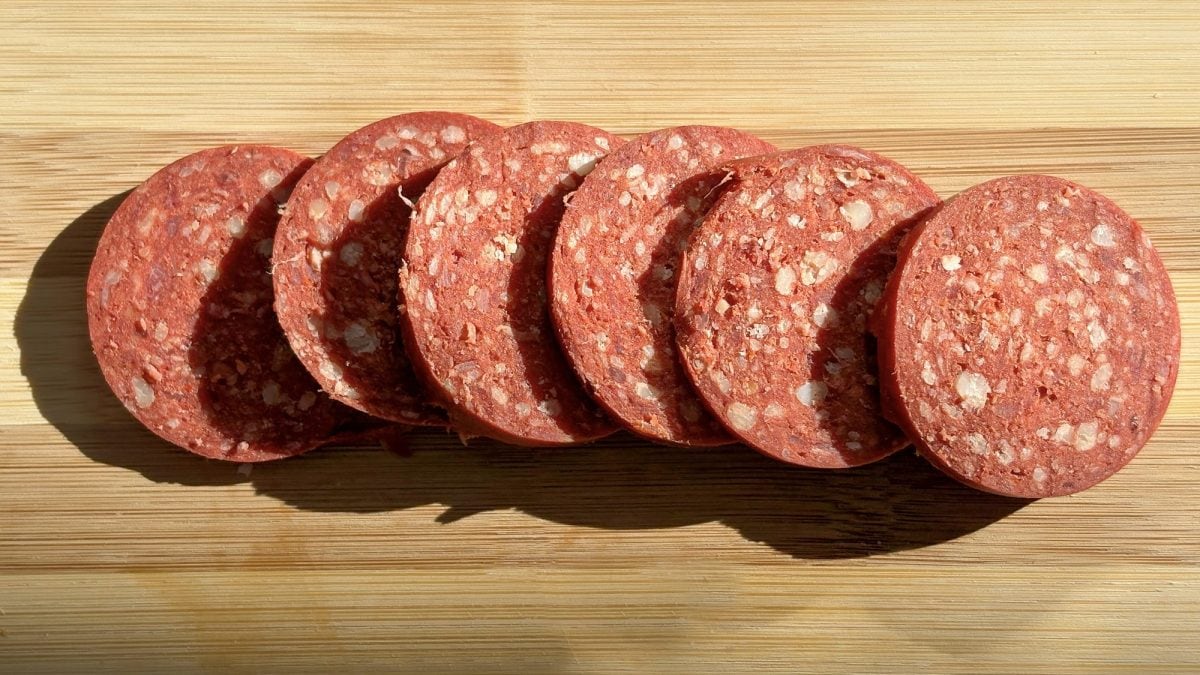
You’ve probably noticed that not all salami and pepperoni require refrigeration — and it can be a little puzzling. After all, these cured meats look and taste like the kind that should be kept cool, right? But the truth is, certain types of salami and pepperoni are made in a way that allows them to be safely stored at room temperature for some time. Here's why.
The Magic of Curing and Drying
The reason some salami and pepperoni don’t need refrigeration comes down to the drying and curing process. These meats are typically fermented, which reduces moisture and makes it harder for bacteria to thrive. Curing involves the use of salt, nitrates, and sometimes sugar to preserve the meat, while drying helps to further remove moisture, making it inhospitable to harmful microorganisms.
This preservation technique has been used for centuries, long before refrigerators were common in households. When made properly, these cured meats are safe to store at room temperature, as long as they’re kept in a cool, dry place. Shelf-stable salami or pepperoni is often wrapped in a protective casing, which helps keep out oxygen and bacteria while maintaining the flavor.

The Role of Packaging
Another key factor is packaging. Many commercially available salami and pepperoni are vacuum-sealed, which helps to lock in freshness and prevents oxygen from causing spoilage. This type of packaging also contributes to the shelf stability of these meats, allowing them to be stored safely on the shelf without refrigeration.
Additionally, some salami and pepperoni varieties are smoked or heat-treated, which further enhances their ability to last without refrigeration. Smoked meats, for example, have a longer shelf life due to the preservation effects of smoke. These meats can often stay on the counter for days or even weeks without compromising safety.
Not All Salami and Pepperoni Are the Same
It's important to note that not all salami and pepperoni can be stored at room temperature. Fresh salami, which hasn’t been dried or cured, needs to be refrigerated to prevent spoilage. The same goes for some pepperoni sticks that have not undergone the same level of preservation. Always check the packaging or label for storage instructions, as refrigeration is still necessary for many types of cured meats.
;Resize,width=767;)
