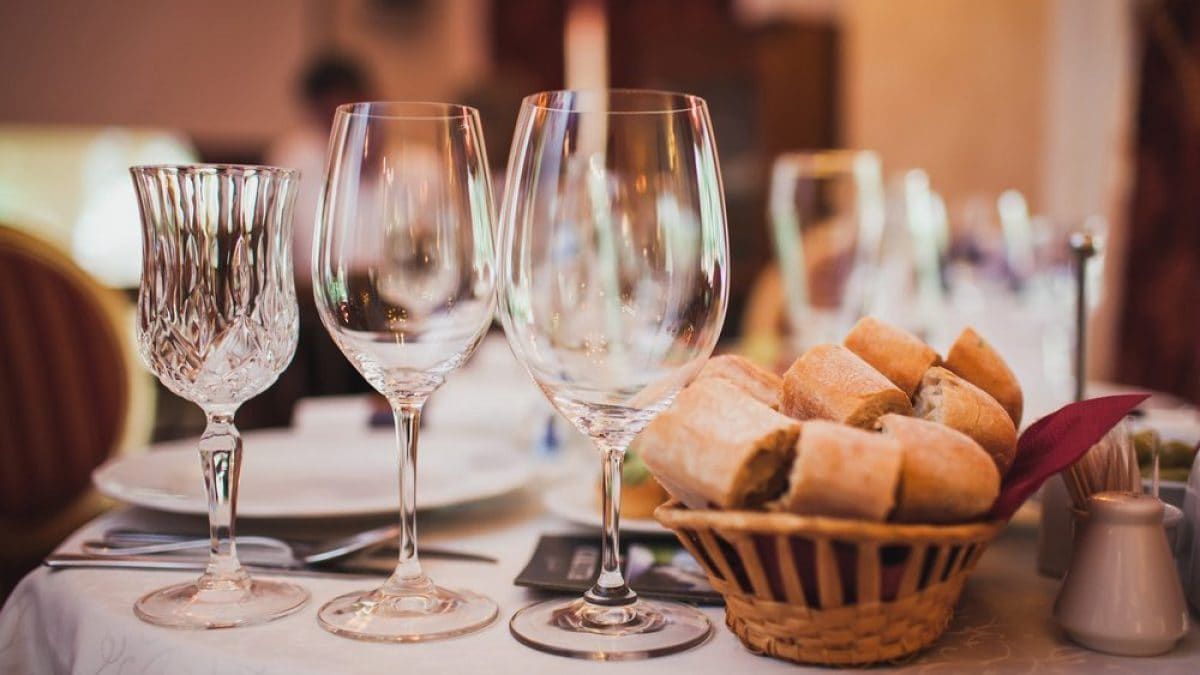
When you sit down at a restaurant, the first thing waiters do is bring a bread basket, followed immediately by the drinks, which they ask for before you even choose your meal. It's clear that this is immediately perceived as a sign of friendliness, a way to establish the establishment's level of hospitality and, if the baked goods are homemade, also to showcase the kitchen's skills. These are certainly all valid reasons, but they're not the real reason why the bread basket appears almost immediately.
A famous American neuroscientist, Daniel Amen, explained it: according to him, this choice has a very specific function: to make you order more dishes. How is this possible? It seems that eating bread while you're still choosing what to eat stimulates the brain's frontal lobe, triggering a sugar spike that increases the desire to order more.
Why Bread (And Alcohol) Make You Order More Dishes
In a video posted on neurolab_'s TikTok profile, which has racked up nearly two million views, Amen explains why bread triggers this effect in us and how it's not just bread, but also wine, that stimulates us: "When you go to a restaurant, the first thing they do is bring bread to the table and ask you if you want alcohol, because both act on the frontal lobe. And both make you more likely to order more and spend more money at the restaurant."
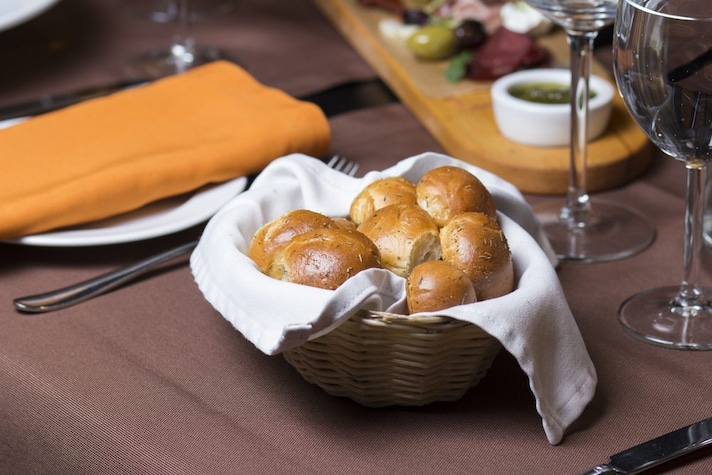
The frontal lobe is, in fact, the part of the human brain involved in all types of higher-order functions: such as planning, problem solving, motivation, judgment, social behavior, and impulse control. In this case, the sugars present in bread and wine create a blood sugar spike that stimulates the production of serotonin, the so-called feel-good hormone, resulting in us being happier and more satisfied and, consequently, more likely to eat more.
According to the neuroscientist, happy customers are encouraged to order more food, thus paying a higher bill because they are encouraged to order more dishes. For this very reason, Amen also suggests that restaurants shouldn't charge for bread, a practice that isn't yet widespread, as some still add it to the bill. According to Amen, restaurateurs should view it as an investment, because they are sure that by teasing customers with the basket, they will end up spending more money.
;Resize,width=767;)
