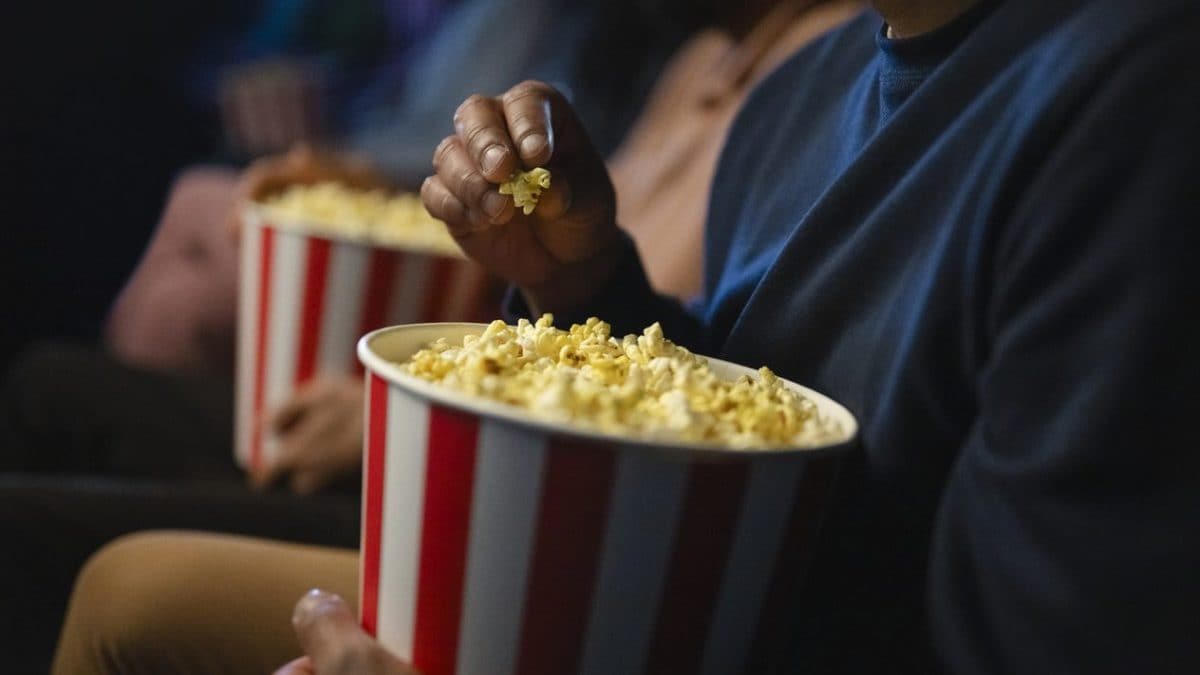
Whether winter or summer, going to the movies remains one of the most popular pastimes, especially if you can munch on a bag of popcorn during the screening. It's a gesture so common it seems automatic: before entering the theater, far more viewers stop at the snack counter than head straight for their seats. A habit that isn't limited to the big screen, but also continues at home, in front of the television. Why has popcorn become the quintessential moviegoing staple?
The Fascinating History of Popcorn
Before delving into our in-depth analysis and discovering how popcorn became the quintessential comfort food enjoyed at the movies, it's important to explore its history. To do so, we need to go back many, many years to the pre-Columbian populations of the Americas. They discovered that when exposed to heat, certain corn kernels could pop. Popcorn actually means "popping corn," but before we get to the American etymology, we need to wait a little longer. Among the populations of Central America, this type of grain (Everta), in addition to having a symbolic value, was also used in rituals and religious ceremonies.

With the arrival of Europeans after the discovery of the New World, corn and its varieties gradually spread throughout Europe. However, it was the United States that, between the 19th and 20th centuries, succeeded in transforming popping corn into a popular snack, the most popular in the world. This was because watching them "popping" was fun, a product that could easily be sold on the street, and, above all, they were inexpensive.
When Eating in The Theater Was Rude
Between the late nineteenth and early twentieth centuries, cinemas in America increasingly sought to resemble theaters: elegant places, designed for a bourgeois audience, where eating inside was considered noisy and impolite. In 1885, Charles Cretors, an American entrepreneur, patented the steam-powered popcorn machine, which made production easier and faster. Cretors began placing his machines outside movie theaters, which were becoming increasingly popular at the time. Customers, waiting for the film to start, would buy them to while away the time.

The turning point came with the Great Depression, a period that historically begins with the famous "Black Thursday" of 1929, the crash of the Wall Street stock market. This decade saw the United States face a serious economic and financial crisis that shook the global economy and had severe repercussions for years to come.
Since theater owners made it a matter of decorum and cleanliness, popcorn wasn't allowed inside the theaters. However, street vendors, thanks to Cretors' machine, began to make a very good profit, and theater owners realized they were losing significant revenue. At that point, they decided to bring popcorn into the theaters. But popcorn was incredibly cheap, and people could afford it, and it became clear that the profit margin on snacks actually exceeded that of tickets. From that moment on, the fate of movies shown on the big screen and popcorn became definitively intertwined.
A Perfect Snack for The Screen
But why do we eat them in front of the screen? Basically, because they're light, tasty, eaten with your hands, don't require cutlery, and allow you to eat without almost ever taking your eyes off the screen. At that point, the sound of popping and chewing becomes part of the theater's soundscape, almost invisible because it's shared by everyone. A habit that, over the years, has also spread. How many times have you found yourself at home watching a movie and prepared a bag of popcorn to eat during the film? In fact, everything changed with the arrival of the microwave, where the small, popping corn went from being an "event snack" to an everyday staple for home viewing.

Today, movie theaters offer everything from nachos to gourmet menus. Yet popcorn remains, a silent protagonist of every screening. Not just because it's delicious or affordable, but because it tells a story of economic crises, social change, and a cinema that, from an elitist venue, has become truly popular, just like them.
;Resize,width=767;)
