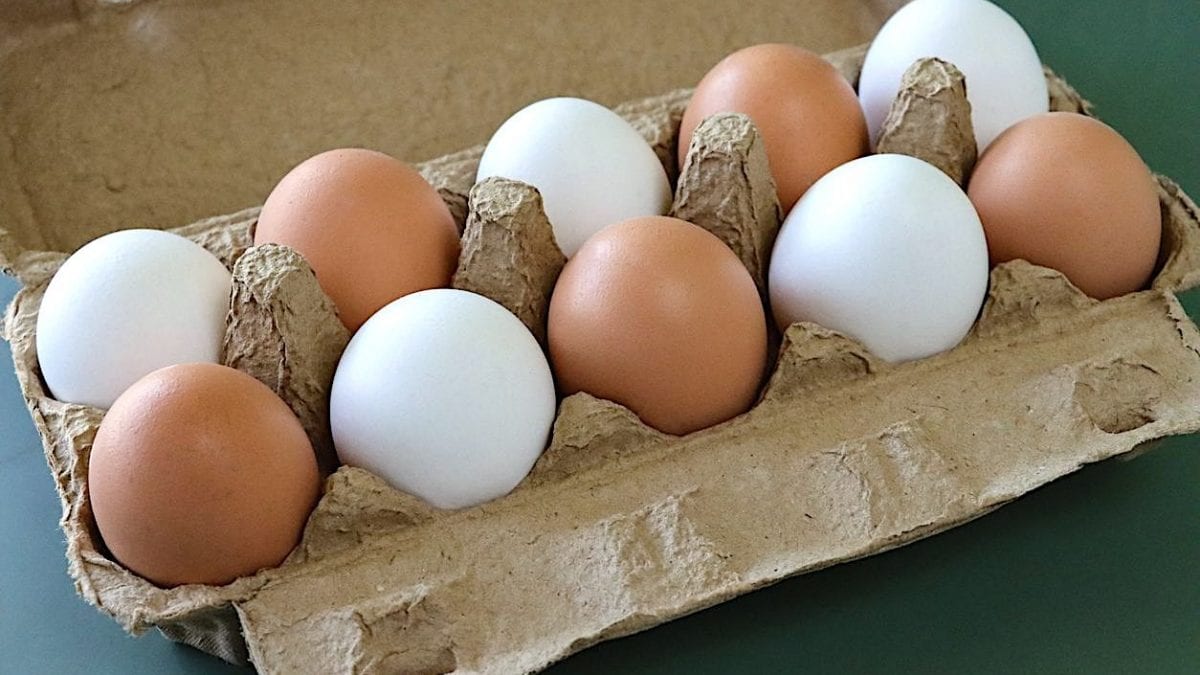
After enduring record-breaking grocery bills throughout 2025, American shoppers and holiday bakers are seeing dramatic relief in the dairy aisle as egg prices remain sharply lower heading into the 2026 holiday season.
Following a historic surge that pushed average retail prices to $6.23 per dozen in March 2025, national prices have plunged by more than 60 percent. According to Bureau of Labor Statistics data, retail Grade A large eggs dropped as low as $2.14 per dozen in June 2026 and hovered near $2.27 by late summer. Meanwhile, the U.S. Department of Agriculture's October Food Price Outlook projects overall retail egg prices to finish 2026 down 29.3 percent compared with 2025, with wholesale loose shell eggs trading below $1.00 per dozen in early November.
Aggressive Flock Rebuilding And Fewer Bird Flu Outbreaks Drive Supply
The primary engine behind the steep price drop is a massive recovery in domestic supply after years of bird flu disruptions. Throughout 2024 and 2025, Highly Pathogenic Avian Influenza decimated tens of millions of laying hens, triggering severe shortages. In response, commercial poultry producers aggressively restocked barns, rebuilding the national table-egg flock to roughly 309 million birds by early 2026. With avian influenza detections dropping sharply during the spring and summer of 2026, egg production outpaced national consumption, creating a substantial market surplus.

Small Farm Growth And Shifting Buyer Habits Reinforce Market Surplus
Beyond flock recovery, structural shifts across the poultry industry have added even more volume to the supply chain. According to analysis from the American Egg Board, modern laying hens produce more eggs per bird than a decade ago, while newly expanded barns and smaller independent farms—accounting for over 84 percent of new egg farm registrations in 2025—have steadily increased output. Elevated egg imports and lingering consumer habits formed during last year's price spikes, including industrial and foodservice buyers shifting toward liquid egg substitutes, have kept retail demand from absorbing the excess inventory.
Wholesale Price Slump Delivers Holiday Grocery Bargains For Shoppers
This supply-heavy market has compressed profit margins for farmers while creating deep bargains for Thanksgiving shoppers. With wholesale prices frequently dipping below estimated production costs of roughly 79 cents per dozen, grocery chains have ramped up promotional discounts, featuring conventional caged eggs for an average of $1.30 per dozen in early November 2026 according to USDA market reports. While seasonal autumn bird flu cases remain a risk factor for regional supply, the broader inventory cushion is keeping holiday baking staples affordable across the country.

