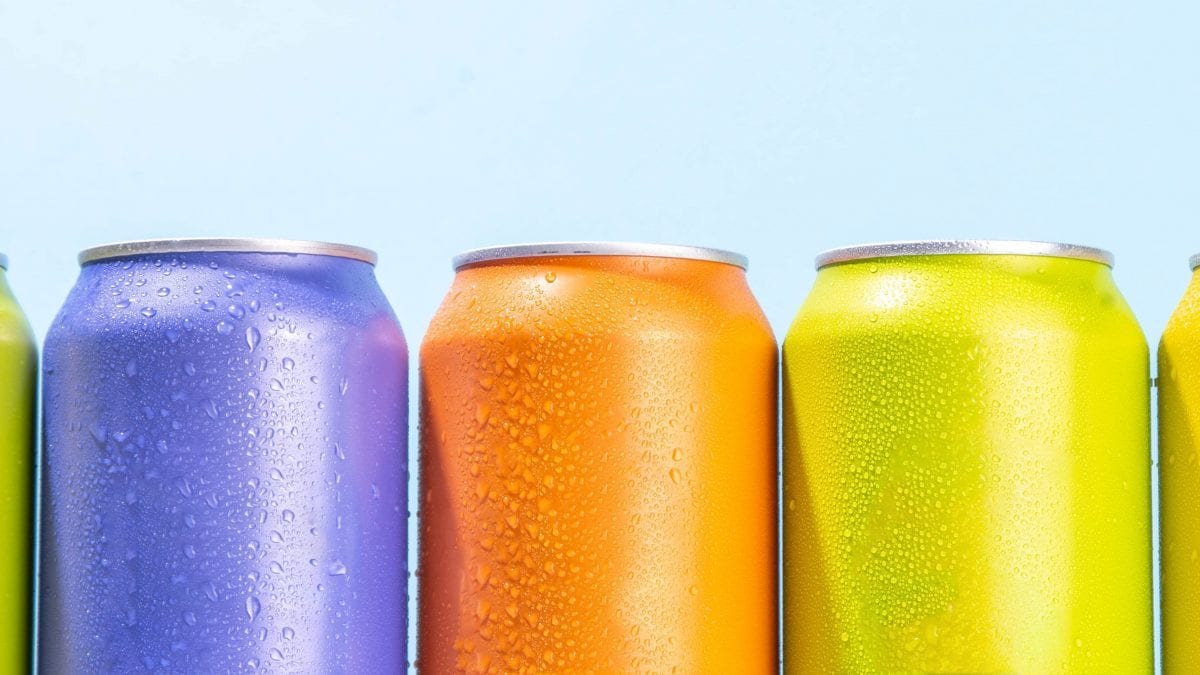
A great Saturday night spent out with friends, each with their own canned cocktail: no longer just beer, but actual pre-mixed single-serve drinks. Here in the United States and Great Britain, the trend is opposite to the rest of the world, where they're available but not really popular.
This is revealed in Silicon Valley Bank's 2025 report on the state of the American wine industry. Ready-to-drink (RTD) cocktails have seen a 29.3% increase, generating revenues exceeding $18 billion annually and also growing in Europe, thanks to the United Kingdom. But what exactly are they, why are they so popular, how much do they cost, and where can you get them? Let's explore them together.
What Are RTDs And Why Are They So Popular?
Ready-to-drink are wines or cocktails already mixed in a can (e.g., gin and tonic, spritz, margarita, but already prepared in a can). The idea was born to avoid waste, where everyone simply has their own ready-to-drink can and go—no equipment, no measurements, no glasses. Even the institutional British newspaper, The Guardian, explains that these spirits are a real summer trend in the United Kingdom. Beautiful cans with catchy graphics and names (e.g., BuzzBalls with flavors like Espresso Martini), different colors depending on the drink, and so on.

But why are they actually so popular? There are clearly many reasons: convenience, trends, the environment, and, of course, money. Essentially, there's no mixing involved, no need for shakers, special glasses, measuring cups, or other equipment: everything is already perfectly measured in a can. It's great for those short on time, who want to go out, feel good, and avoid the hassle or heavy glass bottles to carry. The price is also very competitive; a can of RTD is often much cheaper than the "traditional" alternative. The Guardian explains that a drink at the supermarket will set you back between £3 and £3.50, while a bottle will set you back up to £30.
The environmental impact shouldn't be underestimated either: cans are more recyclable than glass, they're lightweight, and they take up less space. In short, consumption patterns are changing. Today, people drink more casually, more easily, and with less commitment. Therefore, RTD drinks meet various needs that consumers have long been seeking.
;Resize,width=767;)
