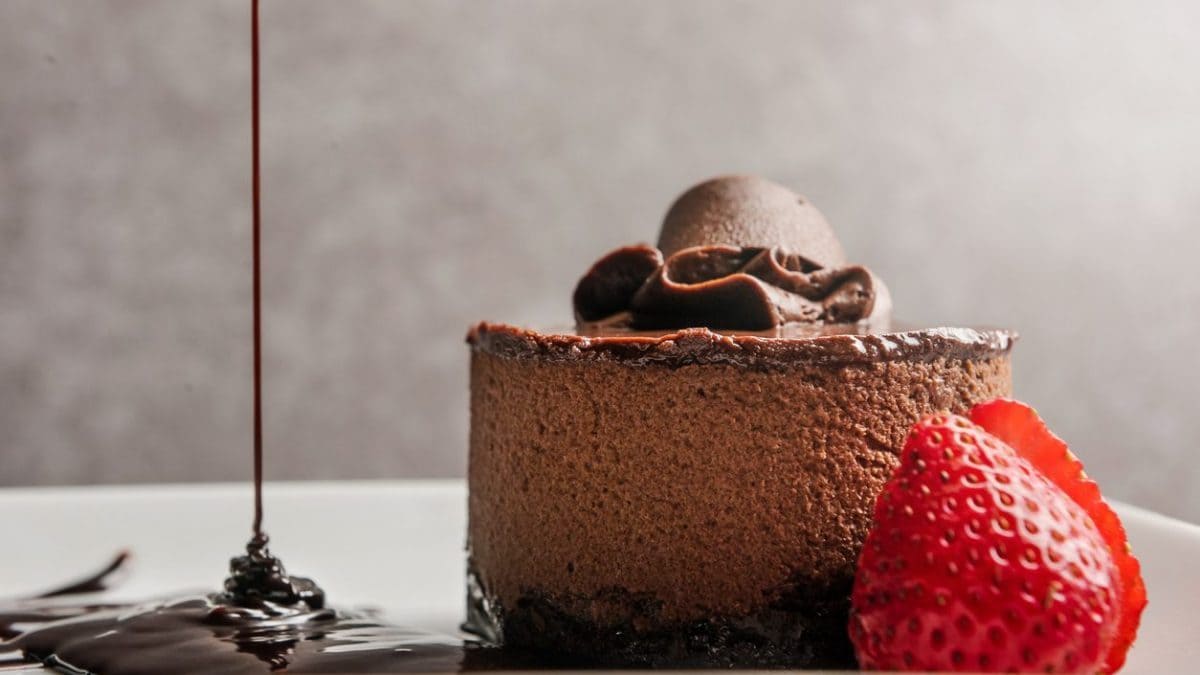
It's probably a question we've all asked ourselves, perhaps as children, when we wondered why everything had that name. Very often, knowing the etymology of a word helps us immediately understand what we're talking about, and that's exactly what happens with the term dessert. A word that wasn't created to indicate a sweet treat, but a specific gesture linked to the final moment of a meal, the one in which, even today, we usually consume it.
In The Beginning It Wasn't Something Sweet
The origin of the word dessert is to be found, it goes without saying, in the French language, precisely from the term desservir, meaning "to clear the table." Originally, it referred to the moment after the main courses were consumed, when plates, cutlery, and dishes were cleared away to make room for what followed. Over time, the meaning of the term underwent a slight but essential change: it no longer referred to the action itself, but what was served after that gesture. Obviously, we shouldn't imagine dessert as we understand it today, but it was mostly fruit, fresh and dried, liqueurs, and some sweet preparations. The transition from the meaning of an action to that of a course is a clear example of semantic evolution: a word linked to a gesture ends up taking on, in this case, the name of the course itself, which comes precisely after that gesture.
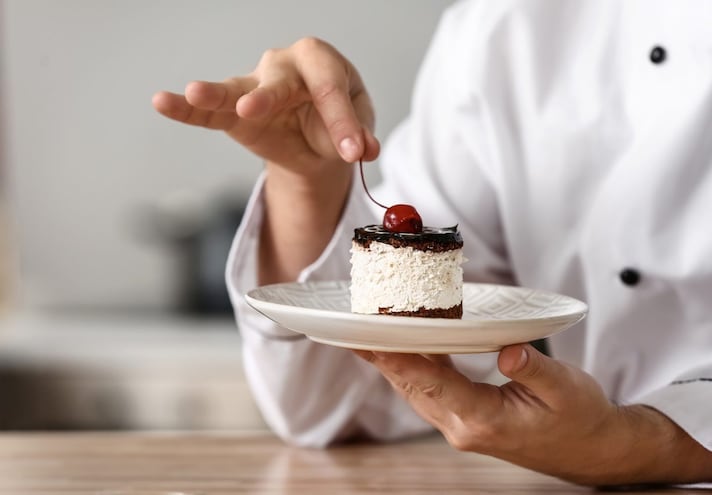
The Birth of Dessert
As we have seen, the term dessert does not originate with a reference to a sweet, but rather to a course that concludes a meal, served last, just as it is today. However, it would seem that even the ancient Romans and Greeks were accustomed to ending their meal with fruit and other sweet foods, even though it was not considered a course in itself. The concept of dessert began to take shape in the late Middle Ages, when sugar began to become more widespread in Europe and preparations based on this ingredient began to acquire a prominent place, especially at the end of the meal. It was in France, however, that this course took on a more distinct physiognomy: between the 17th and 18th centuries, the first modern organization of service took shape, and dessert began to occupy a specific position, at the beginning or end of a meal.
Dessert as A Final Course
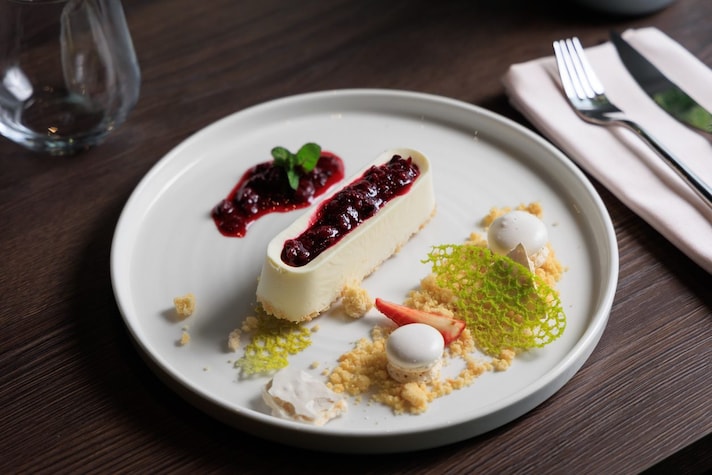
What decisively boosted the establishment of dessert as the final meal was the greater availability of certain resources—in addition to sugar, also cocoa, vanilla, cinnamon, and various spices—the development of increasingly sophisticated pastry techniques, which made desserts true works of art, and the consolidation of certain service practices. With French service, for example, the dishes were served simultaneously, and therefore sweet dishes could also be served during the meal. But with the spread of Russian service —the one Italians are accustomed to—dessert began to have its own well-defined space: as the courses began to be served one by one, the dessert served at the end marked the end of the lunch or dinner, establishing, quite definitively, its role within the service.
;Resize,width=767;)
