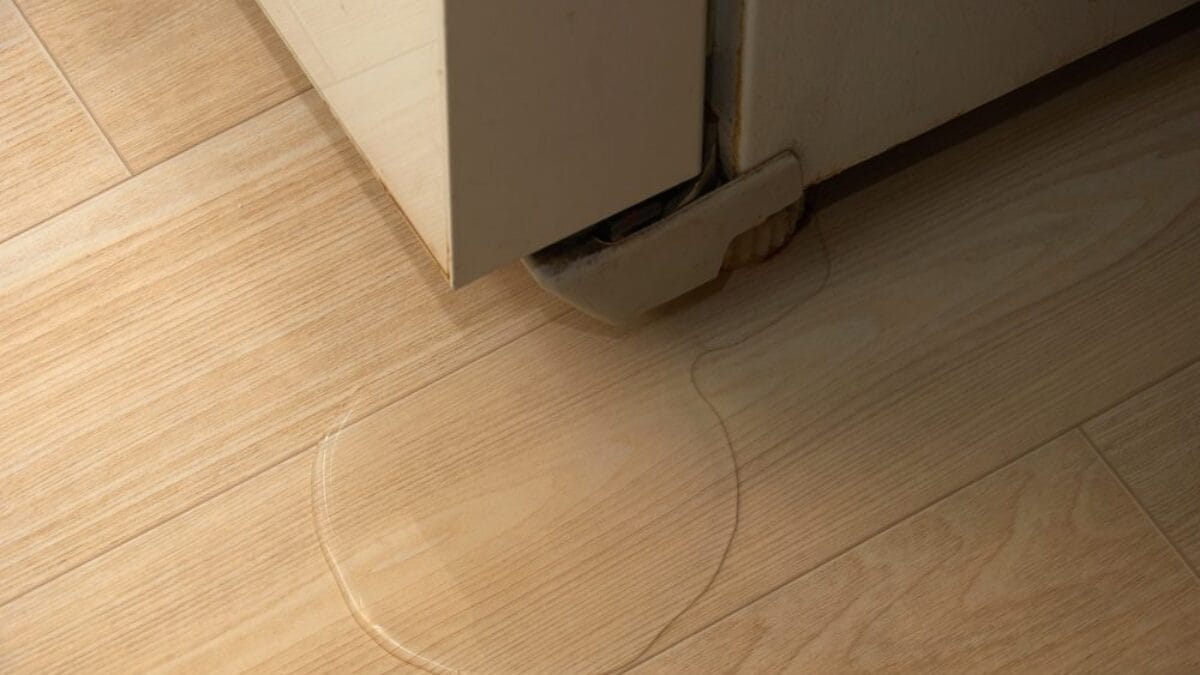
Finding water at the bottom of the refrigerator or, in the worst cases, a small puddle on the floor in front of the appliance is a very common occurrence. The first reaction is usually panic, immediately assuming a fault, but in reality, this isn't necessarily the case: in most cases, it's a problem due to minor maintenance issues or less-than-optimal use of the refrigerator. For example, the water drain hole may be clogged, or condensation may have formed because the refrigerator's seals are no longer properly sealed and need replacing, or even condensation may simply have formed because you've opened and closed the door too many times. What should you do in these cases, how can you prevent it from happening, and when is it best to call a technician? Let's explore this together.
Why Does My Refrigerator Leak Water?
When your refrigerator drips or water forms inside or on the floor, in most cases it's not a serious fault but rather an easily fixable problem. The first thing to do in these cases is to determine what caused the water to form. One of the most common causes is a blocked condensation drain hole, a small channel located on the rear wall of the refrigerator compartment that conveys the water produced during defrost cycles to a tray above the compressor, where it evaporates thanks to the heat generated by the motor. If food debris, crumbs, mold, or limescale deposits block this hole, the water can't drain properly and ends up accumulating on the bottom of the refrigerator, eventually leaking out (in addition to creating unpleasant odors inside).
If the drain hole is okay, also check the condensation collection tray: this is a less common cause, but sometimes it may have moved or become damaged, thus preventing the water from draining properly. In models with a dispenser, however, the cause could be related to a problem in the water supply circuit. It is more common, however, for the water leak to be due to excessive condensation, which can occur when the door is opened too often or left ajar, allowing warm, humid air from the room to enter. When it comes into contact with cold surfaces, the humidity turns into water, increasing the amount of condensation the system must dispose of. A worn or deformed door seal can also allow continuous infiltration of hot air, with the same effect. In some cases, the problem could also be caused by an overfilled refrigerator, which hinders the circulation of cold air and alters the temperature distribution, or by still-hot food placed inside, which produces a significant amount of water vapor.
What to Check When You Find Water in The Refrigerator
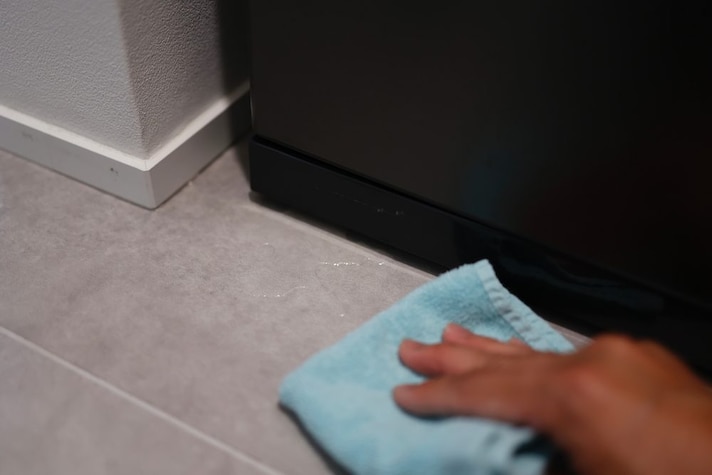
So, what should you do if you find water in front of or inside the refrigerator? After drying it, you should check the various parts of the appliance to pinpoint the exact spot where it's accumulating. This will give you a clearer idea of the problem, understanding whether it's an easily fixable anomaly, such as a clogged drain hole or a loose seal, or whether a technician is needed. The first area to check is the interior bottom of the refrigerator, especially the area near the back wall. If the water forms a small puddle under the shelves or flows to the front of the compartment, or if the bottom is full of dripping droplets, the culprit is often the condensation drain hole. It's likely clogged over time, preventing the water from draining. The result is that the condensation pools on the bottom of the refrigerator and, as the level rises, it ends up expanding under the shelves or even leaking out the door.
Another area that deserves special attention is the vegetable drawers. Located in the lowest part of the refrigerator, they are the area where water naturally tends to collect. If you notice persistent humidity or find water under the drawers, the problem may once again be related to condensation drainage, but other causes should not be ruled out. Fruits and vegetables contain large amounts of water and, during storage, naturally release moisture. If the refrigerator is very crowded, cold air circulation becomes less effective and water vapor tends to condense on the internal surfaces, accumulating in the lower area. Storing vegetables while still wet after washing or using containers that are not completely closed can also increase humidity levels, encouraging water to form on the bottom of the drawers.
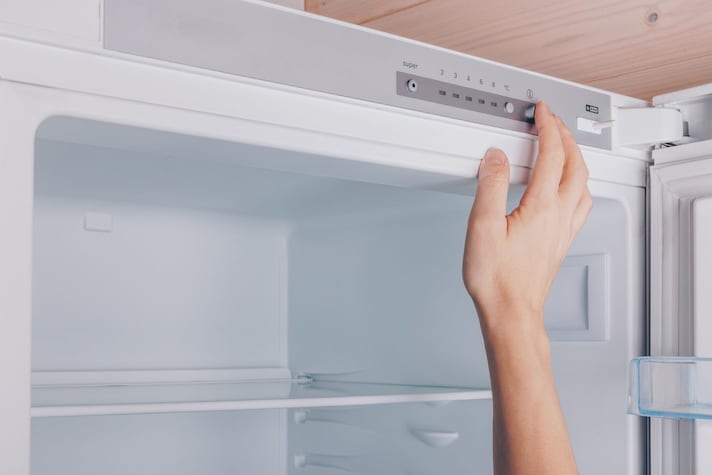
The door seals are another crucial component to carefully inspect. Their job is to ensure the refrigerator's airtight seal, preventing warm, humid air from entering. Over time, however, the rubber can stiffen, warp, crack, or become covered in dirt and debris that compromise its seal. Even a small opening along the edge of the door is enough to allow a constant influx of outside air. The compressor will then be forced to work harder to maintain the set temperature, while the humidity introduced from outside will turn into condensation on the cold surfaces, increasing the amount of water the system must dispose of. To check the condition of the seals, check whether they adhere uniformly along the entire perimeter of the door and ensure there are no cuts, permanent creases, or crushed areas.
Finally, also check the condensation collection tray, located at the back of the refrigerator, usually above or next to the compressor. During normal operation, it's completely normal for it to contain a certain amount of water, which evaporates thanks to the heat produced by the motor. However, if the tray is out of place, tilted, cracked, or damaged, water can leak out and collect on the floor behind or under the refrigerator. It's therefore worth checking that it's correctly positioned and intact, and also checking for any traces of limescale, dirt, or residue along the drain hose, which could be affecting the proper drainage of condensation.
How to Fix a Dripping Fridge
Once you've identified the cause of the water buildup, it's relatively simple to fix it yourself. If the problem is related to the drain hole, the first thing to do is at least partially empty the refrigerator, so as to have free access to the back wall and bottom. After unplugging the appliance from the power outlet, remove all accumulated water using a soft cloth or paper towel, carefully drying the corners, vegetable drawers, and spaces under the shelves. Completely eliminating moisture is important not only to prevent further leaks, but also to prevent the formation of mold, unpleasant odors, and bacteria that could develop in constantly wet areas.
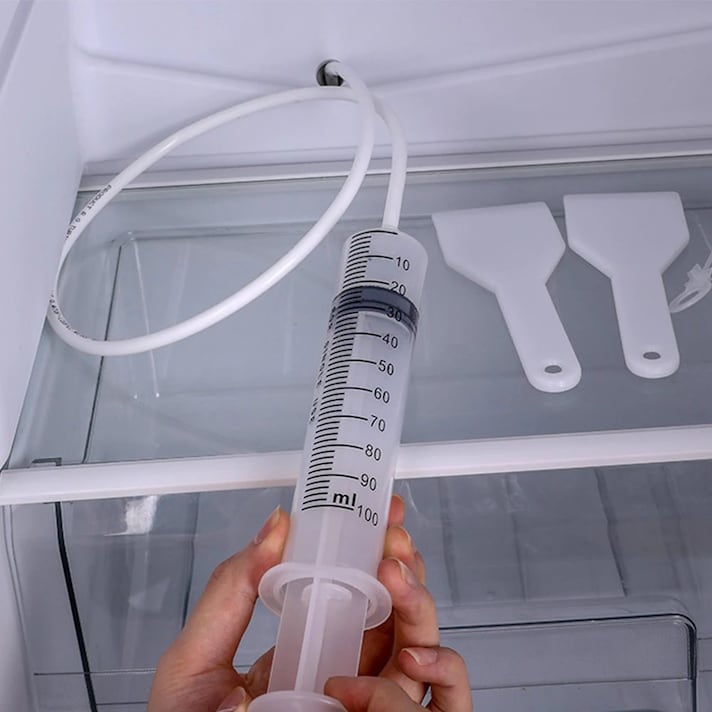
Once the inside is dry, you need to clear the hole: to remove the blockage, you can use a small flexible brush, a plastic stick, or a thin cable tie, always avoiding sharp metal objects that could damage the duct. After removing any residue, it's helpful to introduce a small amount of warm water using a syringe without a needle, a dropper, or a small funnel, checking that the liquid flows properly toward the collection tray on the back of the appliance. If the water flows without stagnating, it means the duct has been successfully cleared. If the blockage is particularly stubborn, repeat the process several times until the passage is completely cleared. At this point, you can reconnect the power and put the food back inside the refrigerator: remember not to attach the products directly to the back, as this could cover the drainage hole or impede the circulation of cold air.
If you've noticed the seals might be the problem, you have two options. First, try cleaning them: often, they're not completely damaged, just dirty. Wash them with warm water and a little vinegar or baking soda, use a toothbrush to clean the internal folds, and dry everything thoroughly with paper towels. If that doesn't solve the problem, and the refrigerator still won't close, check the type of seals: some refrigerator models have the seal fused to the door (integrated), requiring a technician. If the rubber seal isn't integrated into the door, however, you can replace the seal yourself. If you've identified the problem in the condensation collection tray, however, you'll need to fix or replace it. Again, the first thing to do is unplug the appliance, then remove the lid or front grille: sometimes it's just displaced, in which case you'll need to gently push it back into its proper place. If the tray is broken, it needs to be replaced: you can do it yourself if you're handy, otherwise ask a technician for help.
How to Prevent New Leaks (And When to Call a Technician)
Refrigerator water leaks are, in most cases, easily solved, but it's still best to avoid them if possible. How? Simply perform regular maintenance to prevent potential problems that cause your refrigerator to leak. The first thing to do is regularly check the leak, looking for any debris and removing it if necessary. To prevent food from clogging the leak, it's advisable to avoid leaving food in contact with the refrigerator wall, but rather place it a few centimeters away.
Keeping the refrigerator interior clean also helps reduce the risk of blockages, as crumbs and small food fragments can easily end up in the drain during normal use. It's equally important not to overload the shelves: an orderly arrangement of food promotes proper circulation of cold air, ensures a more uniform temperature, and limits the formation of condensation. Food should also be stored in tightly closed containers and placed in the refrigerator only after it has completely cooled, to avoid excess humidity inside the compartment. Opening the door only when necessary and periodically checking the condition of the seals also helps reduce the entry of warm, humid air, which is a major cause of condensation. During periodic cleaning, it's also advisable to check the condensation collection tray and the back of the appliance, removing any dust buildup that could hinder proper water evaporation.
Despite proper maintenance, there are situations where it's best to call a specialized technician. If the drain hole is clear, the seals are intact, and the refrigerator still leaks, the problem could involve less accessible internal components, such as the automatic defrost system, condensation drain hose, thermostat, or temperature sensors. These damages can cause excessive ice production and, consequently, abnormal water accumulation during defrosting, or even a full-blown leak. In these cases, the structural damage is more serious and very specific, and requires the intervention of a specialist. Contact a technician even if the water leak recurs after cleaning and checking the various parts: this means you haven't identified the correct problem and there could be more serious damage.
;Resize,width=767;)
