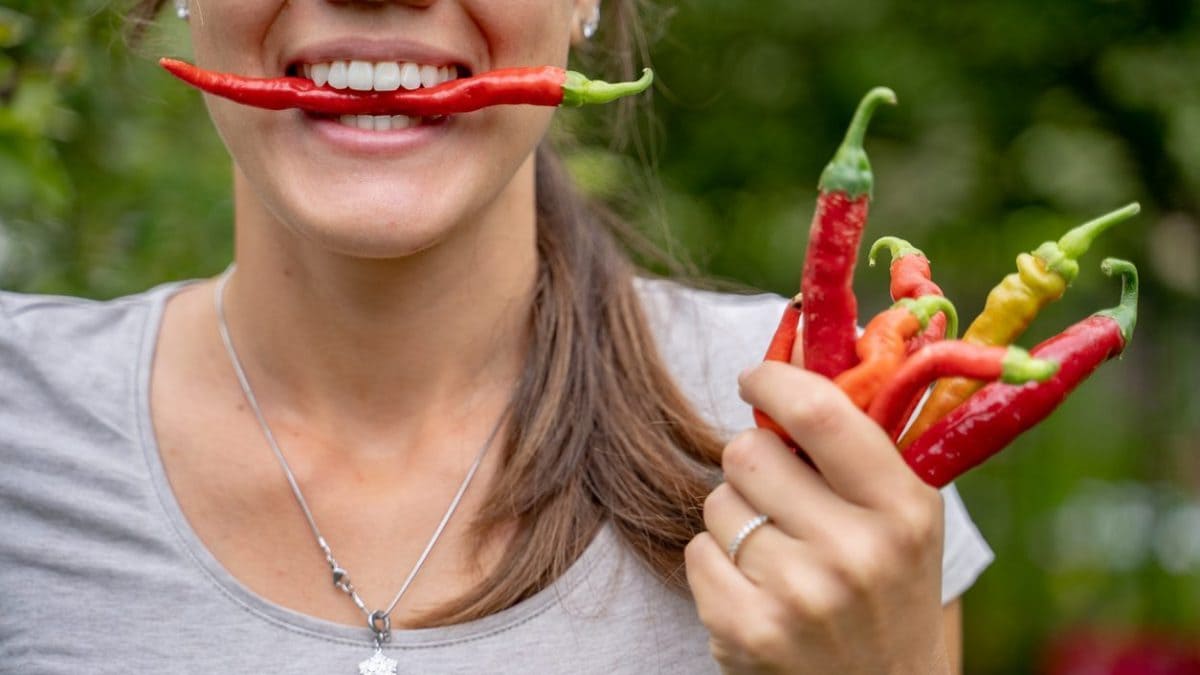
Imagine a hot, scorching day, one with temperatures so high that even movement becomes a minor torture. All you want is a cool drink, perhaps ice cream or an iced drink to give you some relief. Did you know that, in these cases, spicy foods are your best allies against the heat? Paradoxically, precisely during these times you should prefer dishes with chili peppers, hot sauces, or Indian curries: they are the best choices for countering the heat and cooling the body. If you think about it, in fact, it is precisely in the hottest places in the world (like India, Thailand, Central America, Africa) where dishes prepared with chili peppers or spices that cause increased sweating are most common. But how can spicy foods, always associated with a "heating" effect on the body, help trigger a sensation of refreshment? Science provides the answer: let's find out together.
What is Capsaicin and How Does It Affect Thermoregulation?
The reason why spicy foods cool you down in hot weather is capsaicin, a natural chemical compound found in plants of the Capsicum genus (e.g., chili peppers) that gives them their typical spicy sensation. Botanically, capsaicin has a very specific purpose: to keep mammals away (which damage the seeds by chewing them) and to encourage dispersal by birds, which are immune to the spicy sensation.
However, when humans eat foods containing capsaicin, the substance reacts differently: it binds to TRPV1 receptors on the tongue and throughout the body. These receptors are sensitive to heat and, when stimulated by capsaicin, send a signal similar to that of a "heat burn" to the brain. Essentially, capsaicin tricks the heat receptors in the nervous system and stimulates the body's cooling mechanisms (sweating and vasodilation) in response, even when there's no real danger. The result? The result? Capsaicin produces a distinct cooling effect because it promotes the dispersion of body heat through the evaporation of sweat.
Why Does Spicy Food Improve the Perception of Freshness?
Let's dive a little deeper: how does sweating alone help us feel cooler? Sweating isn't very pleasant, but it's actually a little "magic": it's our body's system for cooling itself. When too much heat builds up, the brain activates the sweat glands so that the water in sweat can absorb the heat energy. The sweat then evaporates from the skin, thus carrying away heat and leaving the skin's surface cooler.

Capsaicin-induced sweating is similar to natural sweating, but with an added benefit: evaporation on the skin creates a pleasant effect, similar to a mini internal air conditioner. This mechanism helps to better tolerate both the dry heat and the muggy tropical climates, as it forces the body to release heat externally. For this reason, many people in hot countries use this strategy: measuring the right amount of spicy food helps to tolerate the heat because it lowers the perceived thermal sensation.
However, this isn't the only reason why the use of spices and spicy foods is so widespread in these restaurants. Spicy foods promote the production of gastric juices and bile, facilitating digestive processes and reducing intestinal fermentation. They also stimulate blood circulation and dilate blood vessels, improving oxygenation and local metabolism. Some scientific studies even suggest an effect on moderate heart rate, impacting energy expenditure. This speeds up the metabolism and, in specific cases, can contribute to greater energy efficiency in the body, even in fat management.
The use of spices and hot temperatures in very hot regions of the world also serves a more practical purpose. These products, thanks to their natural characteristics, can protect foods from bacterial contamination. In tropical areas, high temperatures and humidity favor the proliferation of bacteria and mold, particularly in perishable foods like meat: in the absence of refrigeration systems, spices themselves reduce the risk of food poisoning. The use of hot spices would therefore have represented an evolutionary advantage for survival, selecting for more "protective" culinary cultures over time.
Which Foods to Choose and How to Adjust the Spiciness
While spicy food is a great remedy for the heat, that doesn't mean you should overdo it: overdoing it can actually overload your body's thermoregulation and become counterproductive, causing digestive discomfort or excessive sweating. As always, the key is moderation and choosing the right level of spiciness. This is easy to do: just use the Scoville Scale, which classifies chili peppers based on their concentration of capsaicin, the heat-producing agent. For summer, opt for varieties with low or intermediate scores, which are excellent for enhancing foods without going overboard: a sprinkling of fresh chili pepper on summer dishes (salads with lettuce or legumes, fish and light meats) or a spoonful of spicy sauce to season pasta are all you need. Of course, you can try all the spicy recipes from the hottest countries in the world, such as pico de gallo, a typical Mexican condiment, or kung pao chicken, a typical Chinese main course, or even a rich curry made more interesting by the addition of a pinch of chili pepper.

;Resize,width=767;)
