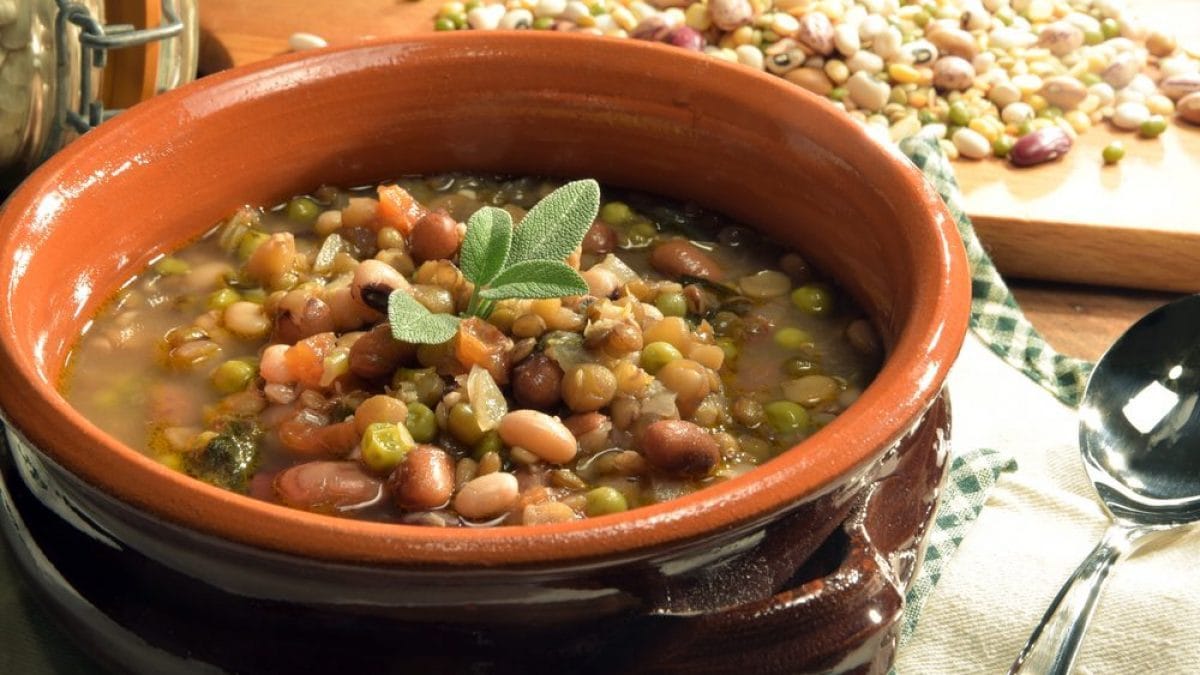
Beans, peas, chickpeas, fava beans, lentils, and grass peas: there are countless varieties of legumes, each one tastier than the next. Not only that, they're incredibly beneficial for the human body, primarily because they're rich in protein and fiber, but also because they possess numerous other qualities that help your body function better.
As if that weren't enough, legumes are a type of crop that doesn't harm the environment but, on the contrary, protects it, and they are an extremely versatile food in the kitchen, where you can prepare them in dozens of different ways: you can eat legumes on their own, you can mix them, but you can also turn them into flour and pasta. These are just some of the reasons why legumes should never be missing from your kitchen: let's take a detailed look at all the properties of these small ingredients with huge potential.
Properties and Benefits of Legumes
Legumes are the edible seeds of a variety of herbaceous and shrubby plants belonging to the Leguminosae family. Widespread and loved throughout the world, they are one of nature's most complete foods, so much so that over time they have become a major source of sustenance for rural populations.
All legumes are low in fat but rich in protein, fiber, and micronutrients, so rich that they alone constitute one of the six food groups.
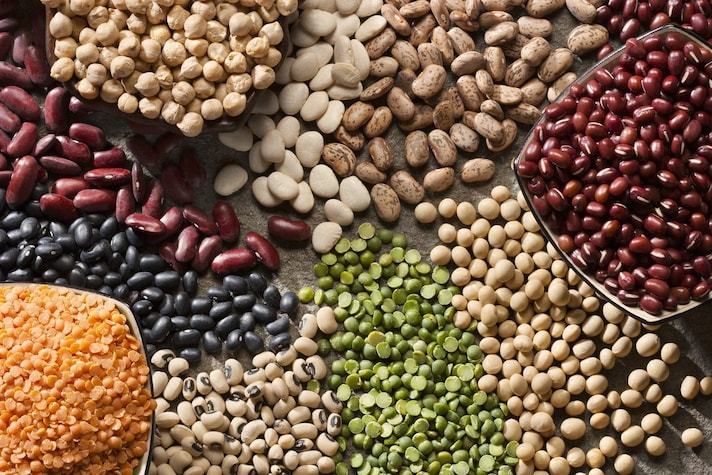
Legumes, in particular, are known for being one of the best sources of plant-based protein, so much so that they are often used in vegetarian and vegan diets as a meat substitute (even though legumes lack some essential nutrients compared to meat). They also contain vitamins B and C, folic acid, minerals such as iron, calcium, phosphorus, potassium, magnesium, zinc, and important flavonoids.
Precisely because of their rich nutritional profile, legumes have many beneficial effects on the human body:
- They regulate blood sugar levels, thanks to their high fiber content, which allows for the slow absorption of carbohydrates and, consequently, prevents glycemic spikes, as well as keeping blood sugar levels under control. For this reason, they are also recommended as a preventative food for the onset of diabetes.
- They help cell production, because the proteins and carbohydrates they contain release their energy slowly, stimulating and strengthening the construction of cellular structures.
- They stimulate intestinal regularity. Like all fiber-rich foods, legumes also stimulate intestinal transit and natural regularity, which is why they are excellent allies against constipation and obstipation.
- They control high cholesterol, because they contain lecithin and saponins, substances capable of reducing cholesterol and with it the risk of cardiovascular disease.
- They fight hypertension and anemia, the first because they are rich in potassium which regulates blood pressure, the second thanks to the presence of iron, a substance which allows the transport of oxygen in the blood.
- They strengthen muscles. Muscle development is closely linked to calcium and protein, two elements necessary for growth and good health. Legumes are very rich in both and are therefore an excellent ally for the muscular system, so much so that dietitians say that when combined with grains to facilitate protein absorption, they can completely replace animal proteins.
- Detox and anti-aging effect. Legumes contain a whole series of amino acids that absorb fluids and stimulate their expulsion, thus causing a draining and detoxifying effect. They also contain a good amount of antioxidants that counteract cellular aging.
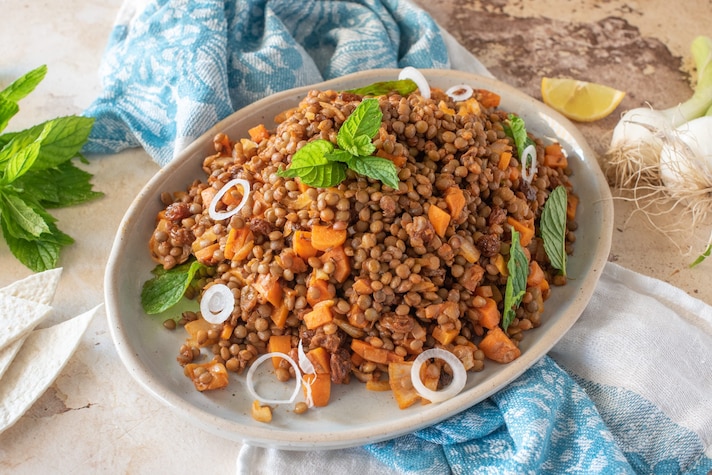
Despite all these benefits, there's also a small drawback: as you surely know, legumes can be fermentable due to their high fiber and galactan content, which can lead to intestinal problems. This depends greatly on your gut's ability to digest legumes, as this varies from person to person. To help you, it's best not to consume legumes more than 2-3 times a week, to choose the hulled or flaked varieties, which are more digestible, and to choose dried ones, which should be rehydrated by soaking them for at least 24 hours.
It's also important to note that legumes are not only good for the human body, but also for the environment, as they are one of the least harmful crops of all. Legume plants, in fact, do not require nitrogen fertilizers, so their production is completely natural and does not involve greenhouse gas emissions, which are responsible for global warming and climate change.
Tricks to Help You Eat More Legumes
As we've mentioned, legumes are among the most versatile foods in existence and lend themselves to countless preparations, from stews to rustic soups, from classic pasta and risotto dishes to casseroles and stews. But what if you're tired of traditional legume recipes, or if you're not a fan of legumes, but you know they're a good addition to your diet?
One of the secrets to eating more legumes is to use your imagination and look for new, alternative, and delicious recipes that present them in a different way. For example, legume burgers were long thought of as exclusively for vegetarians and vegans, but in reality, they're a delicious and easy-to-make homemade dish that allows you to eat legumes almost without realizing it.

Even at the supermarket you can now find dozens of similar products, but if you want to experiment in the kitchen you can use chickpeas, lentils and beans to make delicious burgers and cutlets to insert into sandwiches, or to make inviting meatballs to eat one after the other.
Another recipe that can help you incorporate legumes into your diet is hummus, a typical Middle Eastern recipe in which chickpeas, combined with tahini (sesame seed sauce) and garlic, are added with the flavors of coriander, lemon juice, and olive oil, transformed into a creamy accompaniment to various dishes and also used as a dip for dipping pita bread. With all these ingredients, the last element you'll taste is the chickpeas, and you can also make hummus with other legumes, such as peas or lentils.
If you're looking for a snack, you can prepare, for example, crunchy chickpeas, perfect for any time of day as a light, protein-rich snack and easy to customize with your favorite spices and flavorings. You may not know it, but you can even make desserts with legumes: just choose legume flours (they can be made from chickpeas, peas, lupin beans, etc.), a very high-protein preparation. You can use them to bake cakes and pancakes, muffins and cookies, just like you would with traditional flour.
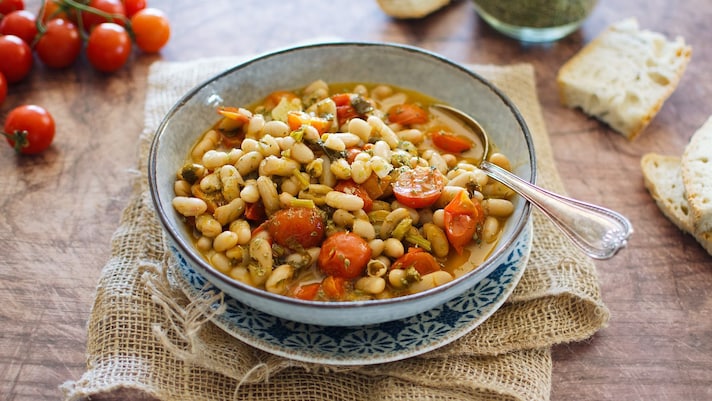
Finally, one last tip for learning to eat legumes even if you're not crazy about them: try legume pasta, made with the legume flours we mentioned above. Compared to traditional pasta, it has a lower glycemic index and offers a higher vegetable protein content. It's also excellent for dieting because it expands when cooked. You can cook and season it just like regular pasta; just be careful when cooking it, as it tends to overcook quickly.
;Resize,width=767;)
