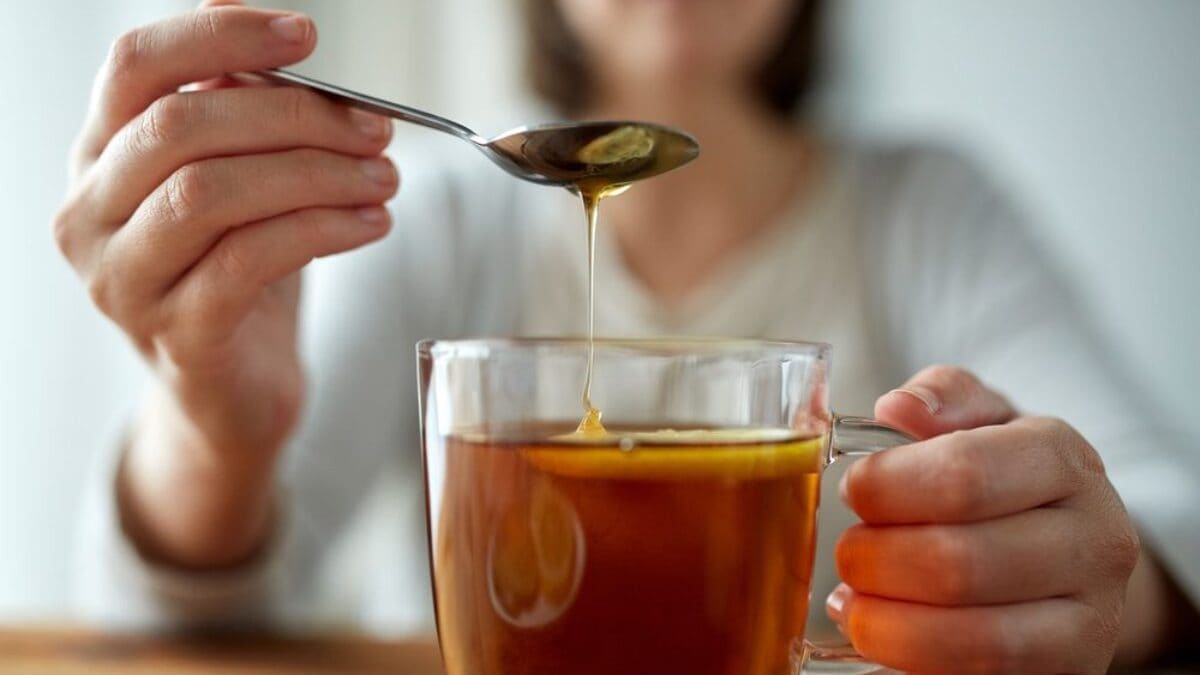
Does honey lose its properties when added to a boiling hot drink? It's a question you've probably asked yourself at least once, perhaps while adding a teaspoon of honey to a freshly brewed tea or herbal tea. Honey is a true gift from nature: it's delicious, extremely versatile, coming in dozens of different varieties, and has been prized for centuries for its nutritional properties and as a natural sweetener. Even today, in fact, it's common to add it to tea and herbal teas in place of sugar, often while the drink is still boiling hot. But is this really a good habit? High temperatures can alter some of its properties, especially those most sensitive to heat, even though honey continues to perform its sweetening function. Let's find out together why it's best to avoid adding honey to a very hot drink and how to best use it to preserve its properties.
How Honey Reacts to High Temperatures
Honey is rich in enzymes, vitamins, minerals, and antioxidants that play a fundamental role in promoting health, but these compounds are delicate and highly sensitive, especially to heat. When honey is exposed to temperatures above 104-122°F/40-50°C, many of these nutrients and enzymes denature and consequently alter, causing the honey to lose many of the natural properties that make it so precious. Sometimes, its organoleptic characteristics can also be affected, resulting in honey that sweetens but lacks flavor and cannot reap its natural benefits. For this very reason, even during harvesting, packaging, and storage, the temperature of honey must always be monitored: above a certain threshold, honey becomes pasteurized, which doesn't make it harmful to humans, but alters its taste, aroma, and consistency. In practice, it only retains its sweetening function.

Which Honey Components Get Altered By Heat
Heat can alter the chemical and organoleptic structure of honey, destroying its most precious and biologically active elements. The main components of honey that are altered by heat are enzymes, the most sensitive compounds of all: they are denatured and rendered inactive at temperatures above 104°F-113°F/40°C–45°C. Heat also degrades vitamins, particularly vitamin C and some B vitamins present in honey, and weakens polyphenols and flavonoids, two powerful natural antioxidants. If subjected to thermal shock, they reduce their effectiveness, compromising the product's anti-inflammatory properties. Essential oils and aromas, the components responsible for the typical aroma and flavor of each honey variety, are also highly volatile: heat causes them to evaporate rapidly, making the honey flat, excessively sweet, and devoid of aromatic nuances. The sweetening power of honey, however, remains stable even at high temperatures because it is determined by fructose and glucose, simple sugars whose chemical structure is not destroyed by the heat of hot drinks.
The Myth of Honey Becoming Toxic
For several years, a rumor has been circulating that honey, once heated, becomes toxic to the human body. This is, of course, completely untrue: it's a false belief derived partly from ancient Ayurvedic texts and partly from a biased scientific interpretation of the formation of HMF (hydroxymethylfurfural). This substance is indeed a compound to be aware of when discussing heating honey, but its presence alone does not demonstrate a health risk at normal intakes. The European Food Safety Authority (EFSA), in fact, has specifically examined HMF, but the assessment focused on the risks to bees exposed to supplemental feed, not the safety of heated honey for human consumption.
Hydroxymethylfurfural , known by the acronym HMF or 5-HMF, is an organic compound formed during the degradation of sugars, particularly fructose, especially under acidic conditions and in the presence of heat. It is generally present in low concentrations in fresh honey, but its quantity can increase following intense heat treatments, prolonged storage, or suboptimal storage conditions. For this reason, HMF is used as an indicator of honey quality and its thermal history. European legislation generally sets a maximum limit of 40 mg/kg, which rises to 80 mg/kg for honeys from tropical climates and their blends. It is important to clarify, however, that these values are quality parameters and not thresholds that automatically separate a safe food from a toxic one.

Available scientific knowledge does not indicate that adding honey to a hot drink makes it toxic: HMF is a substance also present in many common foods, the safety of which is assessed by considering the quantities consumed and levels of exposure. Scientific studies (such as those conducted by the German Federal Institute for Risk Assessment – BfR) confirm that HMF at these levels does not pose a risk to human health and does not have a pronounced toxic potential. Furthermore, HMF is ubiquitous in our diet, and we consume it every day in quantities significantly higher than those found in a teaspoon of hot honey. This compound, in fact, is found in abundance in many common cooked or roasted foods: for example, roasted coffee can contain up to 2900 mg/kg of HMF, prunes around 2200 mg/kg, and it is present in significant quantities in caramel, biscuits, bread crusts, fruit juices, and UHT milk. For bees, however, high concentrations of HMF in supplementary feeds can represent a risk: for this reason it is important to monitor the quality of the sugar syrups used in hive feeding.
When To Add Honey to Hot Drinks
To fully enjoy the benefits of honey, it's important to add it to drinks when their temperature has dropped below 104°F/40°C: this way, its nutritional properties are preserved and its delicate flavor remains intact. It's not difficult; just take your time and wait a few minutes, just long enough for the drink to cool from boiling hot to lukewarm. The result will be the same, but you'll enjoy the benefits of both the honey's nutrients and the sugars that make it an excellent sweetener.

