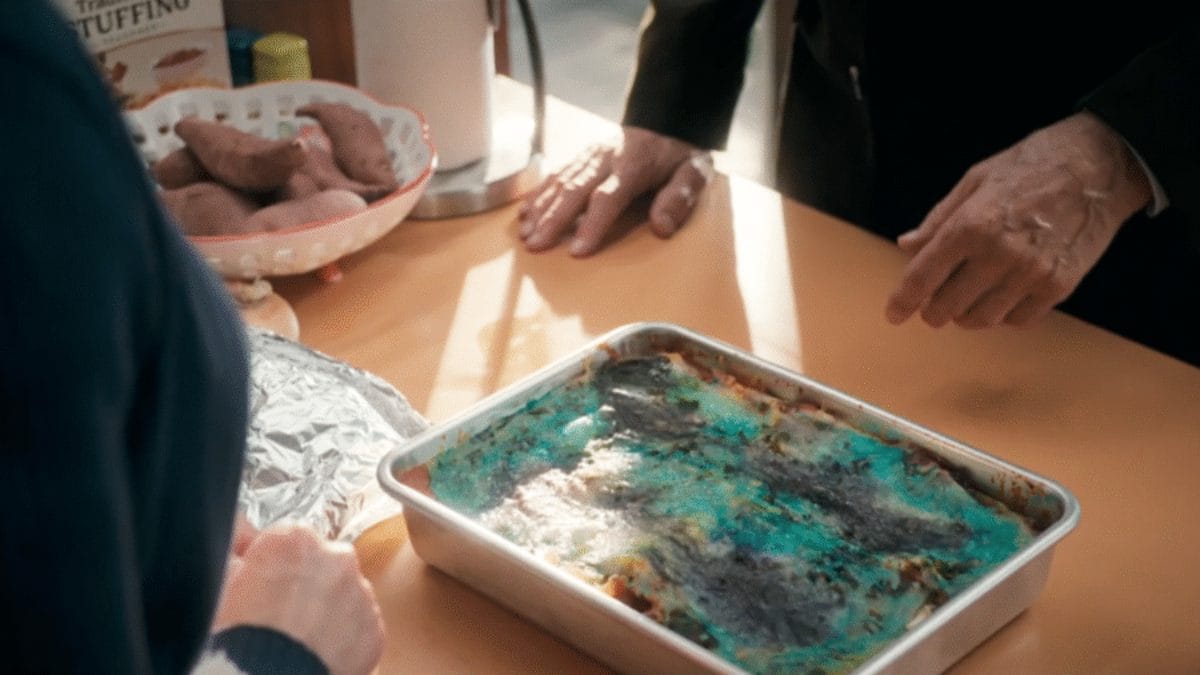
Lasagna is supposed to be comforting. Bubbling sauce, tender noodles, a golden, melty top. What it’s not supposed to be is strangely metallic, oddly dry, or mysteriously dull in flavor. And yet, if you’ve ever baked a lasagna (or baked ziti, or manicotti, or stuffed shells) in a steel pan, you might have noticed something felt… off.
This isn’t culinary superstition. There’s a real, science-backed reason why steel pans are a bad match for baked pasta dishes— especially ones heavy on tomato sauce. And once you understand what’s happening, you’ll probably never reach for one again.
The Problem Starts With Acid
At the heart of most pasta bakes is tomato sauce. Tomatoes are delicious, versatile, and deeply acidic. That acidity is exactly what gives pasta dishes their brightness and balance, but it’s also what makes them reactive when paired with certain cookware. Steel pans, including many stainless steel baking dishes, are not completely nonreactive, especially when exposed to acidic ingredients over long cooking times. When tomato sauce sits in a steel pan and is heated for 45 minutes or more, it can start to leach metallic flavors into the food. The result isn’t always dramatic, but it’s noticeable: a flat, tinny taste that dulls everything else on the plate.
It’s Not Just About Flavor
Flavor is the biggest issue, but it’s not the only one. Steel pans are excellent heat conductors, which is usually a good thing. For pasta bakes, however, that efficiency can work against you. Steel heats up quickly and aggressively, often causing the edges and bottom of a dish to overcook or dry out before the center is fully heated through. That’s how you end up with a lasagna that’s crispy in all the wrong places and oddly loose in the middle. Pasta dishes benefit from gentler, more even heat, something steel simply isn’t designed to provide in this context.
Why Restaurants Sometimes Get Away With It
You might be wondering: if steel is such a bad idea, why do you see it in professional kitchens? The answer comes down to timing and control. In restaurants, pasta bakes are often assembled, baked quickly, and served immediately. They’re rarely left sitting in the pan, and they’re often transferred or portioned out right away. Home cooks, on the other hand, tend to bake lasagna longer, let it rest in the pan, refrigerate leftovers, and reheat directly in the same dish. That extended contact between acidic sauce and steel is where problems start to show up.
Leftovers Make It Worse
If baking lasagna in a steel pan is questionable, storing leftovers in it is a definite no. Once cooked, tomato-based pasta becomes even more acidic as it sits. Leaving it overnight in a steel pan, especially uncovered or loosely covered, increases the risk of flavor changes and discoloration. The sauce can darken, develop a bitter edge, or pick up that unmistakable metallic aftertaste. This is why many food safety experts recommend transferring acidic leftovers to glass or ceramic containers as soon as they cool.
What You Should Use Instead
If you want your lasagna to taste like it came from a cozy Italian kitchen (and not a hardware store), your best bets are:
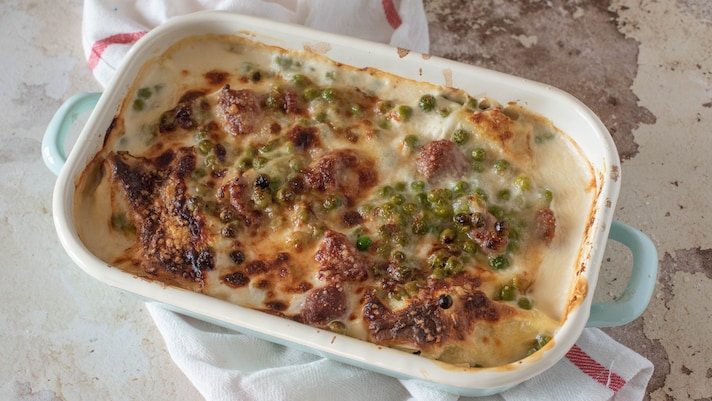
- Ceramic baking dishes – Nonreactive, heat evenly, and hold warmth beautifully.
- Glass baking dishes (like Pyrex) – Ideal for tomato-based pasta bakes and easy to monitor browning.
- Enameled cast iron – Heavier, but excellent for even cooking and flavor retention.
All three options protect the integrity of the sauce, cook pasta gently, and keep flavors exactly where they belong.

What About Aluminum?
Bare aluminum pans have similar issues to steel when it comes to acidity, but anodized aluminum or ceramic-coated aluminum is generally safe. The key is whether the surface is reactive or nonreactive. When in doubt, check the manufacturer’s guidance — or stick with glass and ceramic for anything tomato-heavy.
;Resize,width=767;)
