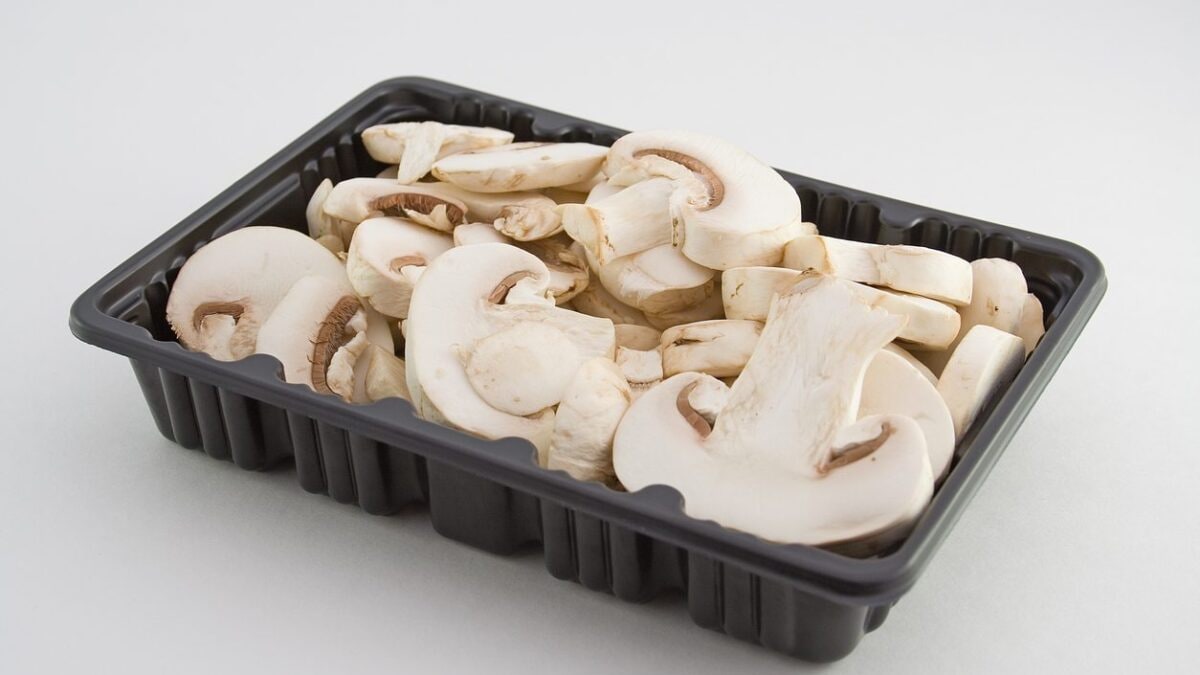
Fragrant, versatile, and capable of transforming even the simplest dish into something special: mushrooms are among the most fascinating protagonists of the kitchen, especially when autumn arrives. Autumn is the perfect time to enjoy mushrooms, which are the protagonists of many creative and classic dishes, from risottos to side dishes and frittatas. Between September and October, the different weather conditions from the previous hot and dry months favor the growth of new varieties, while also confirming the presence of some types already seen during the summer and which continue to keep us company. It's always good to remember that mushroom picking is not something you can improvise, and that this practice requires precise knowledge to avoid intoxication or actual poisoning, not to mention that each area has local regulations to follow.
For this reason, the most practical solution for non-experts is often to buy them. But when you buy mushrooms, do you know how different it is to buy them whole or pre-sliced? At first glance, it might seem like a simple matter of convenience, as having them pre-sliced saves you some preliminary steps. In reality, this choice hides differences in freshness, preservation, consistency, and product quality. Here's why it's always better to buy whole mushrooms rather than sliced, how they change after being cut, and how to choose and store fresh mushrooms.
What Happens to Mushrooms After Cutting Them
Buying whole mushrooms, rather than pre-cut ones, can completely change the final outcome of the recipes in which you use these delicious autumnal products. But what's the difference between whole mushrooms and pre-cut ones? When a mushroom is cut, it begins to deteriorate more rapidly than if it were a whole specimen. The main reason is that cutting breaks the integrity of the tissues and cells, exposing a much larger surface area to the oxygen in the air. From that moment on, enzymatic reactions are activated that promote oxidation: this is the phenomenon responsible, among other things, for the browning of the surface, which can appear relatively quickly. Furthermore, the freshly cut surface loses some of the protection offered by the integrity of the tissue and becomes more vulnerable to water loss, the proliferation of microorganisms, and exchanges with the surrounding environment.

Mushrooms are also naturally rich in water, a characteristic that makes them particularly perishable: once sliced, the increased exposed surface area accelerates both dehydration and changes in consistency, which can become soft and slimy. Therefore, under the same storage conditions, a mushroom purchased whole and sliced only just before use better and longer retains the texture and flavor that make the product such a popular food.
Loss of Consistency, Dehydration and Browning
Cutting accelerates a series of transformations that, in the whole mushroom, proceed more slowly. The larger exposed surface area promotes water loss and oxidation, while cell damage facilitates enzymatic reactions and makes the tissue more vulnerable to subsequent alterations. The result is a progressive departure from the characteristics of the fresh mushroom: the color darkens, the structure loses firmness, and the water balance in the tissues changes.

Mushrooms are particularly rich in water, and their structure maintains this component within their cells and tissues. However, when a mushroom is sliced, the integrity of the cells is disrupted, and a much larger surface area is directly exposed to the external environment. This promotes moisture exchange and facilitates water loss through evaporation, resulting in the mushroom becoming drier and shriveled, ultimately losing the firm, fleshy consistency that characterizes fresh produce. Furthermore, dehydration does not necessarily affect all tissues equally and can also contribute to altering the taste experience, making the mushroom less crunchy and more stringy or rubbery once cooked.
Along with water loss, alterations to the internal structure of the tissues can occur. Cutting causes physical damage to the cells and their compartments, bringing into contact substances and enzymes that, in intact mushrooms, remain largely separate. Over time, the activity of microorganisms naturally present on the surface can also contribute to tissue degradation, especially when storage conditions are not optimal. This can lead to a progressive loss of consistency: the mushroom becomes softer, more fragile, and, in the more advanced stages of deterioration, presents a moist or slimy surface. Another easily recognizable change is the browning of the cut surface. As soon as the tissue is damaged, the damaged cells come into contact with oxygen in the air, promoting certain enzymatic oxidation reactions, which lead to the appearance of the typical brownish hues. This phenomenon is similar, in general mechanism, to what is observed when certain fruits are cut and the pulp, initially pale, tends to progressively darken.

In mushrooms, the change can be particularly evident along the cut surfaces, because that's where the tissue has been most damaged and exposed to oxygen. However, browning shouldn't automatically be interpreted as a sign of unsafe food: a certain degree of darkening may simply be the result of oxidation. Rather, it's the combination of color changes, loss of texture, excessive moisture, unusual odors, and other alterations that provide a more complete picture of the state of preservation. For all these reasons, sliced mushrooms require special care during storage and, compared to whole mushrooms, may show visible signs of deterioration more quickly.
The Advantages of Buying Whole Mushrooms and Cutting Them Just Before Using Them
Purchasing whole mushrooms and cutting them shortly before using them allows you to preserve the characteristics of the fresh product for longer. Leaving the mushroom's structure intact limits the surface area directly exposed to air, thus slowing down some of the processes that occur after cutting, such as oxidation and water loss. The mushroom thus maintains its appearance, texture, and organoleptic characteristics for longer, generally resulting in a firmer and more fleshy appearance when prepared. Cutting mushrooms shortly before cooking also reduces the time the cut surface is in contact with oxygen: this helps limit browning and maintain a more uniform color. Texture can also benefit from this choice, as the product is subjected to the processes that can lead to dehydration and tissue deterioration for a shorter period of time.

There's also a practical advantage: buying whole mushrooms makes it easier to check their overall appearance, checking for consistency, color, and any damaged areas before preparing them. Once purchased, mushrooms must still be stored properly and consumed within a suitable period: choosing whole mushrooms doesn't eliminate the natural spoilage process, but it does delay some of the alterations specifically related to cutting. In this regard, slicing mushrooms as close to cooking time as possible is a simple trick to ensure they reach the kitchen with a product that better retains its original characteristics.
How to Choose and Store Fresh Mushrooms
Choosing and storing fresh mushrooms correctly is essential to preserving their quality, texture, and organoleptic characteristics for as long as possible. When purchasing, the first thing you need to do is make sure the product is truly fresh. How? Generally speaking, a mushroom is fresh when it appears firm and compact, with an intact surface and no excessively dark areas, deep bruises, or obvious signs of deterioration. Color can naturally vary depending on the species and variety, so relying solely on hue isn't enough: it's more useful to evaluate the mushroom's overall appearance and check for any unusual changes.
Texture , on the other hand, is one of the most important indicators of freshness available to you. A mushroom is truly fresh when, when gently pressed with your fingers, it retains a certain firmness, without feeling excessively soft, collapsed, or slimy. A slightly moist surface does not necessarily mean the product is spoiled, but excessive liquid, combined with a soft or slimy texture and unusual odors, may indicate that the spoilage process is already advanced. For packaged mushrooms, it is also important to check the date indicated on the package and verify that the packaging is intact, without any abnormal accumulations of liquid, damaged packaging, or other obvious signs of alteration.
Once purchased, fresh mushrooms should be stored in the refrigerator as soon as possible, avoiding leaving them at room temperature for long periods, especially on hot days. Cold temperatures slow down chemical and enzymatic reactions and the growth of microorganisms responsible for spoilage, although they don't completely stop them. To best preserve them, avoid completely airtight containers, as lack of air circulation causes moisture to accumulate on the surface, creating conditions favorable for spoilage. Also avoid plastic bags, as they retain moisture and cause mushrooms to mold or blacken. At the same time, it's not advisable to leave them completely exposed to air for extended periods, as this can accelerate dehydration. The ideal solution is paper bags, which protect the mushrooms while still allowing enough air to breathe so as not to accelerate spoilage. Store the paper bag containing the mushrooms in the lower or cooler part of the refrigerator, such as the crisper drawer or a lower shelf, and consume them preferably within 2-4 days. If you can't consume them in time, you can freeze them, but for best results it is preferable to sauté or blanch them first: if you decide to freeze them raw, slice them thickly and plunge them directly into a hot pan while still frozen, to prevent them from becoming soft.

Before storing them in the refrigerator, it's advisable to do a quick dry cleaning to remove excess soil and plant debris, but strictly avoid wetting them before storing. Above all, it's essential not to wash them before storing them: they would certainly retain some moisture on the surface, promoting a more rapid loss of texture and increased humidity during storage. The correct way to clean mushrooms is to gently remove any soil residue and damaged parts, using the tools and methods appropriate for the species purchased (mushroom knives, brushes, or absorbent paper). If water must be used, this should be done quickly and followed by thorough drying, avoiding leaving the mushrooms immersed in water. Again, the principle is simple: the less time they spend moist before preparation, the better for maintaining their texture.

