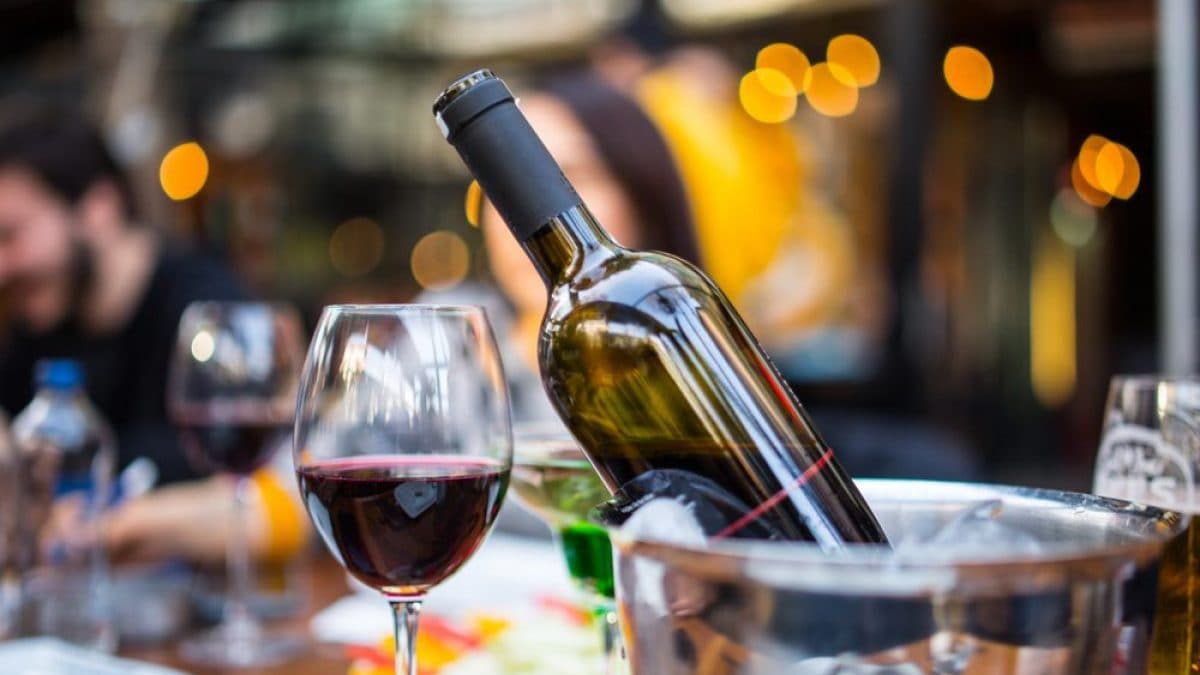
Turning an empty wine bottle upside down in the cooler is a gesture many interpret as practical: a direct way to indicate that the wine is finished and that you wish to continue serving. However, despite its seemingly practical appearance, this behavior is considered improper by etiquette and discouraged in elegant dining settings.
The gesture conveys impatience and tactlessness, and carries with it a less than noble historical legacy. Today we'll explain why it's considered rude, its origins, and how to properly signal the end of a glass of wine, respecting etiquette and enhancing the dining experience.
Why It's Considered Rude
Table etiquette isn't just about aesthetics, but also about codes that foster mutual respect between diners and wait staff. Turning an empty bottle upside down in the cooler disrupts this harmony: it's abrupt, ostentatious, and conveys an inelegant message. Instead of relying on the discretion of the server, a request is made in a direct, almost peremptory manner, which can be unpleasant for both the recipient and the observer.
But there's more: the origins of this practice are rooted in historical contexts far removed from the elegance of contemporary restaurants. It's said that in brothels of a century or two ago, women would turn empty bottles upside down in buckets to have them replaced immediately, often without the customer noticing. The goal? To encourage consumption and increase revenue. This ploy, tied to dynamics of profit and manipulation, has left a negative imprint on the collective imagination, transforming the gesture into a symbol of rudeness and disrespect.
Over time, etiquette has codified this practice as an example of poor table manners, precisely because of its origins and the message it conveys: it is not just a formal error, but a lack of sensitivity towards the context and the people involved.

How to Correctly Signal That The Wine is Finished
Fortunately, there are much more elegant and respectful ways to communicate that the bottle is empty and that you wish to continue serving. The first step is to rely on discretion: the wait staff is trained to observe and intervene at the appropriate time, without the need for dramatic gestures.
Here are some good practices to follow:
- Leave the empty bottle on the table or in the cooler, but always with the neck facing up. This allows the sommelier or waiter to easily notice when the wine is finished, without forcing it.
- If you want to speed up service, simply get the staff's attention with a polite gesture, such as raising your hand slightly or making eye contact. There's no need to raise your voice or wave your arms.
- Avoid loud comments or jokes about the finished wine: the dining experience is about conviviality, but also about respect for the staff and other guests.
This way, the atmosphere of courtesy and refinement is preserved, the role of the sommelier is enhanced, and the wine moment is made a shared and pleasant experience, not a simple transaction.
Turning an empty wine bottle upside down in the cooler isn't just a formally incorrect gesture: it's a habit that communicates impatience, tactlessness, and, in some cases, ignorance of etiquette. Knowing the origins of this practice and its hidden meanings helps us consciously avoid it, choosing instead more respectful and harmonious behaviors.
Because wine, at the table, is more than just a drink: it's a ritual, a language, an opportunity to express culture and care. And every gesture, even the smallest, helps express who we are and how we experience conviviality.
;Resize,width=767;)
