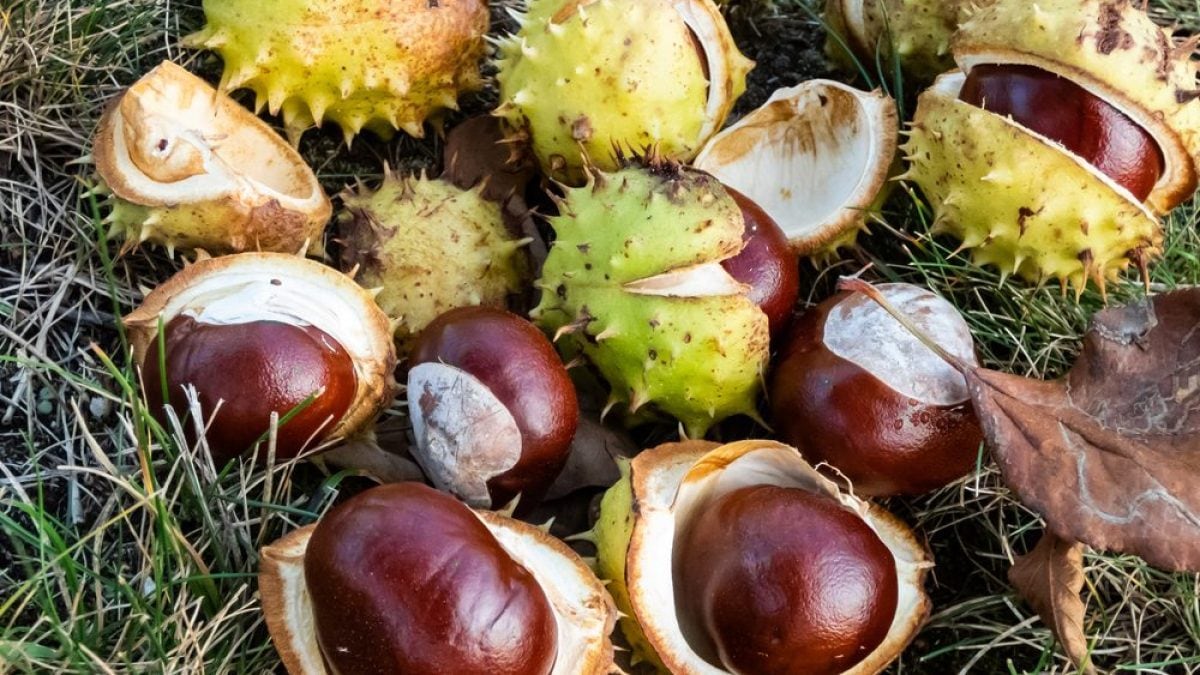
Shiny, smooth, and brown, the so-called wild chestnut is easily found along tree-lined avenues, in parks, and on city sidewalks, and it can be misleading for those unfamiliar with it: it looks identical to the "classic" chestnuts we eat and that colonize autumn recipes, but in reality it is the fruit (or more correctly, the seed) of a different tree, the horse chestnut, and is inedible. That's right: it's inedible because it's toxic. In rural society, however, it has found a way to be appreciated and valued. How? By becoming a veritable amulet, carried in your pocket against colds and seasonal ailments. Let's get to know it better.
What is The "Crazy" Chestnut and Why Is It Called That?
Aesculus hippocastanum is a widespread ornamental tree in Europe and is a different botanical species than Castanea sativa, the common chestnut found in hilly and mountain forests. While the latter produces some much-loved delicacies in the kitchen, the horse chestnut, on the other hand, produces fruit that is unfit for human consumption and, for this reason, is called "crazy," a term used to mean spoiled, not good, or not entirely healthy. Crazy chestnuts, also known as "horse chestnuts" or "fake chestnuts," have earned this popular, clear and direct nickname due to their dangerousness, given that they contain saponins, substances that, if ingested, can cause vomiting and diarrhea. In short, they should not be confused.

Crazy Chestnut, Better to Put It in Your Pocket
What does the peasant legend say? That carrying a chestnut in your coat or trousers pocket keeps colds, flu, and the typical autumn ailments caused by the first chills at bay. Understanding the origins of a popular belief is always complicated, and there are often multiple theories. In this case, it's useful to know that it's true that this fruit is poisonous when eaten cooked or raw by humans (it also has a bitter taste), but not by horses: the very name of the tree has to do with steeds (deriving from the Greek hippos, horse, and castanon, chestnut), as the fruits were crushed and fed to horses to improve their general health. In particular, it's said, to calm coughs.
The chestnut is actually recognized for its healing properties, which are used not only in the kitchen but also in cosmetics and herbal medicine, thanks to components such as escin, flavonoids, proanthocyanidins, and tannins. In the form of extracts, drops, creams, or ointments, they can provide relief for swollen legs, fragile capillaries, hemorrhoids, and water retention. There is no scientific evidence of beneficial effects against colds, especially if the chestnut is kept on the body.

