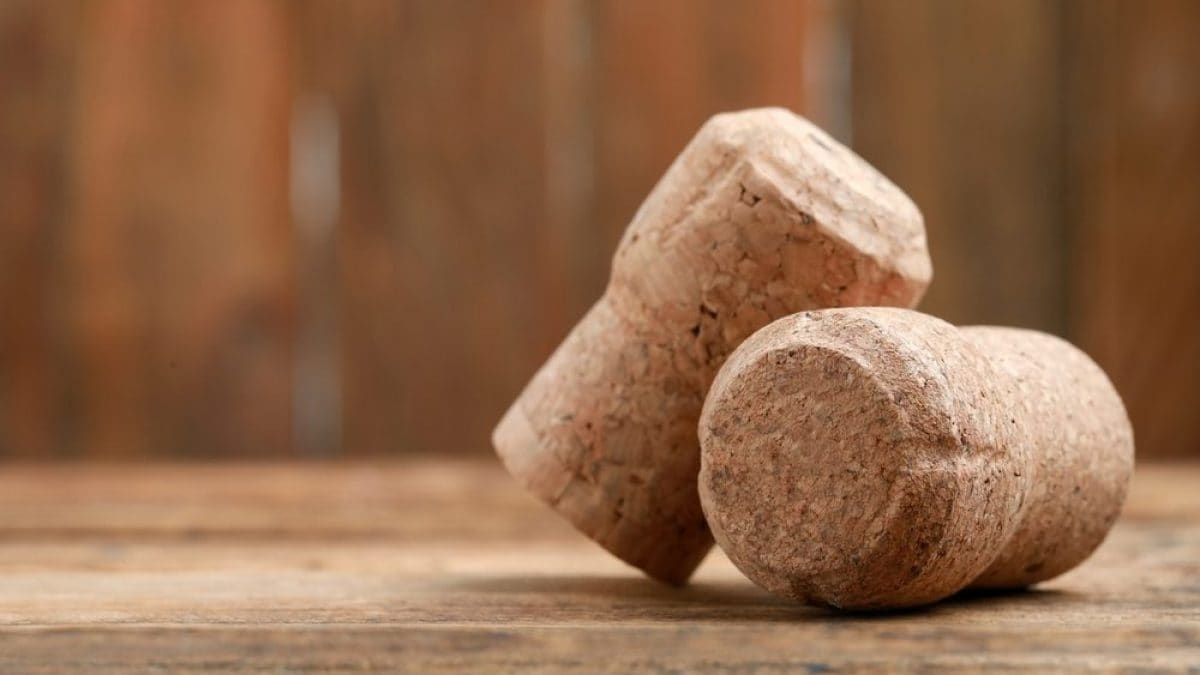
For generations, a small domestic ritual has circulated in kitchens: before frying, someone drops a cork into the oil as if it were a culinary good luck charm. The gesture stems from a widespread belief: that tiny float is supposed to tame the foam, make the oil more stable, and even improve frying. It's the typical advice of relatives, neighbors, and grandmothers, a pleasure to hear because it evokes a sense of home and of times when every trick seemed to hold a hint of secret wisdom. But does it really work? It's worth delving into the mystery, with a little curiosity and a little science.
Why Does Oil Foam?
Foam is nothing more than a normal reaction of the oil when it comes into contact with two elements:
- Water in food. When moist food touches hot oil, the water turns to steam and rises to the surface in the form of bubbles. If the food is very wet, these bubbles persist and turn into a cloud of foam, varying in size.
- Cooking residue. Breadcrumbs, flour, batter, small fragments that break off: all of these tend to burn in the oil and can contribute to foaming. It's as if the "cloudiness of the broth" had migrated into the crispy world of frying.
And here's the thing: none of these phenomena have anything to do with cork.

Does The Cork Do Anything or It It Just an Extra?
Cork is a fascinating material: light, porous, almost poetic in its simplicity. But in a pan of boiling oil, it has no useful role to play. It doesn't absorb water, it doesn't change the surface tension of the oil, it doesn't capture impurities, and it can't act as an anti-foam agent. Nor does it regulate the temperature. From a scientific standpoint, it has no superpowers: it floats, observes, but doesn't intervene.
So where does this belief come from? Probably from a benign illusion. Those who use a lid, often without realizing it, already practice the rules that truly limit foam: fry in clean oil, dry the ingredients thoroughly, maintain an appropriate temperature. Under such conditions, the foam is already reduced, lid or no lid. And so, as happens with many household legends, we end up attributing to gesture what is actually the result of good technique.
Added to this is the charm of the story: the “tricks of the past” always have the ability to survive even without evidence.

Possible Risks and How to Avoid Foam
Cork isn't designed to withstand the 340-355°F/170-180°C temperatures of frying oil: it can burn, crumble, and leave residue. These can be minor inconveniences, nothing tragic, of course, but they're still something we don't want on our plates. If you want reliable results, here's what you need to do before and during frying.
- Dry food thoroughly before immersing it in oil.
- Maintain the oil temperature between 320/160 and 355°F/180 °C, without sudden changes.
- Add the food a little at a time so as not to cool the oil.
- Use stable, frying-friendly oils, such as high oleic peanut or sunflower.
- Change the oil after frying and also replace it during cooking when it becomes dark, thick, or has an unpleasant odor.
Here's what you should avoid instead:
- Immerse wet or dripping food.
- Stir and stir the ingredients continuously, lifting any residue.
- Reusing the same oil too many times.
- Bring the oil above the smoking point.
- Leaving too many crumbs of batter or breadcrumbs around.
- Relying on foreign objects such as corks, wooden spoons and similar “talismans”.
;Resize,width=767;)
