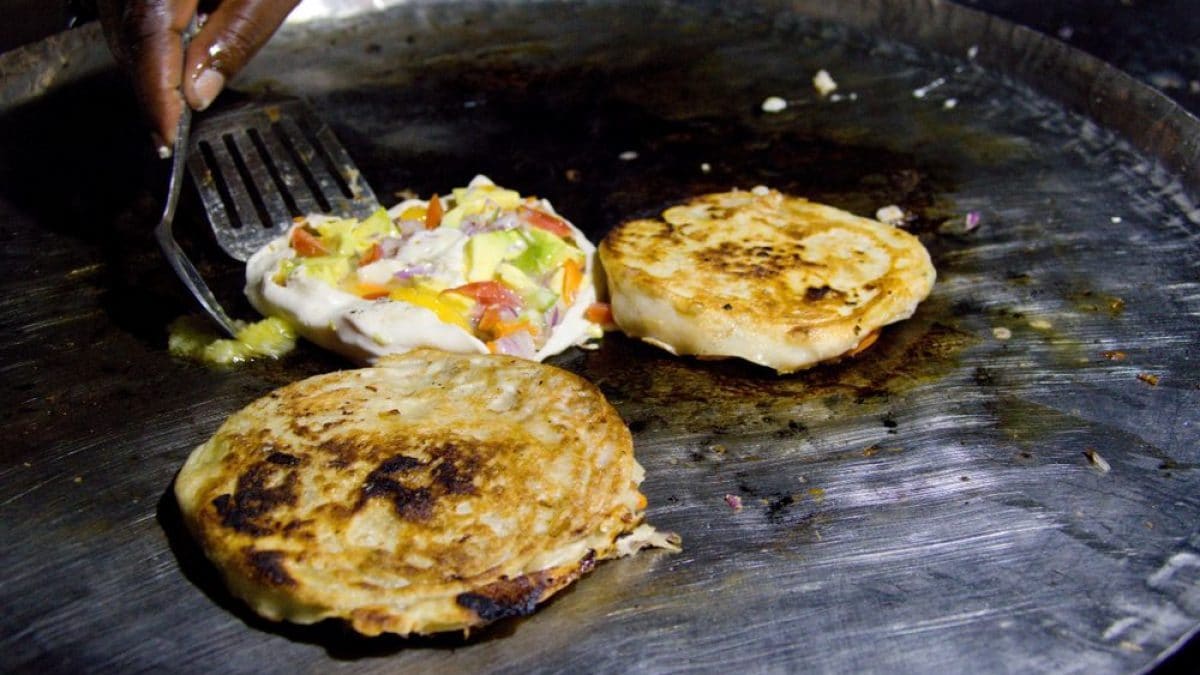
Have you ever thought it possible to go to Zanzibar and eat pizza? You can, but don't expect a Margherita or a Capricciosa, nor the typical dough of one of Italy's most beloved recipes: pizza from the African island has very little to do with Italian pizza; it's more of a tribute and a reinterpretation. This, however, doesn't make it any less interesting; on the contrary, it demonstrates how food can become a meeting point between completely different cultures, if we're open-minded enough to embrace the reinterpretation of a dish that Italians consider "sacred" and untouchable.
In short, if you're among those who are shocked by the combination of pineapple and ham this specialty isn't for you; if, however, you're curious to learn about and try, whenever possible, new interpretations of even the most iconic recipes, get ready to discover Zanzibar's most iconic street food. Having become the most famous recipe in the food market in Stone Town, the old part of the capital, Zanzibar pizza is a sort of cross between a savory pancake, a crêpe, and the world-famous Italian specialty: it's not baked, it's not cut into wedges, it's not leavened, it doesn't have mozzarella but onions, minced meat, cream cheese, even mango and bananas, and it also comes in a sweet version (like here, after all). Let's get to know Zanzibar pizza better, a perfect expression of the multi-ethnic culture that characterizes Zanzibar.
The Multiethnic Cuisine of Zanzibar
An hour and a half's sail off the coast of Tanzania lies an archipelago that is a world apart: Zanzibar, a microcosm rich in history and a diverse cultural mix, best expressed on its main island, Unguja (familiarly called Zanzibar), and even more so in its capital city, Stone Town. A hub for the spice, ivory, and slave trade, it attracted the attention of Arabs, Persians, Portuguese, and British, before becoming an independent sultanate and uniting with the mainland territories in a new United Republic.
This multiculturalism is expressed, as always, above all through food, a particularly intriguing mix of local ingredients such as spices – there are even “spice farms” where you can go and discover the plants and the techniques used to produce them – and the cultures that have passed through here.

The best way to discover, and above all, taste, this gastronomic melting pot? The Forodhani food market, a famous night market on the Stone Town waterfront. Here, at dozens of stalls lit by oil lamps, you can sample Zanzibari specialties such as mishkaki (Zanzibari kebab), samaki wa kupaka (grilled fish), Swahili roast (one of Zanzibar's predominant cultures), grilled shrimp, octopus tentacles, fried chicken, cassava, samosas, and fruit. There's also omelette with French fries, urojo, a soup that's a mix of multiethnic influences and always uses potatoes introduced by Europeans, and, of course, the very special Zanzibari pizza.
The "Pizza That Isn't Pizza" Phenomenon at Forodhani Market
Among the multitude of dishes prepared and cooked on the spot at the Forodhani market stands Zanzibari pizza, which has become the island's street food par excellence: it's called pizza, and although its shape resembles pizza, it's far removed from the Italian recipe. It's a sort of thin, crispy crepe or flatbread, more similar to Indian chapati than our idea of pizza, although its edges are folded inward to resemble a crust. It's filled with a wide variety of ingredients and sauces, and then fried in clarified butter on a hot griddle called a tava.

There is no official topping for Zanzibari pizza; the fillings range from a variety of ingredients: starting with a base of chopped vegetables like carrots, onions, green peppers, fresh tomatoes, mayonnaise, cheese, eggs, and the inevitable spices, to which can then be added ground beef and chicken, fish like cuttlefish, shrimp, and lobster, other local vegetables for a completely vegetarian version, and even tropical fruit like mango. There's also a sweet pizza, topped with a unique mix of local ingredients, especially fruit, and global products like Nutella and peanut butter, important due to heavy tourism.
The pizza is assembled directly at the vendor's stand: once you've chosen your favorite toppings, in true street food style, the chef will garnish the pizza on the spot and, before your eyes, cook it all using clarified butter. This is precisely why strolling through the crowded Forohdani market and choosing the most promising performer from the stalls has become a quintessential Zanzibar experience. Zanzibari pizza may not have much in common with our own pizza, but it's a dish packed with flavor, a delight to try and perfect for grabbing while wandering around the city.

;Resize,width=767;)
