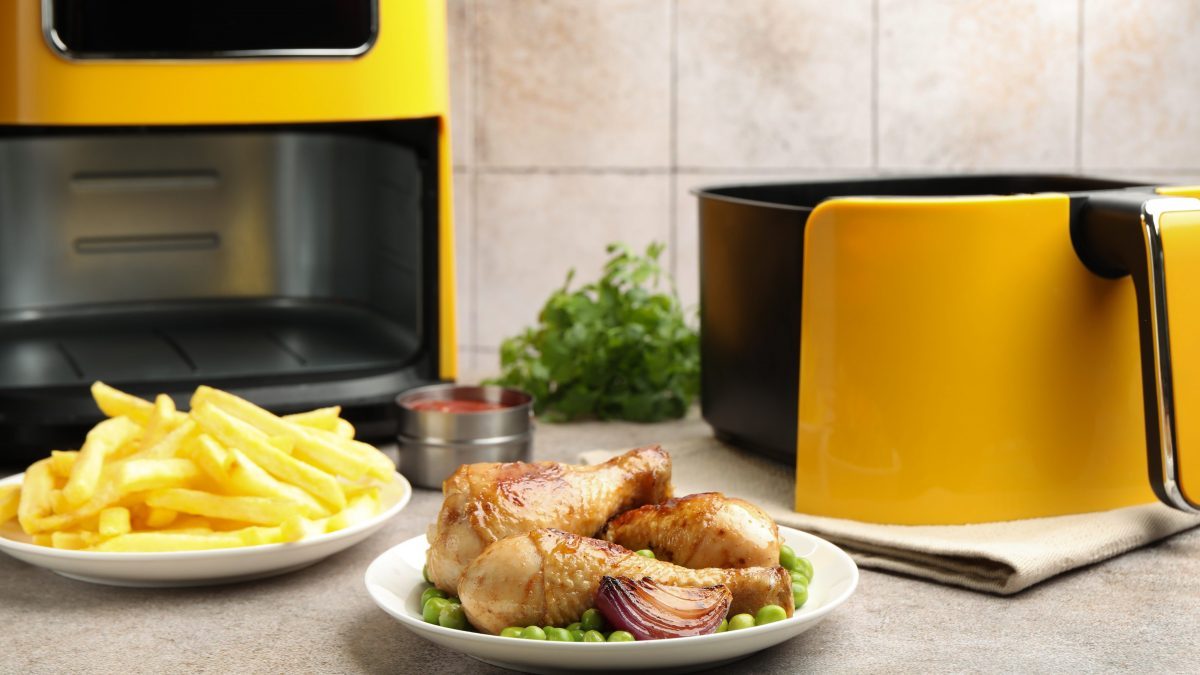
Over the years, the air fryer has become one of the most popular household appliances: practical and compact, it is now known to be used not only for frying foods in a lighter way, but also for cooking a variety of savory and sweet dishes, as its operation can be compared in part to that of a traditional fan oven. Using the air fryer is simple: cooking occurs by introducing a powerful jet of hot air into the chamber that circulates rapidly, reaching high temperatures in a very short time. Precisely for this reason, it is convenient, quick, and versatile, but when using it, it is easy to make some mistakes that risk compromising the success of the recipe and ruining the appliance. Let's look at the most common mistakes and how to avoid them.
1. Overloading the Basket
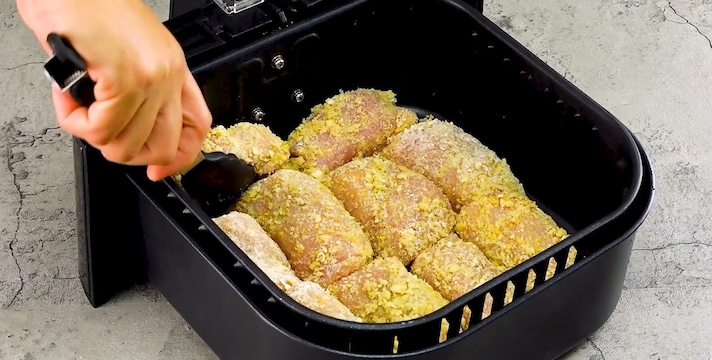
Let's start with what is probably the most common mistake, one we've all made at some point, thinking it'll save time, especially when we're new to air frying. In reality, overfilling the air fryer by placing food on top of each other, leaving no space between them, or by placing food that's too large for the capacity of the model, hinders proper circulation of hot air, resulting in unevenly cooked food that's not crispy. It's better to distribute the food in a single layer, preferably spaced apart, and if you're cooking large quantities, cook it in two batches.
2. Inserting Unsuitable Containers
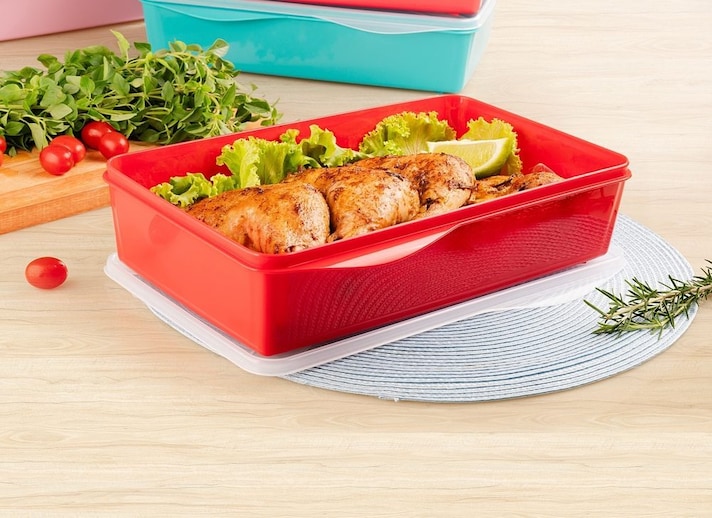
Not all materials can withstand the high temperatures and intense ventilation of a deep fryer. Typically, the same rules apply to this appliance as to a traditional oven: containers and trays made of stainless steel, Pyrex, ceramic, aluminum, and heat-resistant silicone are all safe, while plastic, wood, bamboo, paper bags, non-food paper, and classic Tupperware with lids are generally prohibited, as they block the passage of air. Be careful with muffin cups (which you can also use to make individual omelettes or sweet and savory tarts): always place them with food inside, otherwise, being lightweight, the air could come into contact with the heating element or fan, damaging them.
3. Using Metal Utensils
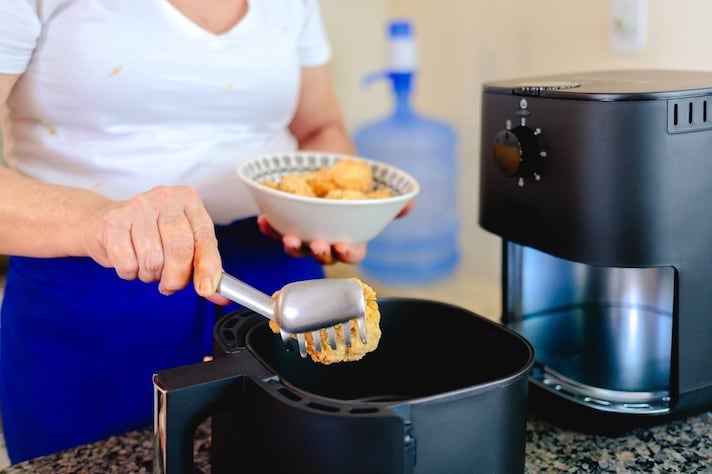
Steel forks, tongs, or spatulas risk scratching the basket's nonstick coating: this means the fryer may gradually perform worse, lasting less than expected. Indeed, manufacturers themselves recommend using silicone or heat-resistant plastic accessories for removing or moving food.
4. Not Shaking or Turning Food
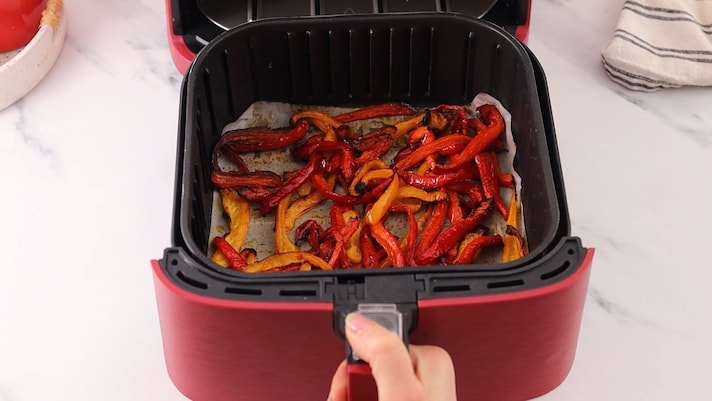
Cooking in an air fryer is very practical and quick: to encourage air circulation on every part of the food inserted, it is often necessary to shake the basket or stir the food while it is cooking: this is often an action that is requested halfway through the cooking time, especially if you have chosen to bring nuggets, French fries, or gratin vegetables to the table, precisely because if the position remains the same, one part will tend to become too dry, while the other remains pale and mushy.
5. Not Preheating When Needed
An often overlooked step is preheating, a function present in air fryers and indicated on models with the symbol of three wavy vertical lines. This function takes a short time, between 3 and 5 minutes (much less than that of a traditional oven) when the appliance is empty. This step is not mandatory, but it can be useful for recipes that require a suitable starting temperature for better cooking, such as leavened products, meat, and fresh vegetables, while it is generally not necessary for frozen foods. Depending on the model, preheating can be automatic or can be set.
6. Adding Too Much Oil
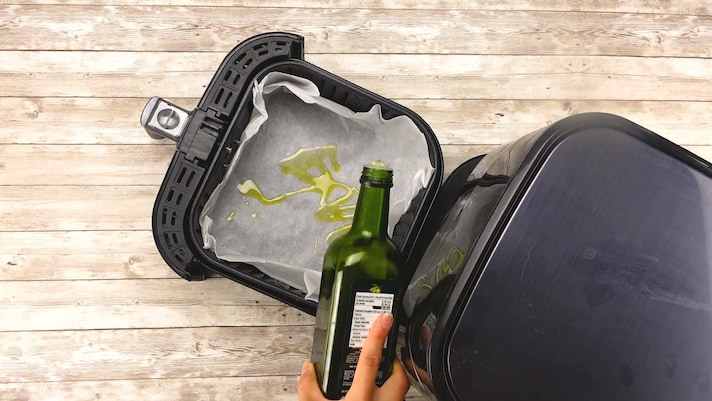
One of the advantages of the air fryer is the reduction in fat use when cooking (not just frying). Using too much oil is not only useless for a successful dish, making it heavier and greasier, but it can also create smoke and quickly dirty the entire basket. In most cases, a very small amount of oil is enough, even better if misted with a spray bottle. Note: almost all models are now made of non-stick material, so there's no need to add oil for fear of food sticking.
7. Using Parchment Paper or Tin Foil The Wrong Way
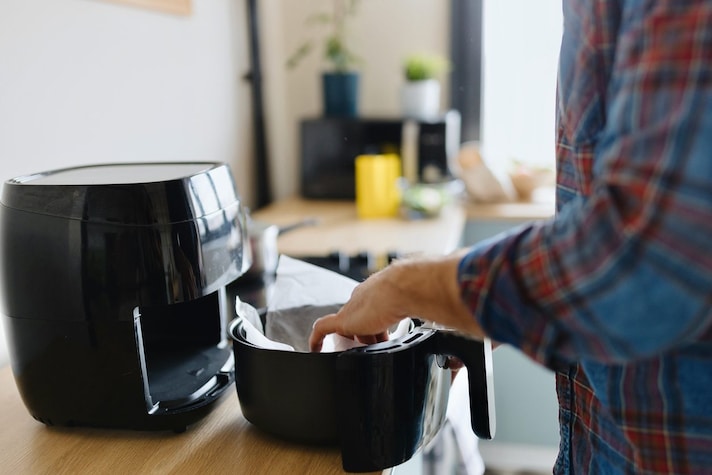
One of the most common questions is whether sheets of parchment paper or aluminum foil are allowed. The answer is yes, their use is not prohibited, but caution is required. They should never be inserted without food on top, as the airflow could lift them and cause them to come into contact with the heating element (just like with individual muffin tins). Overly large sheets that completely cover the bottom should also be avoided, as they limit ventilation. As for parchment paper, there are types specifically designed for air fryers, in trays or disposable perforated tissue paper.
8. Removing The Internal Grill
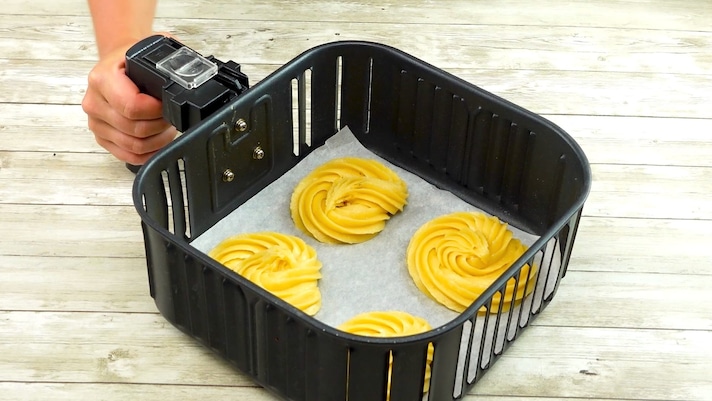
We've seen that stuffing the drawer of your appliance isn't a good idea: similarly, removing the bottom rack in the hope of increasing the capacity of the basket isn't recommended. The reason? The rack maintains space between the bottom of the appliance and the food, allowing air to flow underneath and, consequently, ensuring proper cooking.
9. Not Cleaning Your Air Fryer
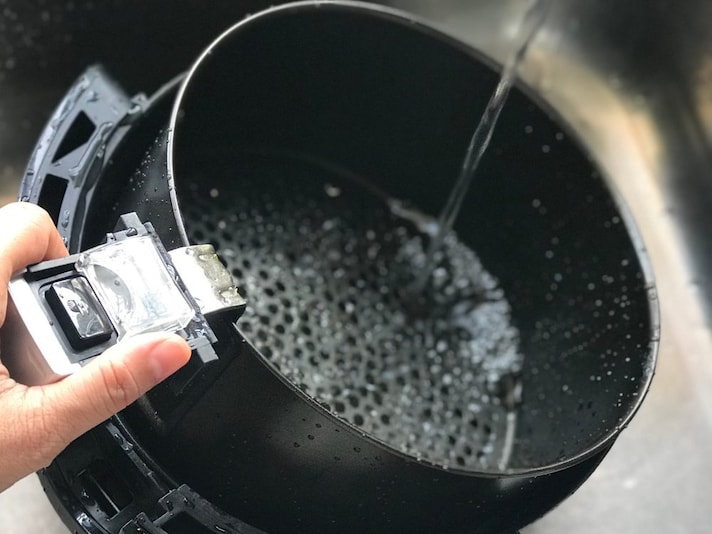
Neglecting cleaning is a mistake that applies not only to air fryers, but to appliances in general, as proper maintenance helps them function better and last longer. Burnt-on food residue, grease, and crumbs can cause unpleasant odors, as well as altering flavors in subsequent cooking processes. Therefore, after each use, remove dirt from the basket and the interior once the appliance has completely cooled. Avoid abrasive sponges and scouring pads, as they can damage the non-stick coating. Some models allow you to wash the basket in the dishwasher; otherwise, wash by hand.
10. Poorly Positioning the Air Fryer
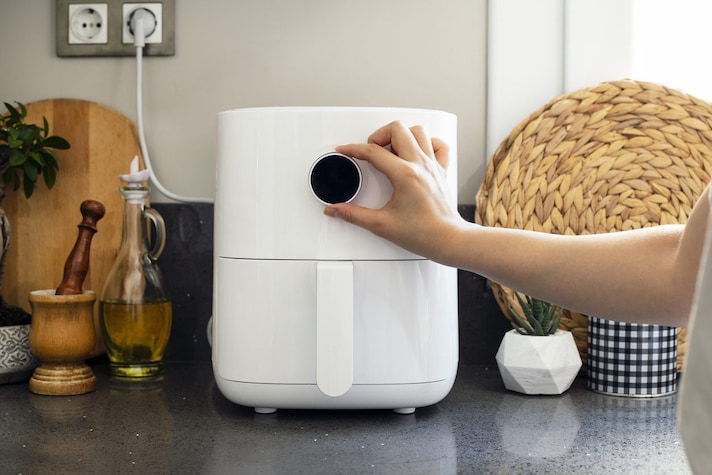
Finally, the placement of the air fryer in the kitchen also plays a role: by now we understand that it is an appliance that produces a lot of heat and therefore requires space to disperse the hot air. Placing it too close to walls, furniture, or other appliances can compromise ventilation and overheat the surrounding surfaces. It is always advisable to leave a few centimeters of free space around the appliance, especially at the back and top, and to have a sturdy support surface.
;Resize,width=767;)
