
If you love beach holidays, we recommend a destination where, despite its crystal-clear waters, the sea isn't the only protagonist: we're talking about the Basque Country, an autonomous community in northern Spain. Here, history and gastronomy intertwine for an experience that will make your trip unique. Eating in the Basque Country is a gift for the palate and the five senses. Experts say so, claiming the "secret" lies in knowing how to perfectly exploit the raw materials of the land and, above all, the sea. Now imagine strolling through the sunny streets of San Sebastian or Bilbao with a glass of chilled Txakoli (a Cantabrian white wine) in hand: here, flavors fused with the sea and the most authentic tradition await you. In this article, you'll find ten famous Basque Country dishes you absolutely must try during your trip.
1. Pintxos
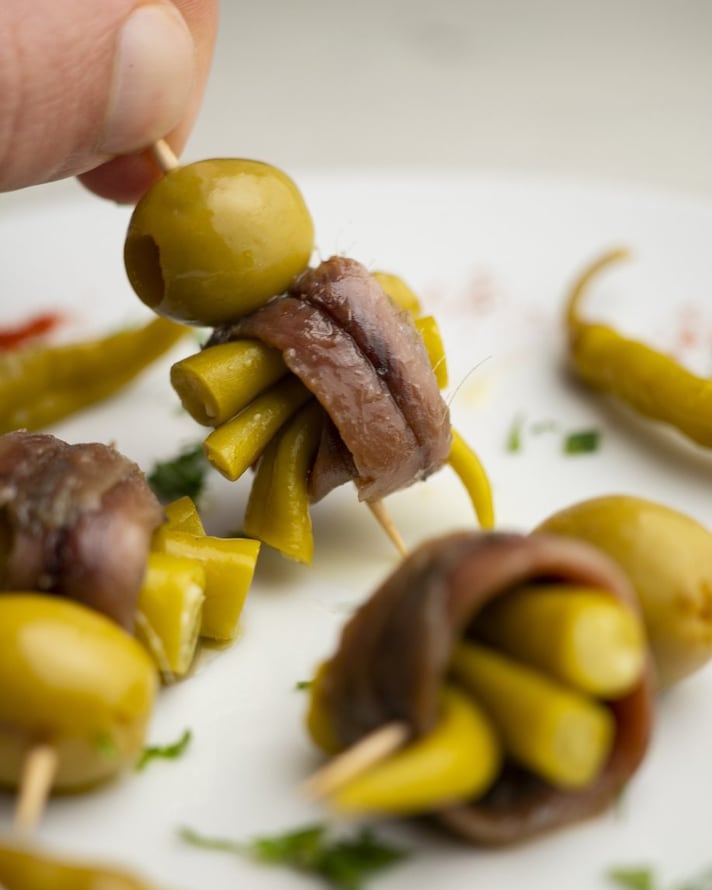
While not a single dish, pintxos (or pinchos) are the most famous dish in Basque cuisine and a fundamental part of the local culinary culture. These are tapas-like snacks that, in our country, might be called "appetizers." They are often served on a slice of bread and held together with a wooden toothpick. In Bilbao, pintxos are displayed on bar counters and represent a variety of culinary creations, both traditional and innovative, made with local, high-quality ingredients. Among the most famous is the gilda, an olive accompanied by a Cantabrian anchovy and pickled Ibarra chili, pierced with a toothpick. It originated in the 1940s at the Casa Vallés bar in San Sebastián and is considered the dish that gave birth to pintxo culture.
2. Bacalao al Pil-Pil
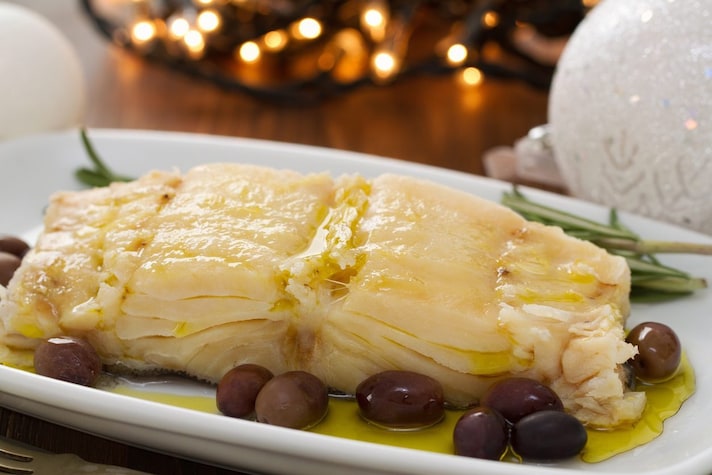
As mentioned previously, Basque cuisine is closely linked to seafood, thanks to its excellent geographic location, which provides a wide variety of fresh fish. Here, we're talking about bacalao al pil pil. This term is simply an onomatopoeia for cod, which is sautéed in oil and garlic, creating the "pil-pil" sound. It's a symbol of Basque cuisine, requiring a rather elaborate preparation. The distinctive feature of this dish lies in the ability to emulsify the gelatin from the fish skin with oil, stirring vigorously to create the characteristic sauce. This technique can also be applied to kokotxas, a part of the cod found at the base of the jaw.
3. Marmitako
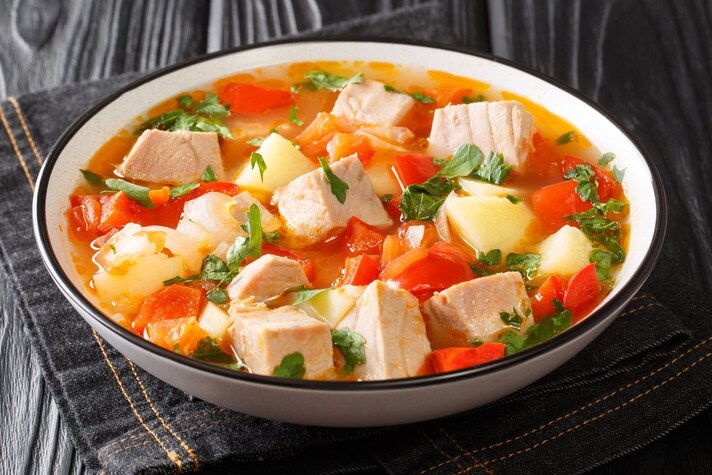
Another Basque Country specialty, marmitako is also known as "fishermen's stew" and is a popular dish during the winter months because it's essentially a soup. Its origins lie in the men who, waking up at dawn to go fishing, would cook this dish directly on their boats. It's a bonito (tuna) stew cooked with potatoes, peppers, and onions. It's called marmitako because the pot it's cooked in is called a "marmita." Today, it's become a regional comfort food, served in coastal taverns or prepared for special occasions. Its secret lies in the slow cooking, which makes it even more flavorful.
4. Porrusalda
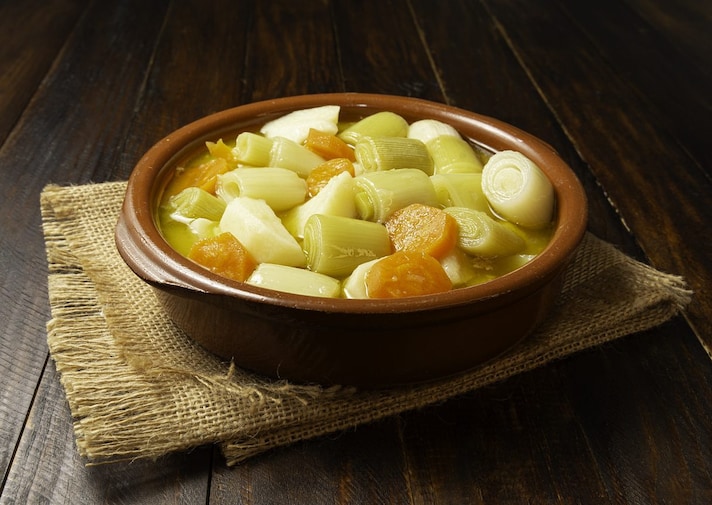
Like marmitako, porrusalda is a winter dish eaten with a spoon. It's a humble, delicate soup made with vegetables like leeks, potatoes, and carrots. Originating from rural tradition, it can also be enriched with fresh fish, depending on availability. A home-cooked dish, perfect for warming up during the winter months.
5. T Xuletón (Chuletón)
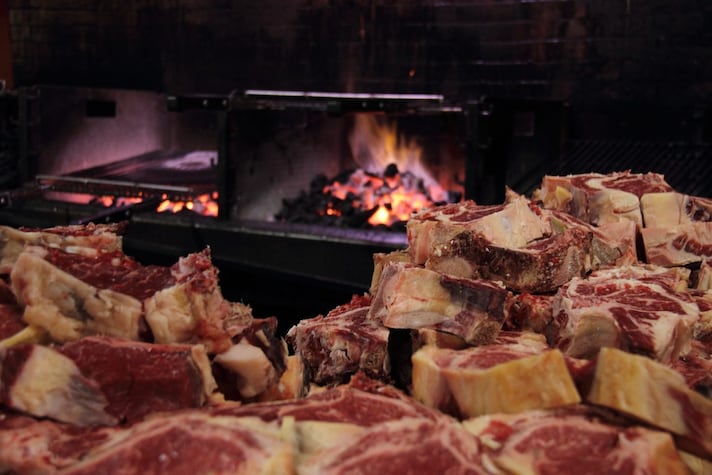
From the sea to the hinterland: txuletón is among the most popular meat dishes in the Basque Country. It's a huge beef steak grilled with coarse salt and accompanied by potatoes or peppers. Essentially, it's not much different from the typical dishes we prepare in the U.S. during barbecues. However, the meat is taken from a breed typical of that region and is obtained only from adult cattle. Highly marbled, the excellent flavor is due to the animal's age, and it's served over five centimeters thick. Traditionally, it's grilled over coals, leaving the inside rare.
6. Chistorra
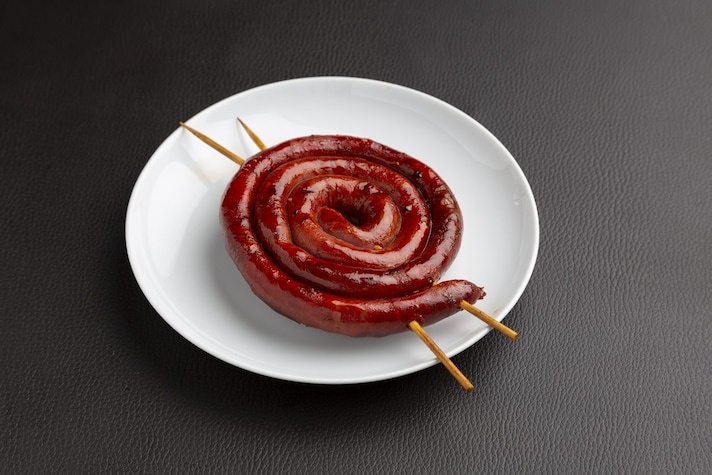
Let's stick to the meat. Chistorra is a typical Basque sausage, similar to chorizo but thinner and longer. It's made with finely minced pork, bacon, and spices such as garlic, salt, and especially paprika. It's the paprika that gives chistorra its deep red color. Traditionally, it's grilled or pan-fried and often served with bread or as a pintxo. Its flavor is bold and slightly spicy, making it a popular tapas favorite throughout Spain. It can also be enjoyed as street food, washed down with a pint while strolling through the beautiful Basque towns.
7. Idiazabal
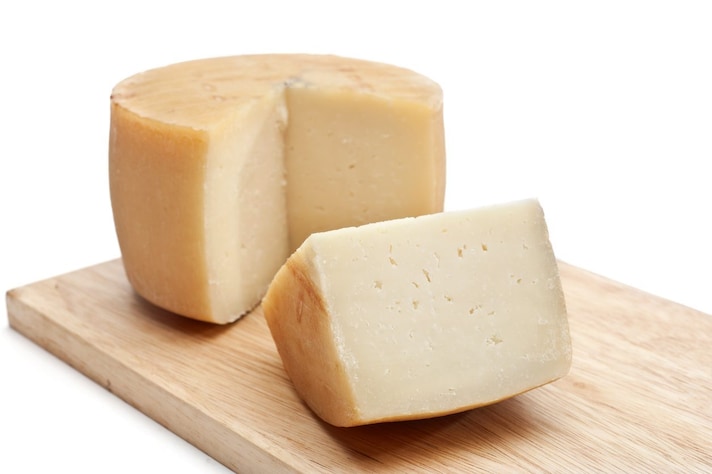
Idiazabal is a Basque cheese. Made entirely from sheep's milk from the Latxa and Carranzana breeds, it is a full-fat product that matures for a minimum of 60 days. Recognized as a Protected Designation of Origin (PDO), it has been declared a European Gastronomic Heritage. The flavor and aroma of this cheese are very intense and consistent, thanks to the pronounced character of the matured sheep's milk. It can be eaten plain, sliced as tapas, or even in more elaborate recipes. It pairs perfectly with nuts, red wine, or cider. It is also excellent in salads or in desserts like cheesecakes or puddings.
8. Txipirones En Su Tinta
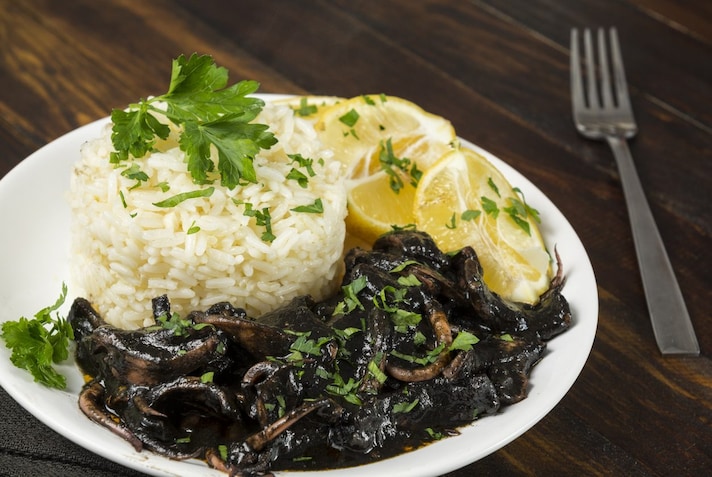
Literally, "txipirones en su tinta" means squid in its own ink. In the Basque Country, squid is an integral part of the cuisine, and the most traditional way to prepare it is using its ink. It's served with white rice, and the squid used are of the highest quality because they're caught individually with a pole or fishing line. The secret to making this dish particularly tasty is the quality of the product, which must be extremely fresh.
9. Pantxineta
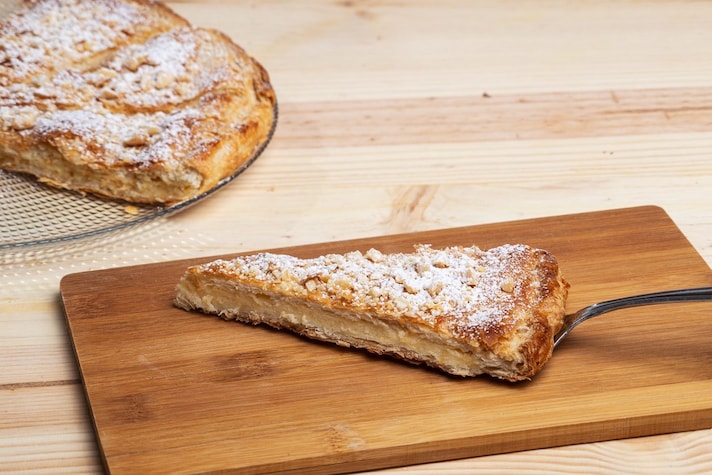
The last two of the most famous Basque dishes are obviously desserts. Pantxineta is a puff pastry dessert filled with custard and topped with flaked almonds and powdered sugar. It can usually be eaten hot or cold, but it's even tastier when reheated.
10. Basque Cheesecake
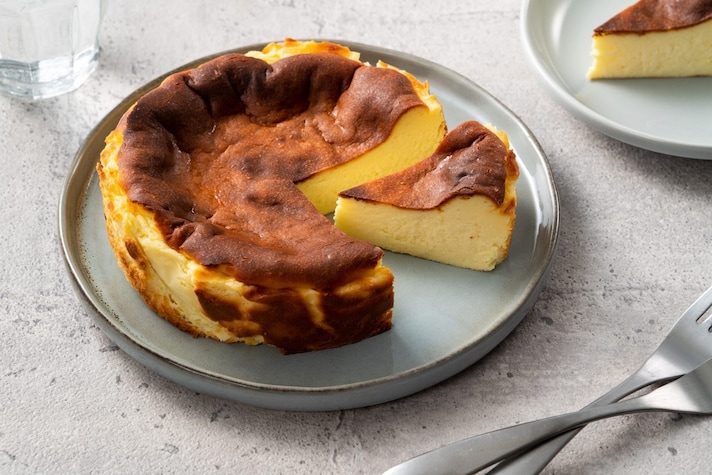
A dessert that has become legendary in the world of pastry making. Originating from the La Viña bar in San Sebastián in 1988, this isn't the usual cheesecake we know. San Sebastian cheesecake is a dessert made with the typical cheese (idiazabal, which we mentioned earlier). Unlike the traditional version, this one doesn't have a biscuit base but is characterized by a very dark, almost burnt surface. Excellent with melted milk chocolate or a berry coulis, salted caramel sauce, and much more. A dessert with a soft texture that is very reminiscent of the Japanese cheesecake, very famous in the city of Osaka.
;Resize,width=767;)
