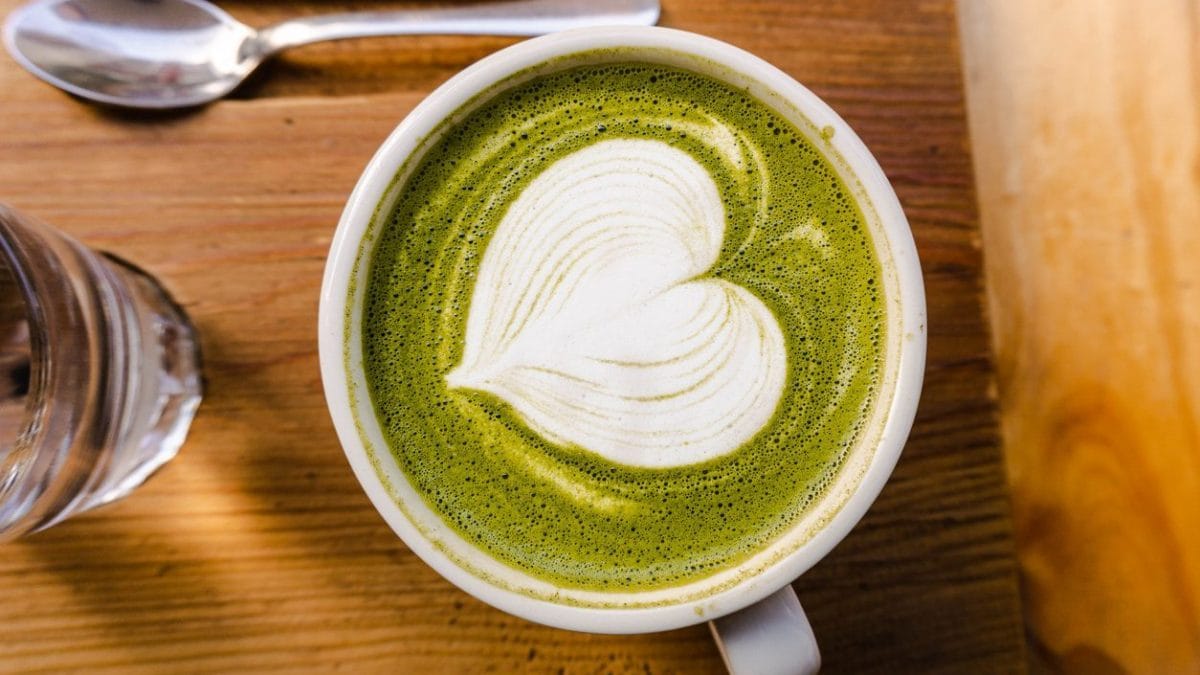
A delightful ritual, essential for most people, coffee is much more than just a drink. A break from work, a post-lunch recharge, a moment spent with friends or colleagues—in short, any excuse is a good one to enjoy that beloved cup of black gold. Prized for its distinctive flavor and aroma, it's invigorating and provides an immediate, and invaluable, energy boost.
However, there is a limit that should not be exceeded (about 300 mg per day, equivalent to 3-4 cups), beyond which a series of side effects can arise, including tachycardia, nervousness, difficulty falling asleep, and worsening sleep quality. Caffeine, in fact, belongs to the alkaloid family, very powerful substances with a strong stress-relieving effect. They stimulate wakefulness but, at the same time, by acting directly on nerve cells, they make us restless and in a constant state of agitation and fibrillation.
Furthermore, the presence of tannins hinders digestion and creates intestinal irritation and inflammation: this is why those suffering from gastritis or ulcers should greatly limit its consumption or even avoid it altogether.
So what should we do? Are there any viable alternatives to coffee that can provide us with the same energy, energy, and mental focus as coffee? Absolutely. We've identified fifteen: some with less caffeine than coffee, others completely caffeine-free, all natural, rich in antioxidants and beneficial properties. Some are better known, others less so; it's worth experimenting with them all and seeing which ones are truly right for us.
10 Coffee Alternatives With Caffeine
1. Black Tea
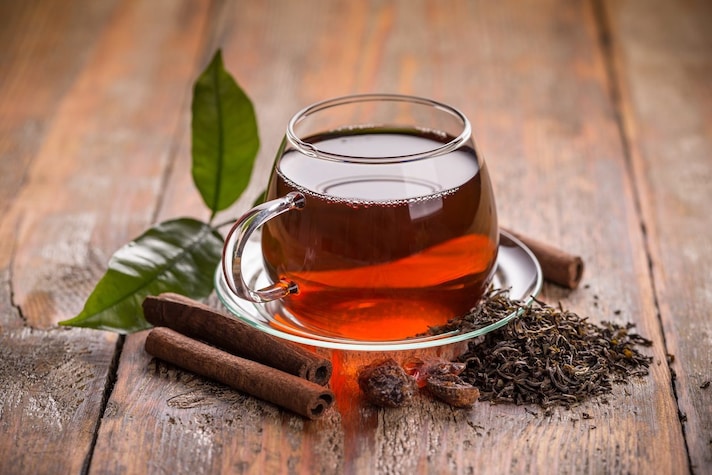
Highly prized throughout the world, black tea is a beverage of ancient Eastern origin, obtained by infusing the leaves of the Camellia sinensis plant, the same plant used for green and white tea. Unlike green and white tea, black tea leaves undergo complete fermentation, a process that gives them their dark color and distinctive flavor.
Among the most famous types, we find Assam, with a strong, malty flavor, Earl Grey, a black tea flavored with bergamot, and Darjeeling, lighter and more floral, nicknamed the "champagne of teas".
Black tea contains caffeine, but in lower quantities than coffee (about 20mg per 100ml of infusion), and its consumption still has a stimulating and energizing effect. The presence of theanine, a natural amino acid with relaxing and sedative properties, combined with caffeine, improves concentration without causing nervousness. Rich in antioxidants, specifically flavonoids and polyphenols, it can help fight free radicals, reduce oxidative stress, and improve concentration and mental focus.
2. Green Tea
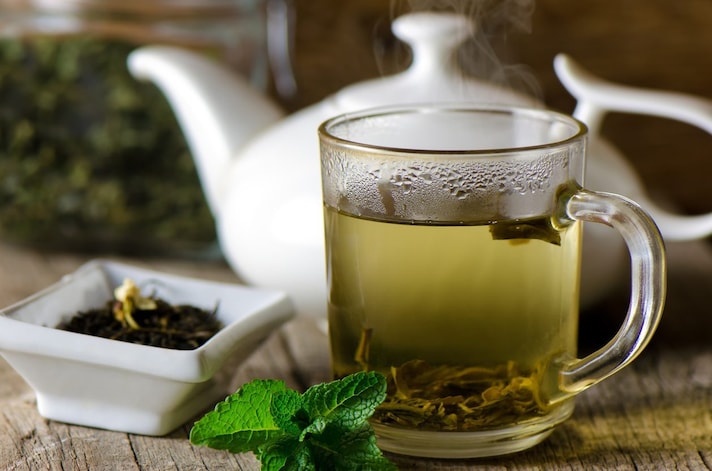
An excellent alternative to classic espresso, green tea is a beverage made from the leaves of Camellia sinensis, the same plant used for black tea. In this case, however, after harvesting, the leaves are dried at low temperatures—by steaming or roasting—to halt the oxidation process, thus maintaining their natural green color and a fresher, more vegetal flavor profile.
Depending on its origin and processing method, green tea can have a sweeter and more delicate flavor, a more herbaceous flavor, or even a more robust and smoky one. Among the most famous types are the highly prized matcha tea and sencha, the most popular in Japan.
Its richness in antioxidants, particularly catechins, makes green tea a beverage with exceptional health benefits: from fighting free radicals to preventing cardiovascular and neurodegenerative diseases, it's a true elixir of well-being. Always enjoy in moderation and in the right doses: although it contains less caffeine than coffee, it's still a stimulant and has stimulating effects on the nervous system.
3. Matcha Tea
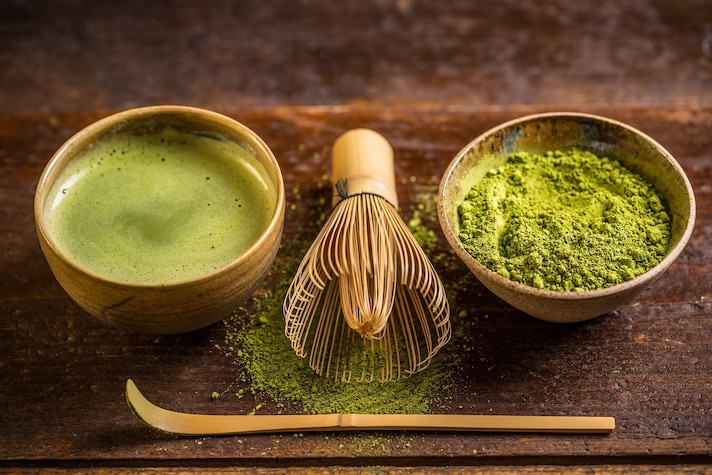
It is considered the king of green teas. It is a highly prized variety, grown exclusively in Japan but originally from imperial China. Its leaves, grown sheltered from the sun, are hand-picked by farmers, steamed, dried, and then ground in stone mills. This elaborate process yields a very fine, fragrant powder with a characteristic emerald green color.
Unlike traditional green tea, whose leaves are infused in hot water, matcha, once finely ground, is dissolved directly into the drink and used in the traditional tea ceremony.
Extraordinarily rich in vitamins, particularly B1, B2, and C, minerals, polyphenols, chlorophyll, and carotene, matcha tea—also known as the elixir of Buddhist monks—promotes a state of alertness. It is a powerful natural antioxidant, capable of slowing cellular aging, and also has digestive and detoxifying properties. It also contains caffeine, albeit in very limited quantities, but should be avoided at all costs if you are particularly sensitive or intolerant to this substance.
4. Oolong Tea
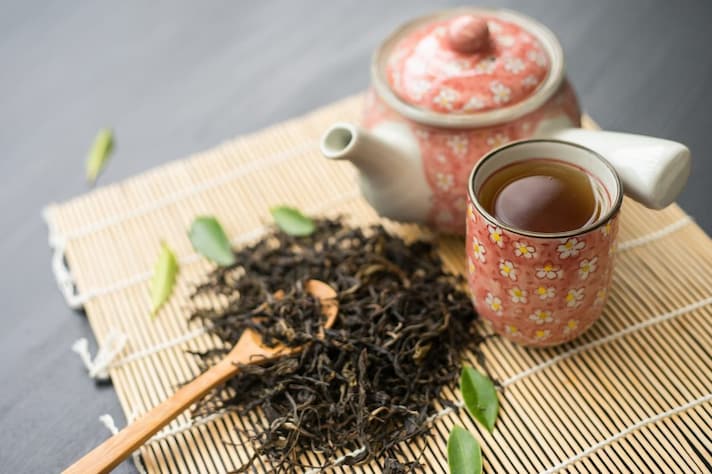
Also known as blue tea or semi-oxidized tea (oolong literally means "black dragon"), it is a variety of traditional Chinese tea. Unlike black tea and green tea, oolong tea leaves, picked fresh and then left to wither in the sun, can be partially or fully fermented. Depending on the processing method and the degree of oxidation, the resulting final products have a wide variety of flavors and aromas.
The first is a lighter and more delicate tea, similar to green tea, while the second is a stronger tea in taste and appearance, much closer to black tea. Flavors can range from floral , fruity, and sweet notes to more roasted, earthy, and bold.
Produced mainly in China and Taiwan, this highly prized beverage is a precious source of antioxidants, polyphenols, and catechins, natural substances that help counteract oxidative stress and protect cells from aging. It also features a good mineral content, such as calcium, manganese, copper, and selenium, aiding digestion, stimulating metabolism, and strengthening the immune system: what are you waiting for? Buy it now!
Furthermore, thanks to its low caffeine content, it is ideal for sipping at any time of the day to improve concentration and mental focus.
5. Chai Tea
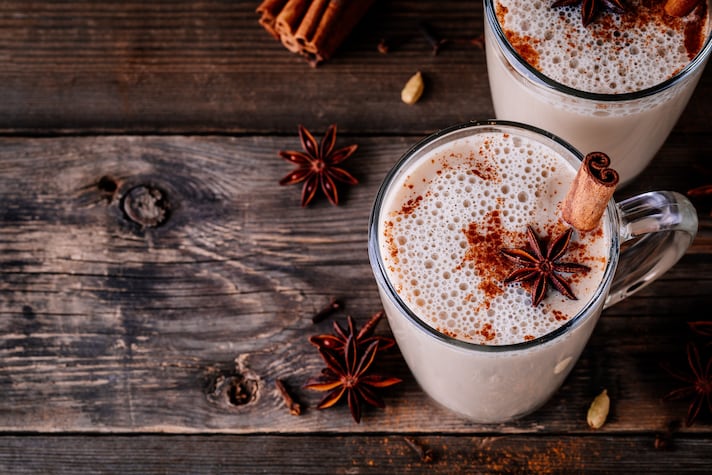
Enjoyed for centuries in India, chai, also known as masala chai, is a spiced black tea enriched with milk and sugar (honey or maple syrup). With a complex, very sweet and smooth flavor, it is prepared in different ways and using different spices depending on the region of India.
Cardamom, cinnamon, cloves, ginger, star anise, black pepper, nutmeg, and vanilla are the most common spices. Once crushed, they're toasted in a small saucepan, then water is added and simmered for about ten minutes. Black tea —usually Assam or Darjeeling— is then added and left to steep. Milk and a sweetener of your choice are then added, the tea is strained, and the tea is enjoyed piping hot.
Thanks to the caffeine contained in black tea and the warming and invigorating spices, it is a particularly energizing drink with anti-inflammatory, antioxidant, digestive, and balancing properties. Perfect for colder days or to sip during a pleasant break, it should be consumed in moderation due to its caffeine content.
6. Mate Tea
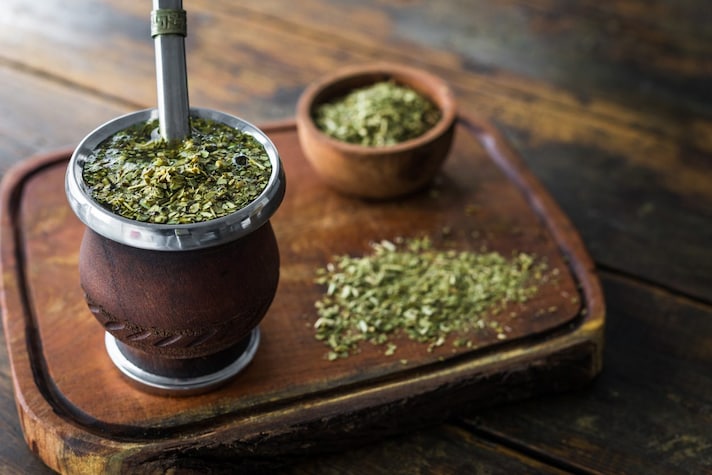
Mate tea, also known as yerba mate, is a traditional South American beverage made from an evergreen plant native to the rainforests of Argentina, Paraguay, Uruguay, and Brazil. With a typically herbaceous and astringent flavor, which can vary depending on its origin and processing method, it is obtained by infusing the dried and crushed leaves in hot, but not boiling, water.
Its consumption, especially in Latin countries, is a true social ritual. Among its most appreciated properties is its energizing and revitalizing effect: this is thanks to its high matein content, a chemical that stimulates the nervous system and improves concentration and focus.
It's a drink with excellent digestive properties, is a diuretic, stimulates the metabolism, and strengthens the immune system. It also contains a small amount of caffeine and should therefore be consumed in moderation; dried leaves can be purchased at herbalist's shops or specialized organic stores.
7. Guarana
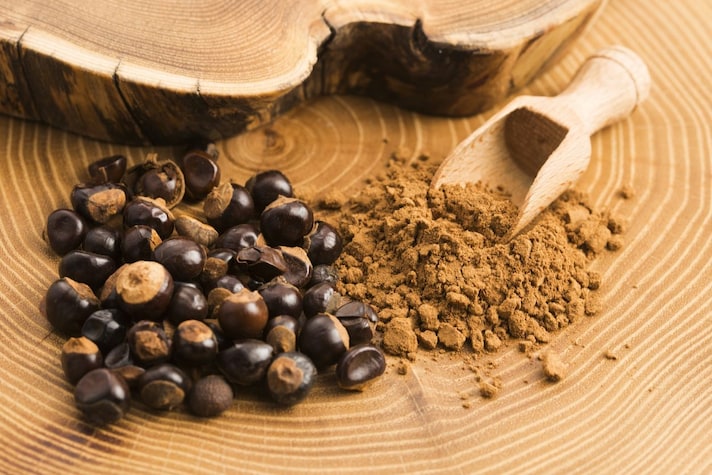
It is a climbing plant that grows in the Amazon rainforest, traditionally cultivated in Brazil, Colombia, Uruguay, and Venezuela; considered an elixir of long life by Indian tribes, Paullinia cupana – this is its scientific name – produces a fruit containing one to three seeds which, once dried and ground, are used to make this drink with well-known stimulant and energetic properties.
In fact, guarana seeds are rich in guaranine, a substance chemically identical to caffeine, which acts on the nervous system, stimulates concentration and digestion, and reduces physical and mental fatigue. It appears to contain an even higher amount of caffeine than coffee, but unlike the latter, its release is slower and more gradual—thanks to the presence of tannins—and the energy effect is more sustained and long-lasting, without the classic crash.
There are several guarana-based supplements on the market, recommended for improving tone and combating fatigue and tiredness. Despite its significant benefits, it's best not to exceed 400 milligrams per day, as excess intake can cause the typical side effects of caffeine, such as insomnia, restlessness, nervousness, and increased heart rate.
8. Decaffeinated Coffee

Recommended for those who absolutely can't give up the taste of coffee, decaffeinated coffee can be a valid alternative for those who are particularly sensitive to caffeine. It's made by subjecting the beans to processes that significantly reduce their caffeine content: they're treated with chemical solutions that leave at least 10 milligrams of caffeine in each cup, a very small amount compared to a regular espresso, but still likely to bother those with a high caffeine sensitivity.
If you experience nervousness, irritability, and palpitations with classic espresso, decaffeinated coffee can be an excellent solution. There are two downsides to consider: its high acidity, which makes it unsuitable for those with heartburn or ulcers, and the extraction method; dichloromethane is typically used, a solvent considered hazardous to human health (according to the World Health Organization, it evaporates during decaffeination).
There's a second method, more expensive and therefore less commonly used, that uses carbon dioxide, avoiding the use of toxic substances. So: decaffeinated, yes, but only if it's of excellent quality.
Caffeine-Free Coffee Alternatives
1. Barley Coffee
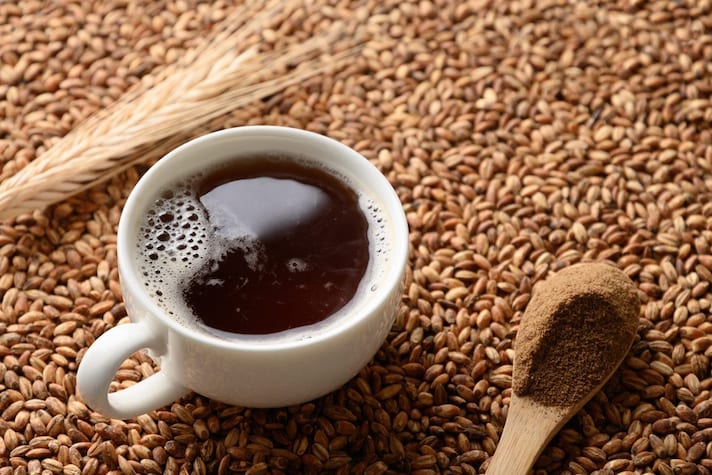
Made from an infusion of roasted and ground barley, this ancient beverage is naturally caffeine-free and a great alternative to a classic cup of espresso. With digestive, anti-inflammatory, and antiseptic properties, it maintains stable blood sugar levels and can therefore be safely consumed by diabetics, heart patients, those suffering from anxiety disorders (due to the absence of caffeine), and pregnant or breastfeeding women.
It contains, albeit in small quantities, vitamins A, B, and E, and minerals, especially phosphorus, potassium, and magnesium, and is rich in antioxidants and fiber. Its nutty, earthy, and slightly bitter flavor is reminiscent of coffee, but more delicate. Since it is a grain, it should not be consumed by those with celiac disease or gluten intolerance.
2. Chicory Coffee
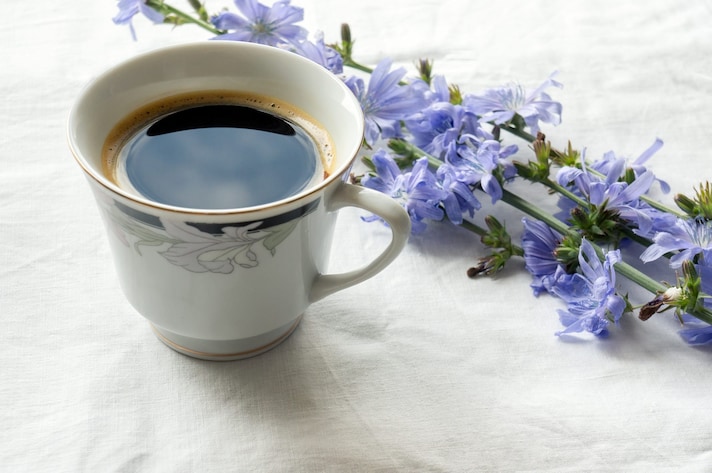
Among the naturally caffeine-free coffee alternatives, chicory coffee has become the most popular in recent years. This beverage, with its characteristic slightly woody and earthy flavor, is made from chicory root (Chicorium intybus): the root is harvested in the autumn, dried, roasted, and then ground into powder.
The resulting powder can be used to make a filtered infusion, but specialty stores also offer it in leaf form or in a ready-made soluble form. Rich in polyphenols, inulin (soluble fiber), vitamins, and minerals, it has digestive, purifying, and antioxidant properties. It also helps rebalance intestinal flora and control blood sugar levels.
3. Ginseng
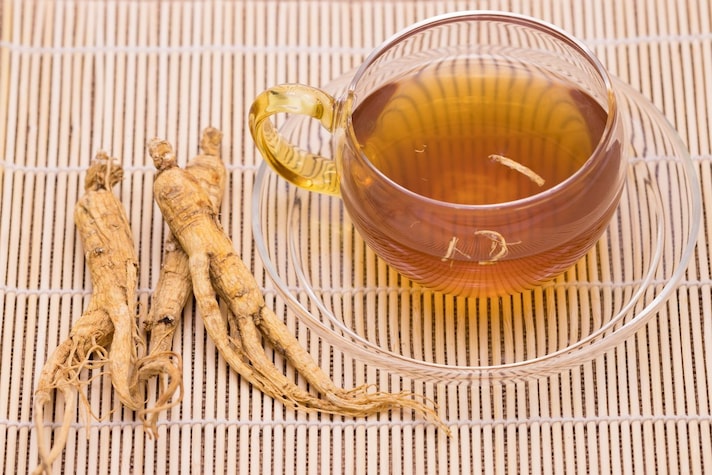
Of Asian origin, ginseng is the root of a perennial herbaceous plant (Panax ginseng) from which a drug is obtained, used for millennia in traditional medicine for its tonic and energizing properties. Useful for countering stress and fatigue, it improves the central nervous system response, attention, and reaction times. Numerous studies also highlight its hypoglycemic properties.
However, avoid the alternative offered in bars or vending machines: it contains a negligible percentage of ginseng and an excessive amount of milk, sugar, hydrogenated fats, flavorings, and stabilizers. It's better to opt for the natural powder (about 2 grams are enough) and dissolve it in hot water, plant-based milk, fruit juice, or any other beverage of your choice.
4. Dandelion Coffee

It's a beverage made from the root of the dandelion plant, Taraxacum officinale, roasted and ground to produce a fine powder with a consistency similar to coffee. Naturally caffeine-free, it has a bitter, earthy flavor, vaguely reminiscent of the beloved espresso.
A good source of vitamins A, C, and K, and minerals such as calcium and potassium, it boasts several benefits for the body: it improves digestion by stimulating the production of bile and digestive enzymes, relieves abdominal bloating, supports kidney and liver function, and has a diuretic and draining effect; it is also rich in antioxidants, which protect our body's cells from oxidative stress.
5. Golden Milk
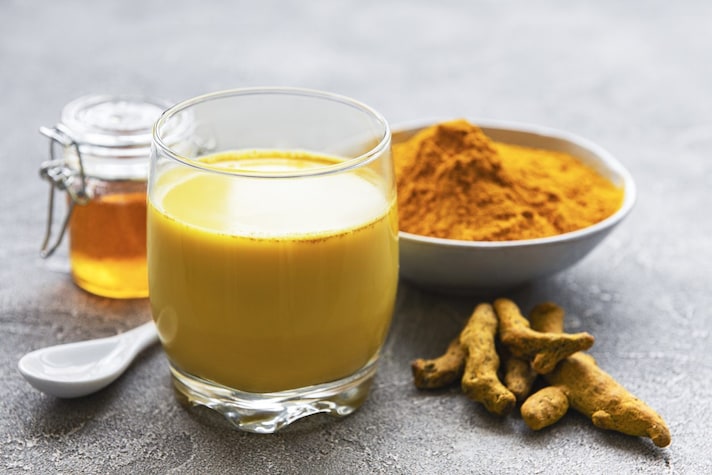
Also known as golden milk, golden milk is an ancient drink used in Ayurvedic medicine. Its main ingredient is turmeric, the spice that gives it its characteristic golden color and has many beneficial properties: curcumin, its active ingredient, is a powerful natural antioxidant and anti-inflammatory.
Making it at home requires a little care and patience. First, prepare a paste of turmeric and pepper, then add extra virgin coconut oil (almond oil can be substituted), a natural sweetener of your choice (such as honey or coconut sugar), and spices to taste, such as cinnamon and ginger. Once ready, this paste can be stored in glass jars for at least a couple of weeks and can be added, in a dose of about a tablespoon, to a cup of cow's or plant-based milk.
The result is a delicious drink with countless benefits, especially perfect during times of high stress, fatigue, and chronic fatigue. It is said to have many benefits: it appears to have anti-inflammatory properties, thanks to the spices, improve mood and brain function, stabilize blood sugar levels, aid digestion, and support the immune system.
6. Rooibos
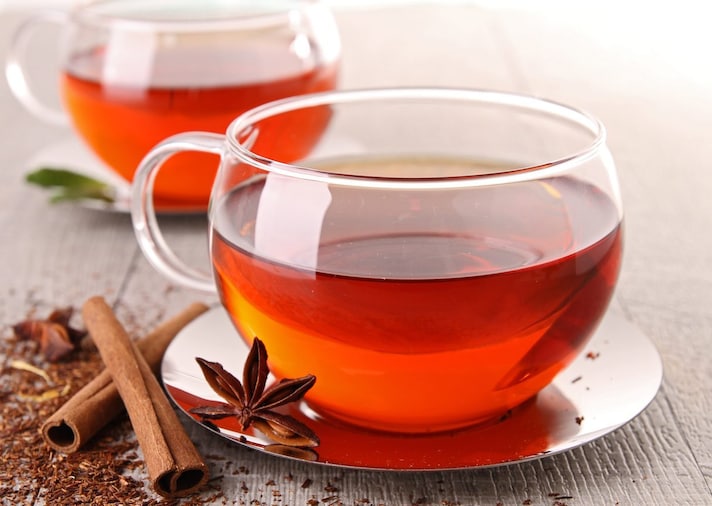
Also incorrectly called "red tea," rooibos is a traditional South African beverage made by infusing the dried leaves of a shrub (Aspalathus linearis) native to the Cederberg region. Bright red in color, and with a naturally sweet and slightly nutty flavor, rooibos is caffeine-free, making it a great choice for anyone looking for a great alternative to coffee, a great drink to enjoy at any time of day.
Its modest tannin content also gives it a less astringent and bitter flavor than green and black tea. It is also characterized by its richness in polyphenols, known for their antioxidant properties, and mineral salts, particularly calcium, potassium, magnesium, and iron.
Excellent to enjoy as it is, or with the addition of a slice of lemon, fresh ginger or milk, it can be sweetened to taste with sugar, honey or erythritol, for a drink with a very low glycemic impact.
7. Raw Cocoa
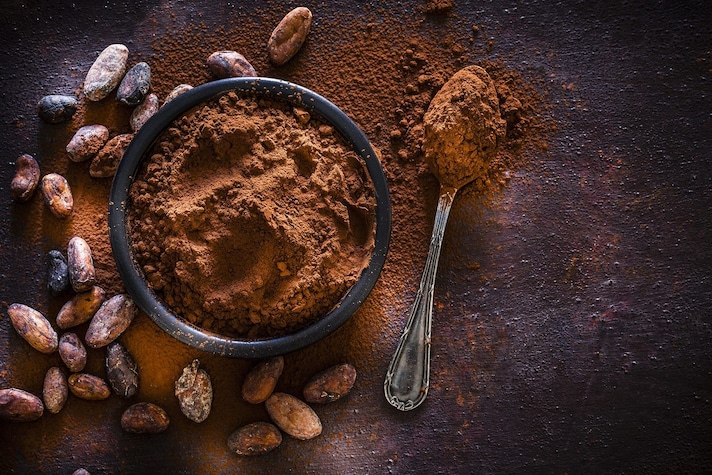
Made from unroasted cocoa beans, raw cocoa, unlike roasted cocoa, is processed at low temperatures, thus preserving its organoleptic and nutritional properties. Its powder, lighter in color than traditional cocoa, is an excellent source of antioxidants. Rich in magnesium, it is a valuable ally for athletes, preventing cramps and relieving muscle tension; it also contains good levels of iron, potassium, and zinc.
It contains theobromine, an alkaloid similar to caffeine, with a mild diuretic, cardiotonic and vasodilatory action, and tryptophan, an essential amino acid precursor of serotonin: for this reason cocoa can be considered a true natural antidepressant.
As if all this weren't enough, it's also super delicious and irresistible: just one or two teaspoons dissolved in a cup of cow's or plant-based milk are enough to fully enjoy its aroma and flavor, and restore your good mood.
;Resize,width=767;)
