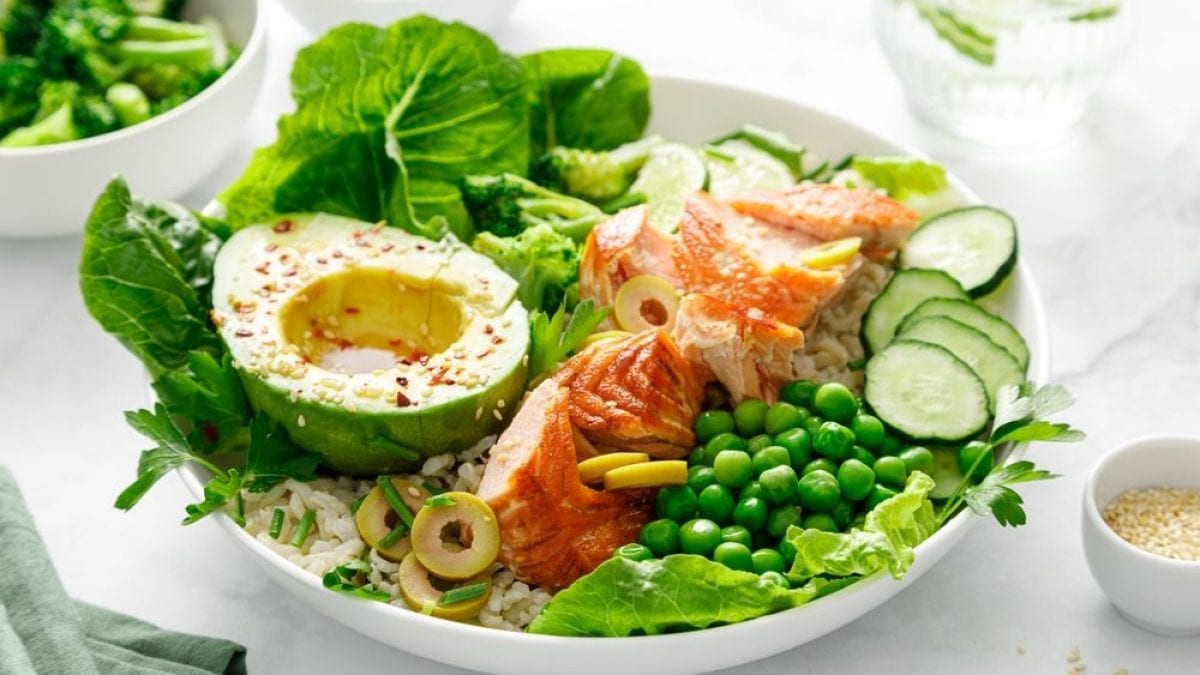
The term "detox" has been in common parlance for a long time now: we often hear it associated with diets that promise to eliminate accumulated toxins in the body, especially after periods of overeating. It should be made clear right away that there's nothing miraculous about it: we're talking about common foods that, thanks to their nutritional profile, help support the body's natural cleansing functions, particularly those of the liver, kidneys, and intestines, unlike other products that, when consumed, strain or compromise them. Certain vegetables, fruits, and legumes, in fact, when included in a classic, varied and balanced diet, help support digestion, combat water retention, reduce abdominal bloating, and, essentially, restore balance after a period of overeating. The reason? They're rich in water, fiber, vitamins, antioxidants, and phytochemicals that can stimulate the metabolism and promote waste disposal. Let's discover the most popular ones, perfect for everyday meals.
There are artichokes and fennel, apples and pineapple, ginger and turmeric: they are easy to find and allow you to detox at any time of the year, depending on their seasonality. The best way to reap all their benefits is to combine them with other wellness allies such as whole grains, fish and lean meats, for light dishes. At the same time, it is necessary to avoid red meats, cured meats, ultra-processed foods, alcohol, carbonated drinks, all products that generally contain large amounts of salt, added sugars and additives. What should never be missing is water: you should know that drinking enough throughout the day is the first detox step you can take. Compared to other drinks, prefer herbal teas, natural infusions, and flavored waters. That said, below is a selection of 19 naturally detoxifying foods.
1. Artichokes

Let's start with one of the vegetables best known for its purifying properties. The artichoke contains cynarin, a polyphenol that, in addition to giving it its characteristic bitter taste, stimulates bile production and helps the liver metabolize fats better. Its action is especially useful after periods of heavy eating, where fried foods and alcohol have been consumed in excess. Opt for the vegetable raw, as in this carpaccio, or in herbal teas.
2. Fennel

Valued for its digestive and bloating-reducing properties, fennel is rich in water and low in calories and promotes the elimination of toxins through urine. It is a valuable ally against water retention and abdominal bloating, thanks to its carminative action (that is, it expels gas that has accumulated in the stomach and intestines). It can be consumed raw, cooked, or in the form of herbal teas and infusions.
3. Lemons

The popular citrus fruit is an excellent source of fiber, potassium, and vitamin C, which help fight free radicals and strengthen the immune system. Its acidity is due to the presence of malic acid and citric acid, substances that, in addition to facilitating the absorption of iron, aid metabolism and protect kidney health. But beware of false myths: a glass of water and lemon drunk on an empty stomach in the morning is not a magic slimming potion, but it can help activate the intestines and keep you hydrated.
4. Ginger

Ginger is a root with multiple qualities: anti-inflammatory, digestive, antimicrobial. It promotes gastric motility and reduces the sensation of nausea and heaviness. It is recommended in herbal teas, detox waters, and belly-deflating drinks.
5. Turmeric

Turmeric is known for its powerful antioxidant and anti-inflammatory properties, due to the presence of curcumin (responsible for the spice's orange color). It can protect cells from damage caused by oxidative stress and stimulate the liver: it is recommended for relieving gastric disorders caused by heavy digestion and for activating intestinal motility.
6. Cauliflower

Cauliflower belongs to the Cruciferae family and is an important source of vitamin C, fiber, and phytonutrients. It has a beneficial effect on the liver, helping it cleanse itself and eliminate waste products. In this case, steam it in a mix of vegetables to keep the nutrients more intact.
7. Broccoli

Broccoli is also part of the large Cruciferae family: it has a high content of sulforaphane, a compound that promotes the activation of the liver's detoxifying enzymes. It also contains vitamin C, fiber, and antioxidants that help improve digestion.
8. Beets

Beetroot contains betaine and anthocyanins, which help support liver and circulatory function. It has a tonic and blood-purifying effect and promotes the body's natural cleansing by stimulating diuresis.
9. Cucumbers

Composed of more than 95% water, cucumbers are a vegetable with strong hydrating and diuretic properties. They are also refreshing and low in calories: excellent in summer salads and flavored waters, as they help maintain a feeling of lightness. Being part of the Cucurbitaceae family, cucumbers can be indigestible for some people, as is the case with eggplants and melons.
10. Celery

Not just sautéed vegetables and dips. Celery is an often overlooked vegetable, but it has remarkable purifying properties. It promotes diuresis and helps eliminate excess sodium, helping to rebalance blood pressure. It's rich in potassium, fiber, and natural antioxidants that help improve intestinal and kidney function: nibble on it as a snack.
11. Asparagus

A staple in many spring recipes, asparagus contains glutathione, one of the most important molecules for cellular detoxification, as well as an anti-aging ally for the skin. A natural diuretic, it helps purify the body and is rich in antioxidants and fiber.
12. Apples

There's a reason why an apple a day keeps the doctor away. This simple yet beneficial fruit, thanks to the presence of pectin, regulates intestinal transit and helps absorb toxic substances in the digestive tract. It also helps control bad cholesterol. Eat it in bites, or as an ingredient in digestive herbal teas or decoctions, the latter being particularly useful for both diarrhea and constipation.
13. Pineapple

Juicy, naturally sweet, and with a touch of exoticism that never hurts. Pineapple, besides being refreshing and thirst-quenching, promotes the drainage of body fluids. It is thus useful for combating bloating and water retention: to make the most of it, drink its juice, without adding sugar, or add it to fruit salads.
14. Garlic

Besides being long known (and used) as a natural antibiotic, garlic has detoxifying and purifying properties. It can support the body's toxin elimination processes, promoting the function of the liver, gallbladder, and intestines. Its action is also valuable for strengthening the immune system and protecting against infections and inflammation. Eating a clove of raw garlic a day is certainly not a panacea for all ills, but this belief contains a truth: that is, the food is more effective when uncooked.
15. Flaxseeds

We might call them small, but they mighty: flaxseeds are a veritable goldmine of nutrients beneficial to daily well-being. Rich in omega-3s, lignans, and mucilage, they have an emollient effect on the intestines and help maintain healthy bowel movements. If consumed regularly, added to yogurt, soups, or salads, they help rebalance the intestinal flora: avoid overdoing them, as they could have a laxative effect.
16. Avocado

Avocado, with its buttery texture and good nutritional profile, is a smart choice when you're looking for a light meal without sacrificing substance. It provides unsaturated fats, vitamin E, and compounds that support cellular defense mechanisms. Including it in your diet helps improve the anti-inflammatory response and promote liver health.
17. Lentils

Versatile and nutritious, lentils are a must-have for detoxing. They contain soluble fiber, which helps keep the intestines clean, while iron, magnesium, and B vitamins support energy levels. Like all legumes, they tend to cause bloating in those who aren't used to them, so it's recommended to introduce them gradually, in small amounts, gradually increasing them, monitoring your body's response.
18. Radishes

With a pleasantly spicy (almost fizzy) flavor and a crunchy texture, radishes are a vegetable to be emphasized by those following a low-calorie diet. They are known for their diuretic and detoxifying properties: they stimulate proper liver function and improve digestion. Their water and vitamin C content also makes them useful for combating water retention and improving the appearance of the skin. Enjoy them raw: they add color and freshness to any dish.
19. Parsley

Often relegated to a simple garnish, parsley is actually one of the most useful foods for detoxifying, and no, it's not toxic. It's considered a true natural diuretic, capable of purifying. Rich in potassium, chlorophyll, and antioxidants, it supports urinary tract health, reduces swelling, and helps prevent kidney stones.
;Resize,width=767;)
