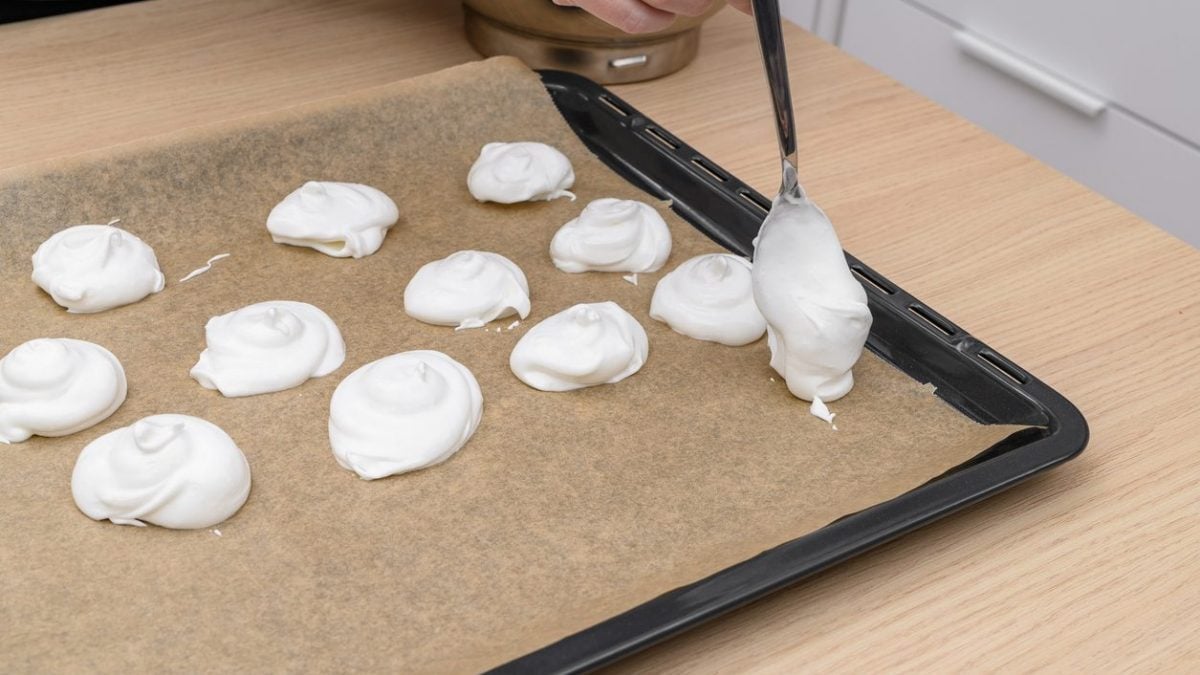
Parchment paper is one of those tools we've learned we can't do without in the kitchen: it's a waterproof paper that's laid out on the bottom of baking pans and molds, primarily used for baking. Thanks to its non-stick properties, which prevent food from sticking to pans and molds, it has become an indispensable kitchen tool. It's undoubtedly a very useful accessory, but perhaps less irreplaceable than you think: if you've run out of parchment paper, or simply want to try a different method, there are several alternatives you can use to obtain exactly the same results. Here are the best alternatives to parchment paper.
Today, baking paper is considered indispensable for many preparations, but if you think about it, baking has always been done in ovens, long before this tool was introduced on the market. Finding alternatives to baking paper means reviving some of the methods our grandmothers used, or using new tools designed to reduce waste, given that baking paper is disposable.
1. Butter and Flour

The first option is the most classic, and we're sure you've seen it used at least once by your grandmother or mother: use butter and flour to coat the object in which you'll bake your dough, be it a baking pan or a mold. It's typically used for desserts and simply involves buttering the bottom of the pan or baking dish, making sure to leave no uncovered spaces (otherwise the dough might stick to those areas), adding a couple of tablespoons of flour, tilting the pan to distribute it evenly, and then inverting it to remove the excess flour. You'll find that your cake won't stick using this technique, but remember to remove it only when it's cooled; otherwise, even the butter and flour won't be able to do anything, and the cake might stick or fall apart anyway.
2. Butter or Oil Spray

A recent and very useful invention is butter spray, or butter sold in cans that can be sprayed directly onto molds and baking sheets. It's a widely used product in pastry shops because it's practical, quick, and has a long shelf life: just spray a little and you're done—you don't even need to add flour. Butter spray is readily available, especially online and in stores that sell kitchen supplies.
3. Extra Virgin Olive Oil

Another plant-based alternative, especially useful for cooking savory dishes like pizza and quiches (but also great for desserts), is extra virgin olive oil, which you can brush onto baking sheets or baking trays. Remember to choose a quality oil so as not to compromise the final result of the recipe, especially in terms of flavor. Spread it evenly but sparingly, without overdoing it, to avoid making the food too greasy once cooked. If you add too much oil, you can blot the excess with paper towels, so the pan will still be well-greased.
4. Silicone Oven Mats or Sheets

A recently invented but now widely used solution, because it's extremely convenient, is the non-stick silicone baking mat. This coating can withstand both very high temperatures, like those of the oven, and very low temperatures, like those of the freezer, where food doesn't stick. It's also easy to wash with water, allowing you to reuse it. Suitable for both sweet and savory recipes, it's odorless, and considered safe because it's made of food-grade silicone, making it durable. Very similar to mats are silicone sheets, which can be circular or rectangular. These can also be used as a replacement for parchment paper: they're tear-resistant and can be washed after use and reused for other preparations.
When Parchment Paper Isn't Necessary
While it may seem the opposite, there are actually some cases where parchment paper isn't necessary, and no other type of protection is needed either: some recipes, even when baked, don't risk sticking to the bottom of the pan or container. Among the most common cases are roasting oilseeds or dried legumes, both of which should be placed directly in the container before baking because they don't risk sticking. The same goes for preparations like salt-baked meat or fish: they don't need any base other than the salt they're coated with using this particular cooking technique.

;Resize,width=767;)
