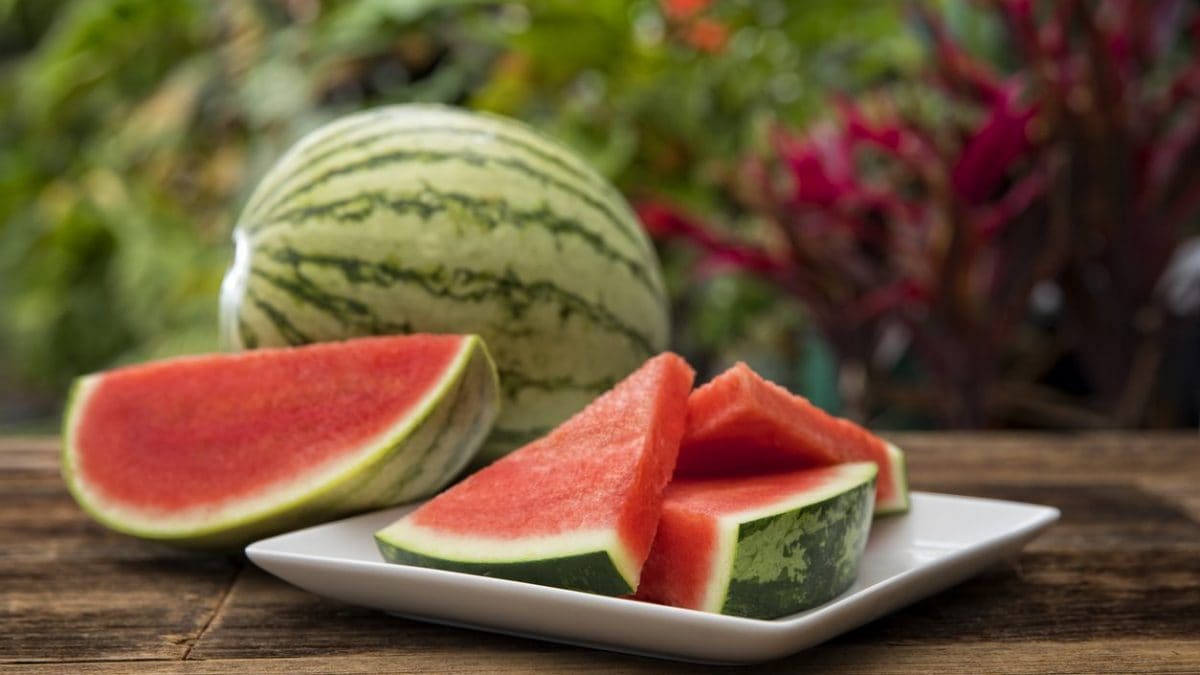
Watermelon is one of the symbolic fruits of summer: it is composed primarily of water and is rich in vitamin C, minerals, especially potassium, and carotenoids such as lycopene and beta-carotene. Perfect eaten sliced or diced, it is very versatile in the kitchen, as its sweet pulp lends itself to the protagonist of smoothies, sorbets, and ice creams, but it can also be used in more unusual and original ways in appetizers and salads, accompanied by fresh cheeses and aromatic herbs. Choose one with an intact rind, free of bruises and scratches: you can eat it within a day, but it is possible to store watermelon for longer in the refrigerator to keep it fresh, or in a jar, to make it last until Christmas.
Fresh and juicy, watermelon is a fruit available only during the summer months. It is characterized by its sweet taste and firm texture: two key aspects that must be preserved if you decide not to eat it immediately. Below, you'll find methods and tips for best preserving it.
How to Store Watermelon Out of The Fridge
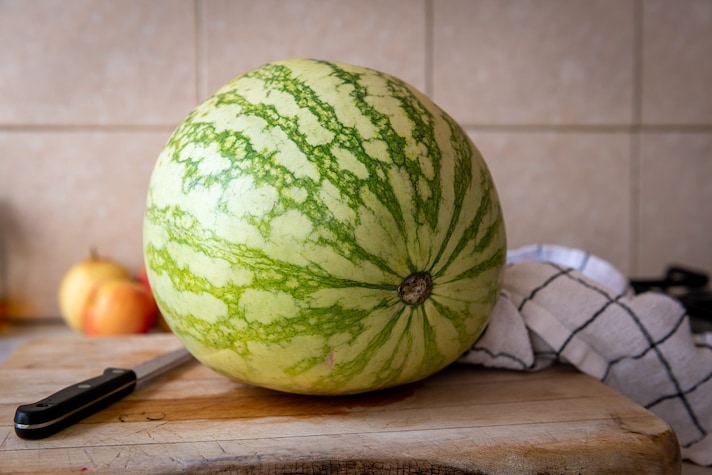
When whole, watermelon doesn't need to be refrigerated, freeing up valuable space for other foods. It can be stored at room temperature, in a cool, dry place in the house, until ready to eat, even for up to a week. If you want to enjoy it cold, you can refrigerate it for half an hour before cutting it, but this isn't mandatory. To prevent waste, avoid keeping it "chilled" under running water.
How to Store Watermelon in The Refrigerator
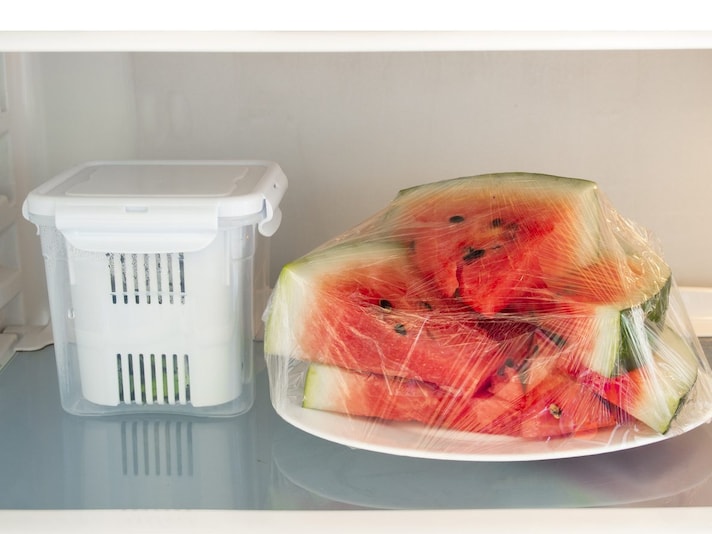
If your home is subject to excessive heat or humidity, it's best to store whole watermelons on the lowest shelf in the refrigerator; they will keep well for up to 7 days. Once sliced, however, the fruit must be refrigerated: to prevent oxidation and the absorption of odors from other foods, wrap the slices in cling film or use an airtight container. Eat sliced watermelons within a couple of days, as they will tend to lose their flavor and consistency.
How to Freeze Watermelon
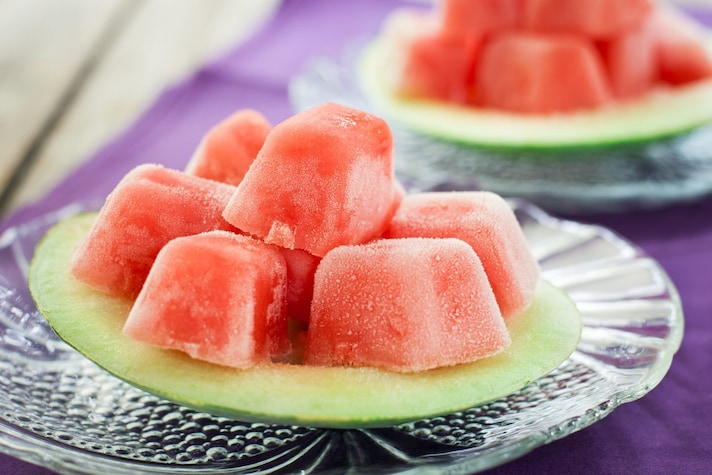
Given the large amount of water in watermelon (over 95% of its composition), it is best to avoid freezing it. During the first 24 hours needed to reach the required temperature (between 0°F/-15 and -18°C), large ice crystals form, breaking down the food fibers. When thawed, the watermelon's organoleptic properties are altered, resulting in a tasteless and soft texture. If you can't consume the sliced watermelon within a few days, the freezer can still be a good ally for making refreshing watermelon popsicles, made with blended pulp and Greek yogurt, or a smoothie. In this case, the watermelon slices are peeled and seeds removed, cut into chunks, and placed in the freezer in special bags for 12 hours. Blending with lemon juice and milk is then necessary.
How to Store Watermelon in a Jar
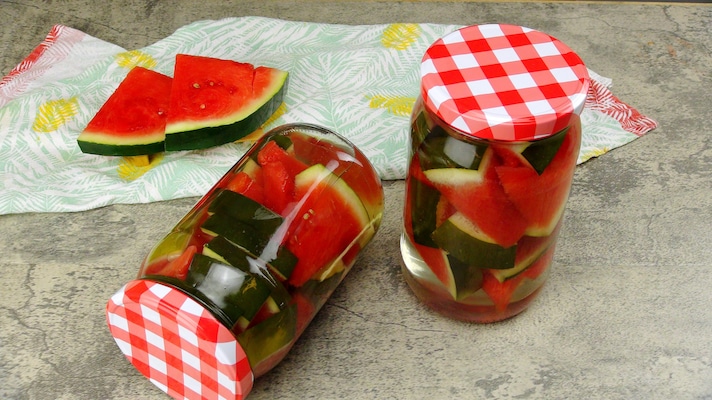
There's a way to preserve watermelon while keeping its delicious sweet flavor intact for up to six months: put it in a jar. The first version we suggest is a great classic: make a jam simply with watermelon pulp, sugar, and lemon, flavoring to taste with other citrus fruits, like orange, or a delicious vanilla bean. Perfect for spreading on bread, but even better for filling tarts and making creamy cheesecakes. The second idea is watermelon in syrup. The steps are easy: cut the watermelon into seedless slices, let them steep for 15 minutes in jars of boiling water, then strain the water. Then add sugar, citric acid, and a pinch of salt, and add the previously filtered water. Seal everything hermetically. A slice of watermelon at Christmas will be a real treat.
;Resize,width=767;)
