We all love ripe fruit, but more often than not, we choose it underripe at the supermarket, perhaps because we're in a hurry or because large retailers often tend to offer underripe produce so as not to compromise its integrity if purchased later than the day it's displayed on the shelves. But what if you want to eat it right away and don't want to wait for it to ripen? It's actually much easier than you think: the ripening process can be accelerated or triggered with a few simple and effective home tricks.
For some fruits, it's easy, because they naturally contain a gaseous plant hormone called ethylene, which plays a fundamental role in fruit ripening because it dissolves pectin and modifies starches and sugars. These are called climacteric fruits (such as apples, apricots, pears, melons, kiwis, and bananas), and thanks to ethylene, they continue to ripen even after harvest, producing ethylene that accelerates the process. Other fruits, however, need a little boost: these are non-climacteric fruits, those that have very little ethylene, all of which is concentrated in the peel, which is why they stop ripening after harvest (such as citrus fruits, berries, pomegranates, and pineapples).
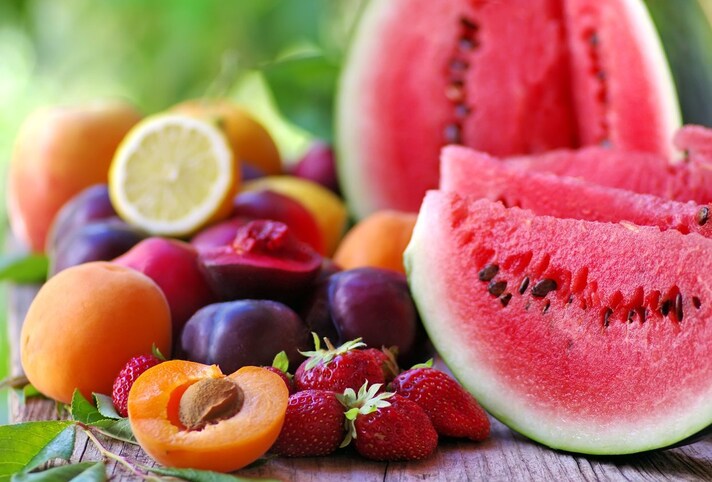
With climacteric fruits, simply place them at room temperature and wait for the ethylene to work its magic. With non-climacteric fruits, you can use one of the home tricks we're about to share. In both cases, remember one fundamental rule: never refrigerate unripe fruit, as the cold can stunt the ripening process. If you're looking for natural ripening, the secret is undoubtedly to leave the fruit at room temperature and wait a few days. And if you want to speed things up a bit, here's what you need to do.
1. Use Apples and Bananas
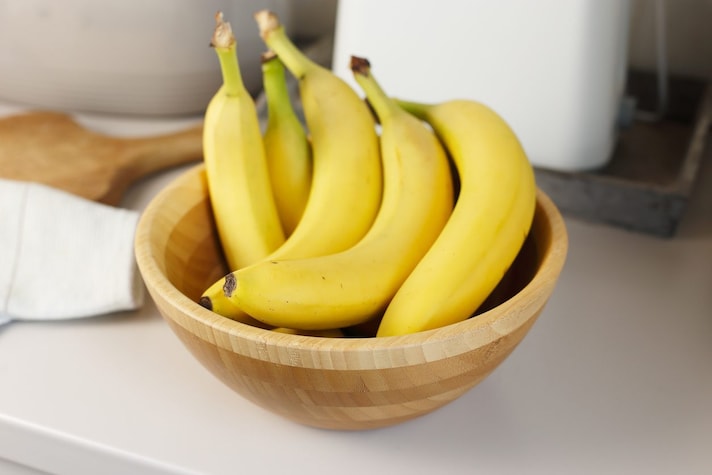
The fastest way to ripen unripe fruit is to place it next to an apple or a banana: these two fruits, of all climacteric fruits, have the highest concentration of ethylene, and the gas affects not only the fruit itself, but also all the others around it. All you need to do is wait 2-3 days and the fruit will ripen quickly and completely naturally.
2. Place The Fruit in Paper Bags
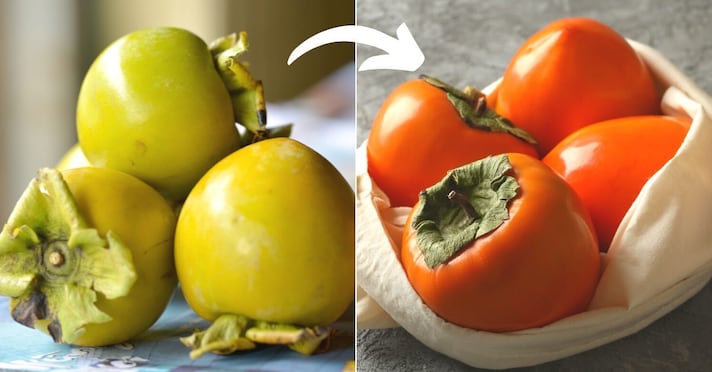
You know that paper bread bag? Don't throw it away, because it's the ideal environment for fruit to ripen faster. Simply place the unripe fruit inside, add a climacteric fruit that can influence the others by releasing its ethylene gas, and store everything in a cool place, away from heat sources. The fruit will ripen in a few days, and the paper will absorb the moisture, preventing it from rotting.
3. Use Wicker Crates and Baskets
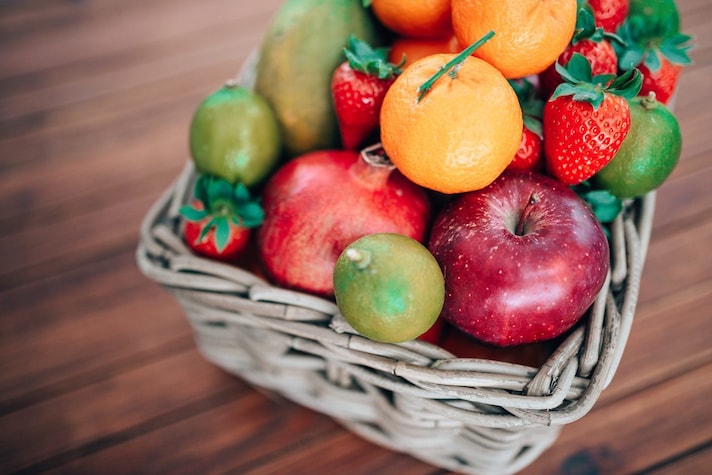
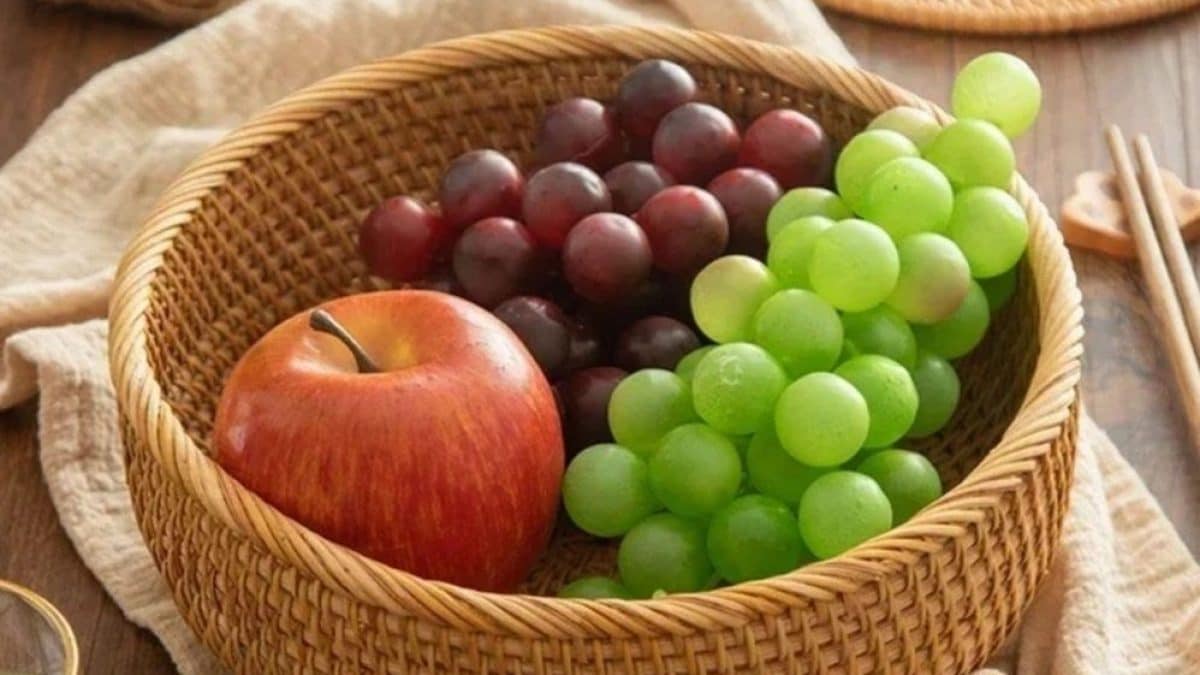
If you're looking for a practical yet visually appealing solution, replace the paper bag with a wicker crate or basket, a decorative item that adds a shabby chic touch to your kitchen. Choose a container that's neither too large nor too small, arrange the fruit inside, and store it away from heat sources. To speed up the process, the same rule always applies: place a climacteric fruit in the basket, and in a couple of days the fruit will be ripe.
4. Wrap The Fruit in Linen or Cotton Napkins

To ripen fruit, you can use two linen (or cotton) cloths: place the first one open on a table, arrange the fruit on top, making sure they don't touch each other, and cover them with a second cloth, gently sealing the edges to prevent too much air from getting in. Choose the fruit you'll ripen using this method carefully because it's the "slowest" method, but it also yields the most flavorful fruit.
5. Use a Plastic Bags
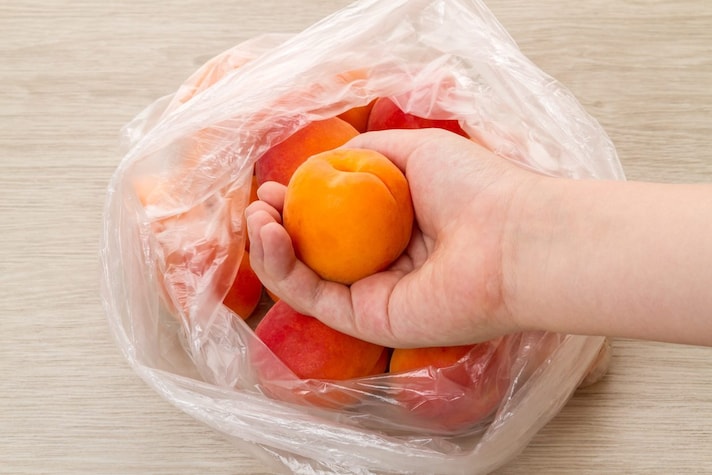
This is the quickest trick, but also the one you need to pay the most attention to: to ripen fruit quickly, you can place it in a plastic bag, without adding climacteric fruits like apples or bananas. The problem with this is that the fruit ripens too quickly, and if you don't remember to check it after a couple of days at most, you run the risk of finding it almost rotten.
;Resize,width=767;)
