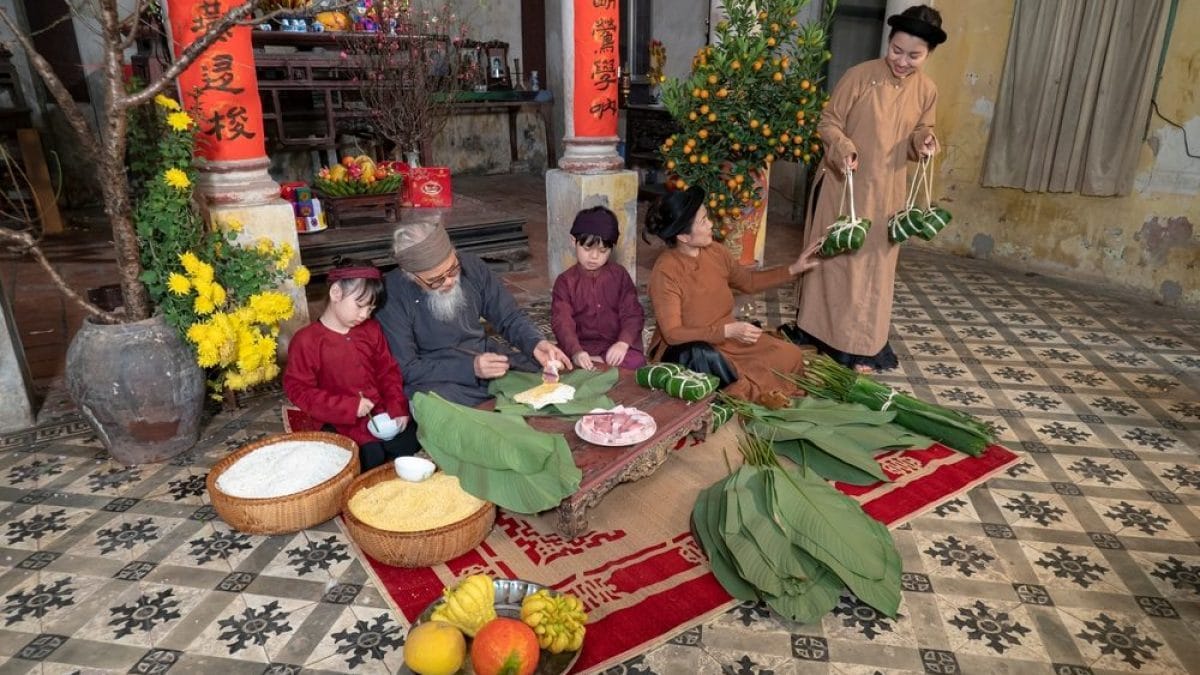
Every year, across the world, or almost, a new beginning is celebrated: New Year's Eve. At this time, the table takes center stage, bringing with it symbolic dishes that tell stories of hope, good fortune, and continuity. New Year ‘s culinary traditions vary from country to country, with each dish reflecting the culture, dreams, and values of a people. From heart-warming spices to deeply meaningful doughs, each recipe is a kind of propitiatory ritual, a gesture that unites family and community while facing the uncertainty of the future with confidence. In this journey through the world's diverse tables, we will discover how food and tradition intertwine to celebrate the arrival of a new year.
Ethiopia's Doro Wat and The Courage of The New Year
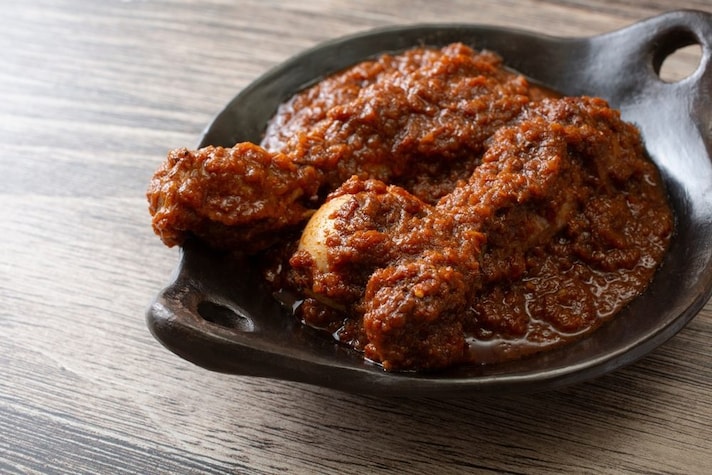
In Ethiopia, the year begins not in January but on September 11th, with Enkutatash. The ritual bread, dabo, opens the banquet like a solar disk cut into segments of light. But it is during Genna, the Coptic Christmas celebrated on January 7th, that doro wat —a thick, red stew of chicken and hard-boiled eggs—takes center stage. The eggs represent protection and rebirth, the spiciness the strength to face what is to come. A dish that does more than just satiate: it teaches us to endure.
Philippines, Twelve Fruits and Twelve Promises
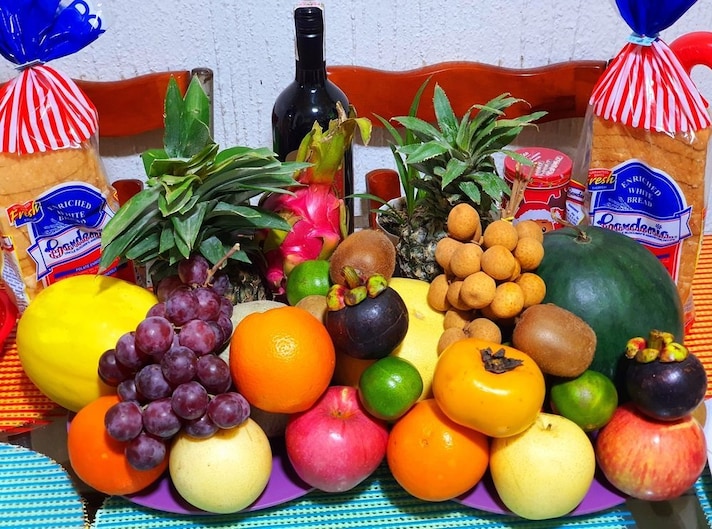
In the Philippines, New Year's Eve is an orchestra of noise and superstition. Every home displays twelve round fruits, one for each month, symbolizing circular prosperity. The table is also filled with pancit, long noodles that invoke long life; lechon, roasted pork that signifies abundance; and biko, a glutinous rice cake that "attaches" good fortune to the family. Each ingredient speaks of commitment: to life, to community, to the desire not to miss out on good fortune.
Vietnam's Bánh Chưng "Package" That Teaches Patience
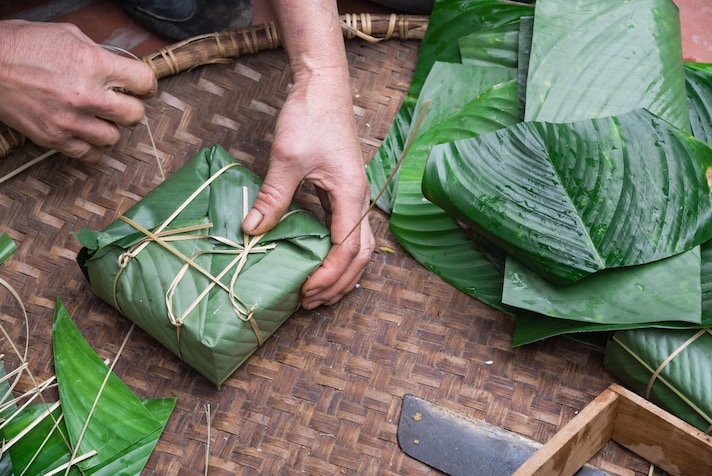
During Tết Nguyên Đán, the Vietnamese Lunar New Year, everything slows down. Families gather to prepare bánh chưng, a square package of sticky rice, pork, and mung beans wrapped in dong leaves. It's a collective, slow, and meditative act: the square symbolizes the earth, and the long cooking time symbolizes family continuity. Completing the feast are giò lụa, a light, compact sausage, and mứt Tết, candied fruits offered to guests as a promise of future sweetness.
South Korea's Tteokguk, The Soup That Gives Wisdom
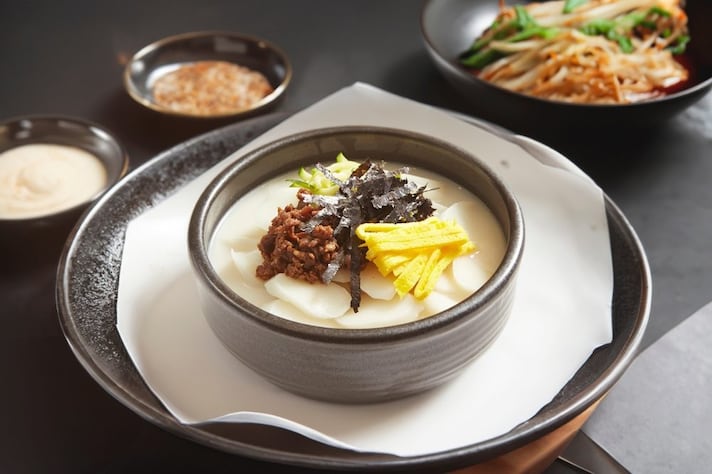
During Seollal, the Korean Lunar New Year, people eat tteokguk, a traditional soup made with rice slices (tteok) in a meat broth, usually beef, and garnished with egg, spring onion, and other vegetables. Whoever tastes it symbolically “ages” a year, a sign of gained wisdom. The oval shapes of tteok are reminiscent of ancient coins: each spoonful is a discreet prayer for prosperity.
Jordan and Palestine's Pomegranate That Protects
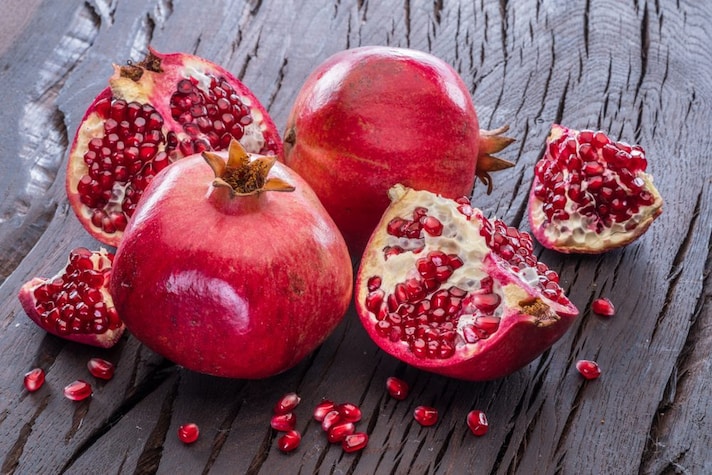
In the Christian communities of Jordan and Palestine, the liturgical New Year begins with the blessing of the pomegranate, a symbol of fertility and protection. The table often features maqluba or maqloubeh, rice and vegetables poured onto a serving plate: the act of turning over becomes a good-luck ritual, as if fortune itself could change for the better.
;Resize,width=767;)
