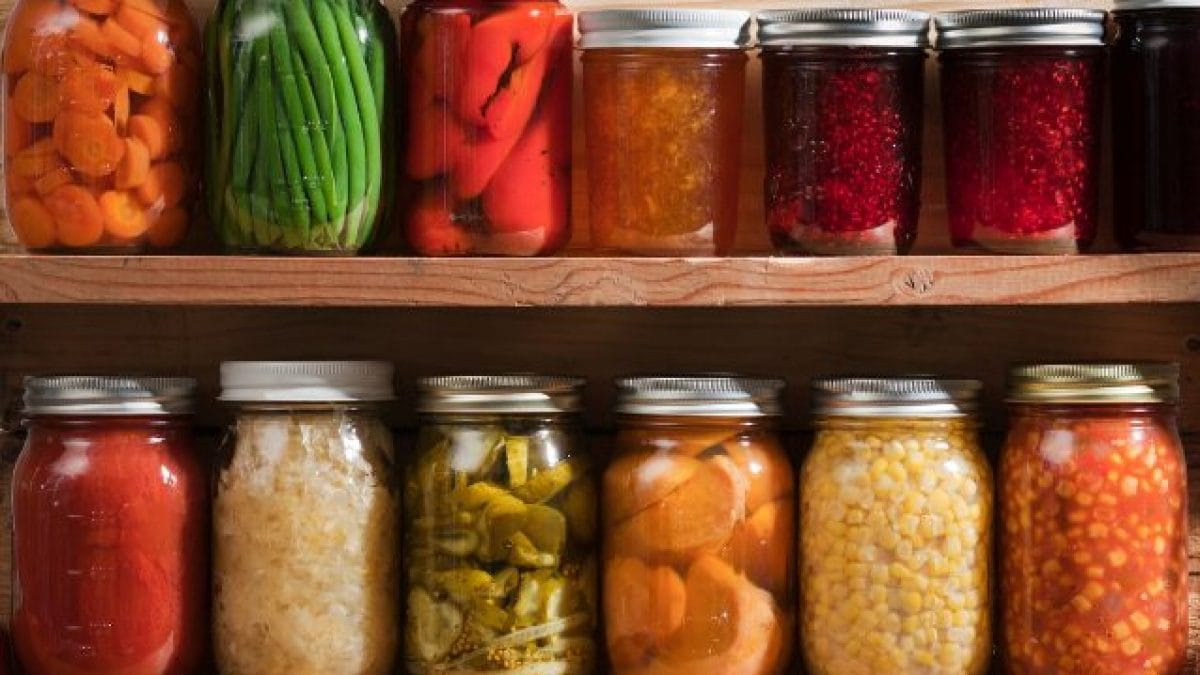
In the culinary world, there is a persistent myth that great cooking requires every single ingredient to be bought fresh from the farmers market that morning. In reality, professional chefs rely heavily on canned goods—not out of laziness, but because certain ingredients are actually superior, more consistent, or infinitely more convenient when preserved at peak ripeness inside a tin.
Canning locks in flavor, preserves vital nutrients, and creates pantry shortcuts that transform an empty fridge into a quick, restaurant-worthy meal. If you want to elevate your weeknight cooking without spending hours prepping, these are the essential canned staples top chefs refuse to run out of.
1. Whole San Marzano Tomatoes

If you are buying fresh, out-of-season tomatoes in January to make a pasta sauce, you are paying top dollar for watery, pale, flavorless produce.
Chefs almost exclusively use canned whole peeled plum tomatoes (ideally certified San Marzano from Italy) for cooked sauces, soups, and braises.
Tomatoes destined for the can are picked at the absolute peak of summer ripeness and processed within hours. Whole peeled tomatoes are higher quality than pre-diced or crushed varieties, which are often treated with calcium chloride to hold their shape, preventing them from breaking down into a smooth, velvety sauce. Crush them by hand directly into a saucepan with melted butter, an onion half, and a pinch of salt for a classic, luxurious marinara.
2. Oil-Packed Anchovies or Sardines

Tinned fish—often called conservas—has undergone a massive culinary renaissance, but line cooks have been relying on it as a flavor weapon for decades. Small oily fish like anchovies and sardines are harvested sustainably, packed with heart-healthy omega-3 fatty acids, and bursting with rich savory flavor.
You don't need to be a fan of eating whole fish to love canned anchovies. When dissolved in warm olive oil or butter at the start of a recipe, anchovies melt completely, leaving behind a deep, savory umami base rather than a "fishy" taste. Dissolve two anchovy fillets in warm oil before sautéing garlic for pasta, blend them into homemade Caesar dressing, or crisp canned sardines in a skillet to serve over toasted sourdough with fresh parsley.
3. Canned Chickpeas and Cannellini Beans

While cooking dried beans from scratch yields great texture, it also requires overnight soaking and hours of gentle simmering. Canned legumes deliver 90% of the quality in zero seconds.
Canned chickpeas (garbanzo beans) and white cannellini beans hold their structural integrity remarkably well during the canning process. They provide an instant, affordable boost of fiber and plant-based protein to weeknight meals. Drain and rinse them to remove excess sodium, then toss with olive oil and spices to roast until crispy, blend into quick homemade hummus, or simmer with canned tomatoes and rosemary for a rustic Italian stew.
4. Full-Fat Coconut Milk

A staple of Southeast Asian cuisines, canned full-fat coconut milk is one of the most versatile liquids you can store in your kitchen cabinet. Unlike carton coconut milk (which is diluted with water and fortified with gums), canned coconut milk contains the thick, rich cream that naturally separates to the top of the can. It acts as an incredible dairy-free substitute for heavy cream or butter.
Whip up an authentic Thai curry in under 20 minutes, use it as the braising liquid for rice or poached chicken, or blend it into morning smoothies and creamy vegetable soups.
5. Chipotle Peppers in Adobo Sauce

When a dish tastes flat or missing depth, chefs don't just add salt—they reach for smoke, heat, and acid. A single small can of chipotle peppers in adobo sauce delivers all three simultaneously. Chipotle peppers are simply vine-ripened red jalapeños that have been smoke-dried and packed in adobo—a tangy, sweet, and spiced red sauce made from tomato, vinegar, garlic, and spices.
Mince a single pepper to add deep smokiness to chili, tacos, or braised meats. Alternatively, swirl a spoonful of the pureed adobo liquid into mayonnaise or sour cream for an instant dip or sandwich spread.
6. Canned Sweet Corn
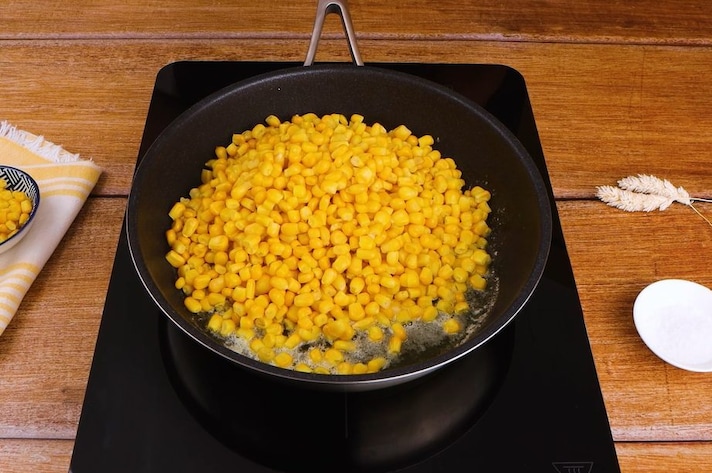
While many canned vegetables can turn soft and drab, sweet corn is a rare exception. Thanks to its sturdy cell walls and natural sugars, sweet corn retains its firm texture and bright flavor in the tin. Fresh corn on the cob has a very short seasonal window, but canned corn preserves that summer sweetness all year long.
Drain well and char the kernels in a dry, hot cast-iron skillet to make a rapid street-corn salad (elote), toss into cornbread batters, or stir into hearty winter chowders.
3 Golden Rules for Cooking with Canned Goods
To get the absolute best flavor out of your pantry staples, keep these chef-approved rules in mind:
- To Drain and Rinse (or Not): Always drain and rinse canned beans, vegetables, and fruit packed in syrup to remove excess sodium or unwanted sweetness. However, never drain canned tomatoes—that rich, lycopene-packed juice is liquid gold for your sauce.
- Bloom Your Flavors: Don't just dump canned ingredients straight into a cold dish. Sautéing canned tomato paste, chipotle peppers, or anchovies in hot oil for 60 seconds ("blooming") caramelizes their natural sugars and removes any harsh "tinny" raw notes.
- Check the Ingredients: Look for tins packed in water or high-quality olive oil with minimal added preservatives. For canned fruit, choose options packed in 100% real fruit juice rather than high-fructose corn syrup.

