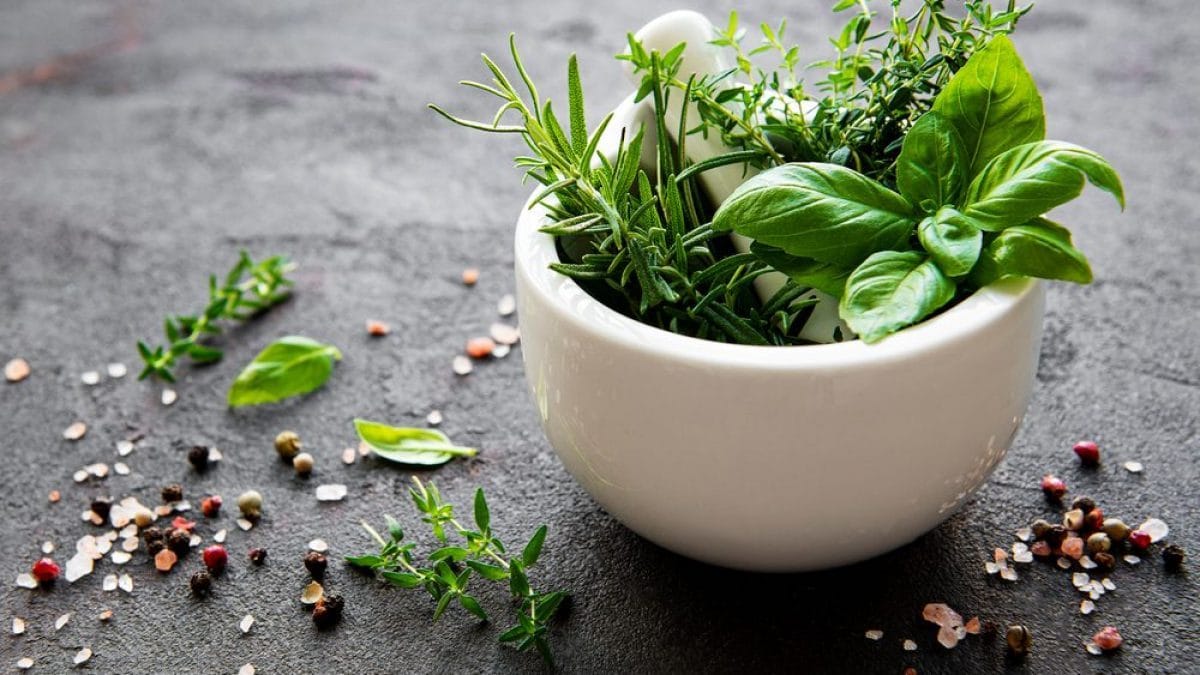
Fragrant herbs, cooking herbs, aromatic plants: whatever you call them, the result is the same: aromatic herbs are a fundamental element of our cuisine, a crucial aid in flavoring dishes. These foods, also rich in benefits, have always been used to add flavor and aroma to recipes, often becoming true distinguishing features. What would a tomato sauce be without basil, or a bruschetta without oregano?
Whether purchased, grown in the garden, or on your balcony (they're also very easy to grow in pots), aromatic herbs should never be missing from your pantry. But which of the dozens of varieties that exist in nature should you always keep on hand? Here's a quick and easy guide explaining the basic supply of aromatic herbs you should always have at home and how to combine them to best utilize the precious properties of each type.
Aromatic herbs generally refer to herbs (or vegetables used as herbs) that grow wild or are cultivated in vegetable gardens. Be careful not to confuse them with spices, which are dried plant products that therefore "last" longer, usually sourced from foreign countries (although some herbs can be used dried, such as oregano, bay leaves, thyme, and rosemary). Whether fresh or dried, aromatic herbs are a must-have in Mediterranean cuisine: here are the ones you should always have at home.
1. Basil

It's the king of Italian cuisine, the protagonist of some of the world's most beloved recipes, pesto alla genovese. Basil is the first of the aromatic herbs you should always have on hand, also because it's easy to grow, even in a pot or in the garden. One of the most classic combinations is with tomatoes, both for sauce and raw tomatoes, but it's also perfect for seasoning roasted vegetables, especially summer ones like eggplant, peppers, and zucchini, but also raw vegetables like cucumbers. If you're planning on making a fruit salad, try flavoring it with fresh basil—you'll be amazed. Basil isn't usually dried, but when it's not fresh, you can use it (like other herbs) to create flavored oils.
2. Oregano

Oregano is mainly used dried and pairs very well with legumes, but also with fish dishes, together with garlic and marjoram, or in Sicilian salmoriglio, which is used to season grilled meat. Furthermore, oregano also has a special relationship with tomatoes, which is why it is often used on tomato bruschetta or to enrich sauces, especially on marinara pizza (a condiment you can also use on pasta); it is also a fundamental ingredient in "pizzaiola" recipes.
3. Rosemary

Rosemary is an ingredient whose mere pinch can add a significant boost of flavor to your dishes. Which ones? You might immediately think of baked potatoes, with which it forms an almost legendary pairing, but it's also perfect in cream soups, soups, and stews made with seasonal vegetables, pork —and in general, intensely flavorful meats—paired with pumpkin, but also with legumes, especially chickpeas, and other "alternatives" like tofu and tempeh. It's also often used to enrich leavened products like focaccia, schiacciata, and bread. Rosemary is easy to grow at home, but it's also often found growing wild.
4. Sage

Sage, with its intense aroma, is one of those herbs you should always have on hand: if you've created your own small garden, remember that it's usually planted near rosemary, as the two plants require similar climatic conditions. Sage is used in various dishes, adding a unique touch: for example, ravioli topped with butter and sage, or saltimbocca alla romana. It pairs well with butter, but not only that: sage is perfect for flavoring roasts, white meat dishes, but also cheeses and fish, and is also used with vegetables such as spinach, peas, eggplant, green beans, and squash. You may not know it, but it can also be used as a snack by batter – drying and frying it.
5. Parsley

Have you ever heard the saying "always be in the middle like parsley"? This old saying explains very well why you should always have some of this aromatic herb on hand: parsley goes well with practically everything, thanks to its freshness and lightness that make it very versatile. It is very common in all types of recipes: first on fish, but also on roasted vegetables, on fried eggs and omelettes, on legume-based creams like hummus, even on meat, especially very flavorful ones. Excellent in potato salad and octopus salad, it is ideal on cold pasta or rice salads, especially if they are fish-based, but it can also be used to make a tasty pesto to season crostini or bruschetta, or in fruit and vegetable extracts and smoothies. In this case too, it can be grown at home, in the garden or on the balcony, so you can always have it fresh.
6. Bay Leaves

Considered a digestive herb and often used together with lemon for that purpose, bay leaf can actually be used as a flavoring for many dishes: it is usually eaten dry, but in some recipes it can also be added fresh, such as in swordfish rolls. Bay leaf is at its best in all preparations that require long cooking times, such as stews and braised white or red meats, but also game, soups and broths; in particular, it pairs well with legumes, which it helps to make more digestible, preventing possible abdominal bloating after eating them. It also pairs well with onions, celery, and carrots, in the classic soffritto, but also with pumpkin or potatoes.
7. Thyme

Thyme is often considered merely a relative of rosemary, but it actually has its own personality and even some very unique variations, such as lemon thyme. Excellent with vegetables and tubers such as onions, carrots, peppers, squash, and potatoes, or in salads, it can also be used to flavor omelettes and farinata, to enrich veggie burgers, or in soups and cream soups. It pairs very well with boneless fish, as well as with white meats such as chicken and turkey; it is also excellent with beans, which helps make them more digestible.
8. Chives

Chives are one of the most unique and fragrant aromatic herbs around: they're closely related to garlic and onion, which is why they might not be to everyone's taste, but they're actually very versatile and useful for adding a burst of flavor to a variety of recipes. They're perfect with roasted or pan-fried vegetables like eggplant, peppers, and courgettes, they enhance boiled vegetables (and even potatoes), and they're also excellent in cream soups, especially those made with leeks or onions. What's more, they're an excellent ally for enriching the flavor of risottos, especially those with fish or vegetables, and they're a key ingredient in creating tasty sauces, like yogurt-based ones or tartar sauce. They also pair well with white meats and tuna.
9. Marjoram

You might be surprised to find this herb on the list of essentials to have in your pantry, and in fact it is one of the least known, but marjoram is actually excellent: delicately flavored yet highly versatile, it pairs well with fish and white meats, is excellent with artichokes, legumes, autumn vegetables, and is perfect for enriching omelettes and savory pies. It can be used on tomato or onion salad, or on spring produce like green beans and peas, and it also lends itself to special recipes, such as a delicious marjoram pesto.
10. Mint

A very hardy plant and easy to grow in the garden or in a pot, mint is fragrant, balsamic, and delicious. You're certainly familiar with its most classic uses: to flavor desserts, especially chocolate-based ones, with which it forms an iconic pair, but also to prepare tea (the most famous is the mint tea typical of the Maghreb countries) and together with fruit, for example in fruit salads or in fruit and custard tarts; with mint you can also make a fresh and delicious homemade ice cream and a delicious refreshing milk and mint drink. What you may not know is that mint can also be used in savory recipes, especially all those based on sweet foods like carrots, pumpkins, and potatoes, to flavor roasted vegetables, or to season legume salads.
;Resize,width=767;)
