When we talk about sugar in the diet, we immediately think of the teaspoon we knowingly add to our cup of coffee or the one in a slice of homemade cake. The reality is much more complex, and sugar is found in many industrial products, even the most unsuspecting ones that we don't perceive as particularly sweet.
Not only breakfast cereals or flavored yogurts, in which it is present in massive doses, especially in those intended for children, but also in savory foods in which we certainly would not expect to find it: among these, ready-made sauces, such as ketchup and barbecue sauce, and some tomato preserves, to which it is added to balance the acidity of the vegetable or to improve its taste.
According to the Dietary Guidelines for Americans, daily intake of added sugars should not exceed 10 percent of total caloric intake—about 50 grams on a standard 2,000-calorie diet—while the American Heart Association recommends an even stricter limit of 25 grams per day for women and 36 grams for men. Yet, the average American consumes nearly 70 to 77 grams of added sugar every single day, far exceeding these recommended targets. This significant overconsumption carries serious health risks, drastically increasing the likelihood of developing obesity, type 2 diabetes, and cardiovascular disease.
We talk about it with Dr. Simone Gabrielli, biologist and nutritionist, who reveals which products to pay maximum attention to, how to read the label and re-educate the palate to more natural and authentic flavors.
1. Breakfast Cereals
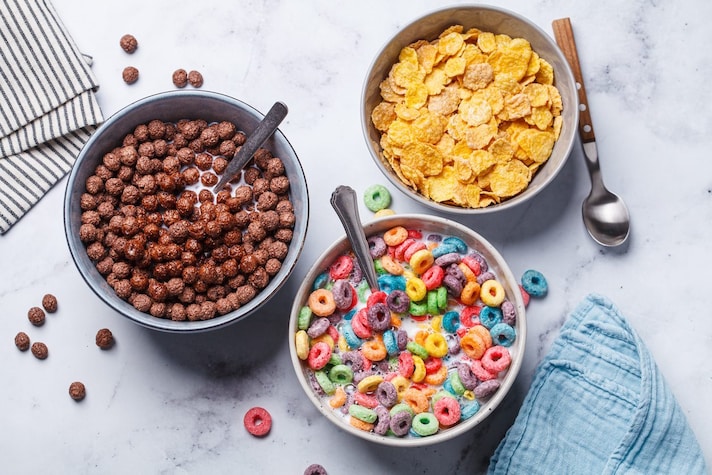
Breakfast, as we all know, is the most important meal of the day: it helps us get off to a good start and provides the energy we need to face the day ahead. For this reason, it's important for it to be complete, balanced, and low in simple sugars, a key aspect for maintaining stable blood sugar levels and providing a feeling of satiety. Traditional breakfast cereals, especially those that are highly processed or intended for children, can contain significantly high amounts of sugar.
The best cereals are natural and without added sugar, such as rolled oats, which can be used to make porridge and overnight oats, or a muesli made with rolled oats, raisins, and dried fruit. The advice is to prepare them at home or, if you decide to buy them, read the labels carefully and choose products with a moderate sugar content—no more than 10-15 grams per 100 grams—avoiding those containing vegetable oils, flavorings, and preservatives.
Also keep an eye out for granola, the delicious toasted mix of grains, oilseeds, dried fruit, and honey, which is particularly sweet. Here too, you can consider making a homemade version and sweetening it with a drizzle of agave syrup.
2. Fruit or Flavored Yogurt

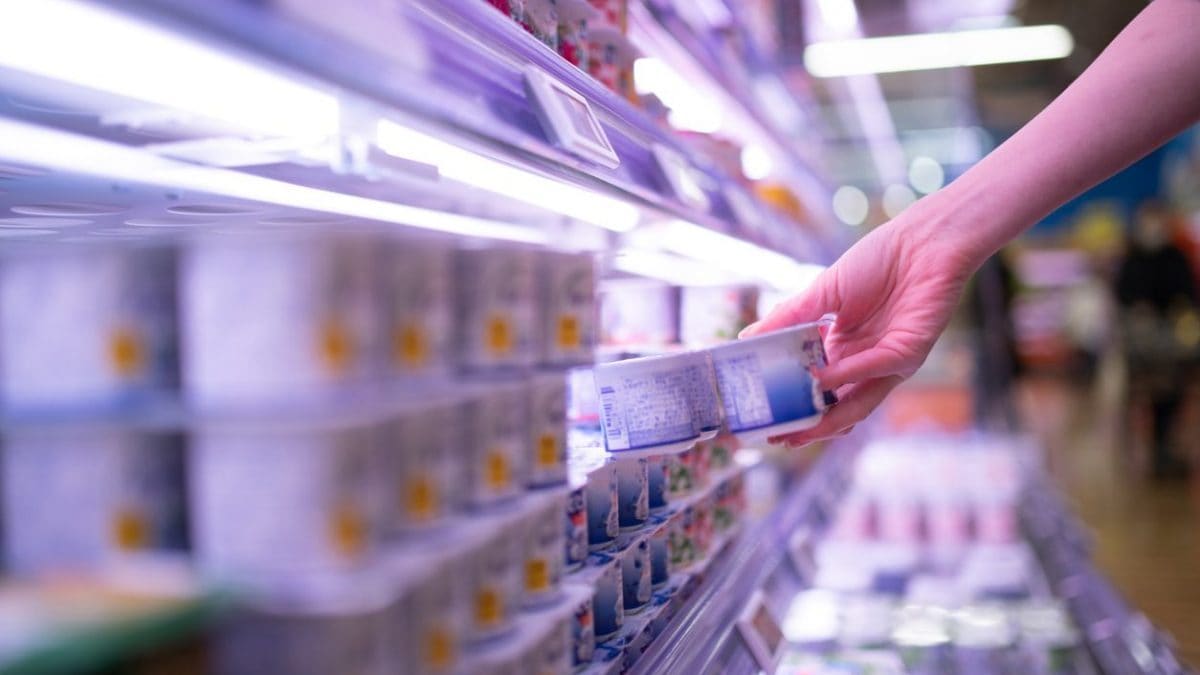
Another category to pay particular attention to is low-fat fruit or flavored yogurt. " Plain yogurt naturally contains lactose, but flavored versions often have sugar added to make the product sweeter and more palatable," explains Gabrielli.
Despite a negligible calorie saving, we're introducing about 20 grams of sugar into our bodies, the equivalent of 3-4 teaspoons. The amount found in a tub of plain or Greek yogurt, on the other hand, is about 4-5 grams per 100 grams of product: quite a difference.
So what should you do? Choose a natural, whole-milk plain yogurt, or even better, a hay-milk one, a product that guarantees the cows have grazed and fed on fresh grass and dried hay. Flavor it with fresh seasonal fruit, which will give it a natural sweetness, a sprinkle of cinnamon or other spices to taste, or add a teaspoon of nut cream with no added sugar. In the latter case, you'll have a filling and balanced snack, enriched with a small amount of healthy fats that will help stabilize your blood sugar levels even more.
3. Fruit Juices, Iced Tea and Flavored Drinks
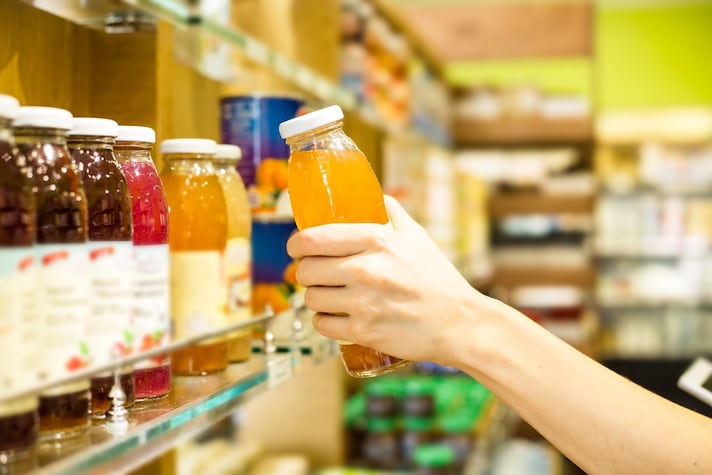
Although these drinks are perceived as healthy and "natural," often offered to children for breakfast or as a snack, they can contain very high amounts of sugar. In addition to the sugars naturally present in fruit, juices, as well as packaged extracts and centrifuged drinks, also contain added sugars. A carton of juice contains double the sugars, is devoid of fiber, and the pasteurization process it has undergone has inactivated enzymes and vitamins, and decreased the amount of mineral salts.
In addition to added sugars, these products may also contain colorants, preservatives and acidifiers, they can be produced from fresh, dried or frozen fruit (the so-called "fruit concentrate") and, depending on the commercial category, they contain variable percentages: from juice made from 100 percent fruit to "fruit-flavored" drinks, which contain less than 12 percent fruit.
How can you avoid potential marketing scams? Read labels carefully and always opt for homemade juice. To stay hydrated, always choose water or natural, unsweetened herbal teas and infusions. Instead of fruit juices, always opt for whole fruit, preferably with the peel (if organic): the natural presence of fiber, in addition to providing valuable micronutrients and antioxidants, will slow the absorption of sugars.
4. Sandwich Bread and Savory Baked Goods

It may seem incredible, but sugar is also present in sandwich bread, industrial crackers, packaged products, and ready-made meals, added to improve shelf life, flavor, and palatability. "Individually, these aren't huge amounts, but consumed frequently throughout the day, they can contribute to increasing your total sugar intake," our expert explains.
How can you avoid buying these products? Always read labels carefully and, when possible, choose fresh, naturally leavened bread or whole-grain crackers that contain no added sugars, as well as vegetable oils of dubious origin (always choose products made with only extra virgin olive oil), additives, and preservatives.
5. Ready-Made Sauces and Condiments

It may seem like a paradox, yet in the food industry, adding sugar to a savory sauce, such as ketchup or barbecue sauce, has very specific purposes: it serves to balance the natural acidity of the tomato and vinegar, but above all to obtain that "palatability" that makes the consumer want more.
Just think that a spoonful of ketchup, the queen of fast food sauces, contains about a teaspoon of sugar, a quantity that rises dramatically if we were to consider the classic BBQ: here glucose syrup or molasses even appear as the first or second ingredient on the list.
The same goes for ready-made sauces: here, sugar is added to correct the acidity of industrial tomatoes, often harvested when not perfectly ripe or processed at high temperatures, or to improve their consistency and give that sensation of "softness" on the palate.
Always read the product label carefully and, if it contains sugar, absolutely avoid it. Try replacing packaged sauces with homemade dressings made with extra virgin olive oil, lemon juice, fresh herbs, plain yogurt, and spices to your liking: this will give your dishes a nice boost of flavor, without adding unnecessary and harmful sugars.
6. Legumes and Other Canned Products
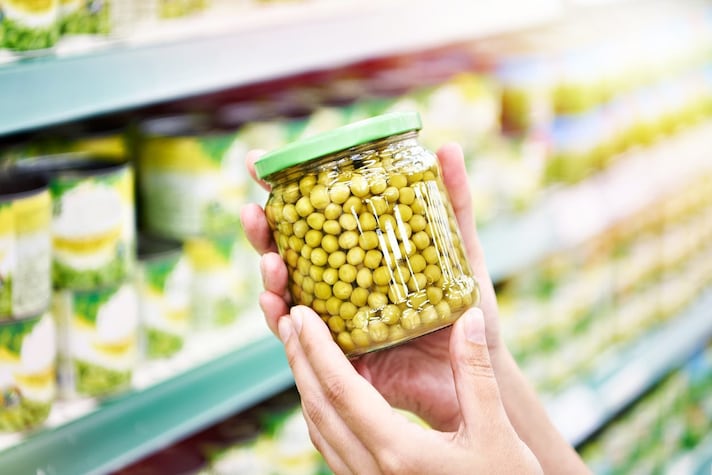
Rich in fiber and plant-based proteins, pre-cooked and canned legumes are an excellent choice, provided you choose them wisely and read the label carefully: sugar may be listed among the ingredients, especially in peas, added to enhance the flavor or maintain the proper consistency of the seed.
Also be wary of ready-made soups, broths, or cream soups available in the refrigerated section: to make these dishes more palatable, the food industry often adds sugars, modified starches, or low-quality fats. These additives are used to preserve and improve the flavor, color, and texture of food, and should be avoided altogether: a good product, made with quality ingredients, has no need for added sugars or flavor enhancers.
Very popular in vegetable salads and rice or pasta salads, canned corn is another product to be especially careful about: naturally sweet, sugar may also be added to the preserving liquid. Again, just read the ingredients list and steer clear of the "incriminating" ones.
How to Reduce Sugar in Your Diet
Reducing sugar in our diet shouldn't be seen as a punishment or a drastic sacrifice of pleasure, but rather as a process of small, intelligent substitutions that re-educate the palate. "Often, the secret isn't eliminating everything, but making more conscious choices: replace traditional fruit yogurt, rich in added sugars, with plain plain yogurt, perhaps enriching it with fresh fruit or a sprinkling of cinnamon for flavor," Gabrielli reiterates.
Let's pay attention to all those "unsuspected" products where sugar can hide, such as ready-made sauces or packaged condiments, and replace them with aromatic herbs and spices. "If you feel a sweet craving at the end of a meal, eating a piece of fruit can be the ideal solution thanks to its natural sweetness and fiber; if you're looking for something more intense, a square of dark chocolate with at least 85 percent cocoa can be very satisfying without going overboard," continues the expert.
Another helpful trick is to learn to read labels critically: the word "sugar" may be hidden under other terms, such as glucose syrup, fructose, maltodextrin, corn syrup, dextrose, or concentrated grape juice. If one of these names appears near the top of the list, the product is high in added sugars.

Maximum Daily Dose and Health Risks
The World Health Organization recommends limiting free sugars to less than 10 percent of daily energy intake, with an even better target of around 5 percent: this translates to a maximum limit of about 50 grams per day (ideally less than 25 grams). "It's important to emphasize that this calculation excludes fresh fruits and vegetables: these foods, in fact, do not contain so-called ‘free sugars,' but sugars enclosed within plant cell walls, which makes them significantly less absorbable by the body," Gabrielli points out.
Added to this is the fundamental action of fiber, which acts as a natural brake, slowing the absorption of sugars into the blood. However, be careful not to blend these foods: the mechanical breakdown risks breaking the cell membranes, releasing the sugars and effectively transforming them into free sugars that are much quicker to digest.
A diet too high in added sugars, especially if habitual, is associated with several health problems. Among the main ones are excess weight, a higher risk of obesity, tooth decay, and an increased risk of developing type 2 diabetes and cardiovascular disease. Furthermore, consuming a lot of sugar can cause fluctuations in blood sugar levels, which consequently lead to increased hunger and fatigue throughout the day.
"The key point is that it's not the occasional sweet treat that makes the difference, but the total amount of added sugars we consume every day, often without realizing it through everyday products," concludes the nutritionist.
;Resize,width=767;)
