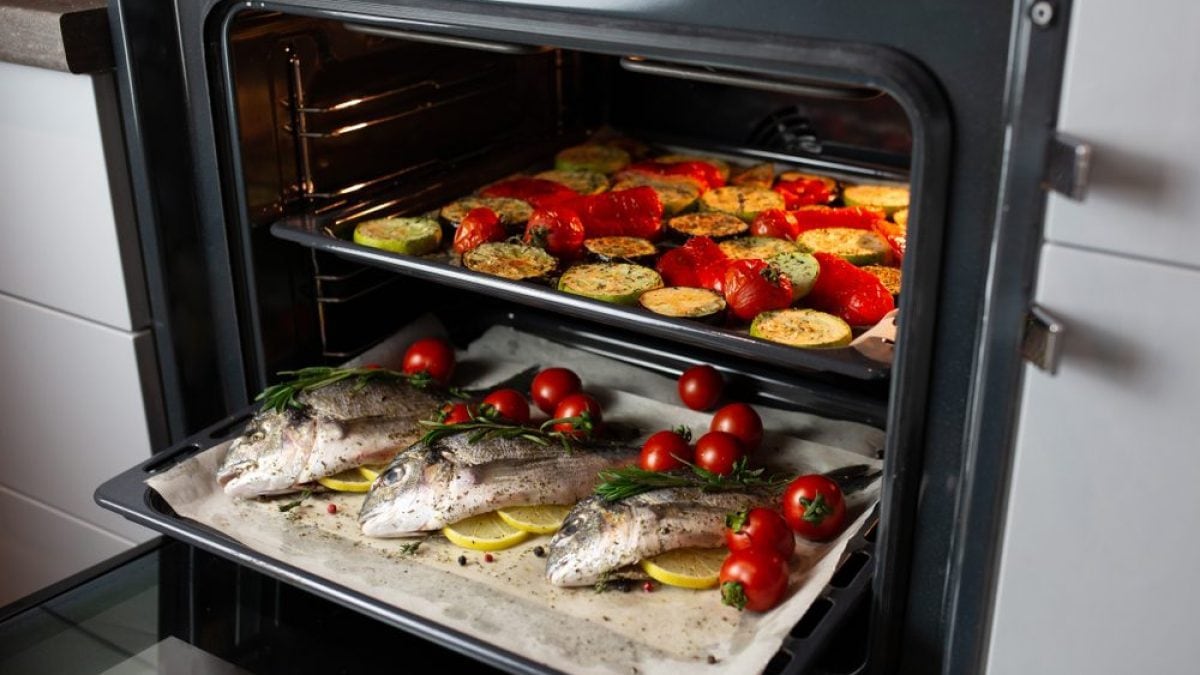
The oven is one of the most energy-intensive kitchen appliances, but also one of the most indispensable, one that's hard to do without (despite its "duel" with the air fryer). However, using it correctly and consciously can significantly reduce costs without sacrificing the quality of your food. Of course, not all models are the same, and your bill depends on several factors, such as the type of technology —multifunction ovens with fans reduce cooking times compared to conventional ovens —and its size—the larger it is, the more it consumes. And then there's the energy class, which a high one guarantees better efficiency. Nor should usage habits (from program selection to how often you open the door) and cleaning habits be underestimated, as proper maintenance promotes functionality. With respect to what has just been said, here are some simple steps that can help you use your oven while saving money.
Compared to gas ovens, electric ovens may boast lower energy consumption, but they still have an impact on household expenses. When you decide to cook a dish, using the appliance as efficiently as possible is a definite plus. Here are six tips to keep in mind while you're at it.
1. Preheating Is Not Always Necessary
Preheating the oven helps ensure excellent results in many recipes, such as most leavened doughs. However, some recipes don't require it: baked pasta, lasagna, roasts, or baked fish don't need to puff up or acquire a particular structure, so they can be baked while still cold.
2. Use Shelves Correctly
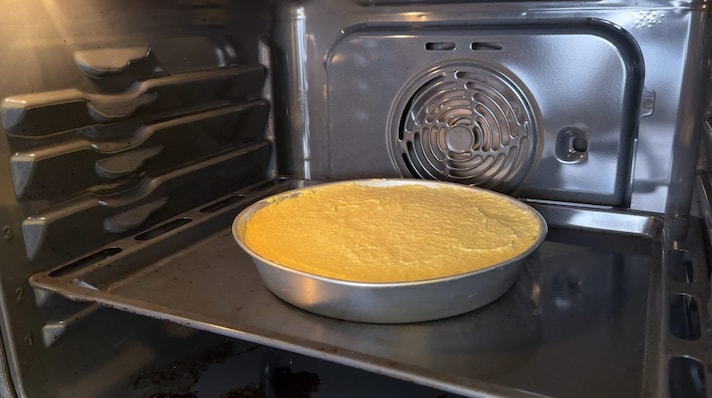
Not everyone knows this, but each oven shelf, just like the refrigerator shelf, has its own ideal use. The top shelf is for gratinating dishes, the bottom shelf for those requiring a dry, crispy base, while the middle shelf is perfect for cooking. Arranging dishes in the right place can save time and, therefore, reduce energy consumption.
3. Limit Door Openings
Opening the oven frequently causes the internal temperature to drop rapidly, forcing it to recover the lost heat. This also happens in the freezer and refrigerator, where the temperature rises, but with the same consequence: straining the appliance. If you want to monitor the cooking progress, open the door only at key moments in the recipe, perhaps by setting a timer.
4. Be Careful How You Place the Food
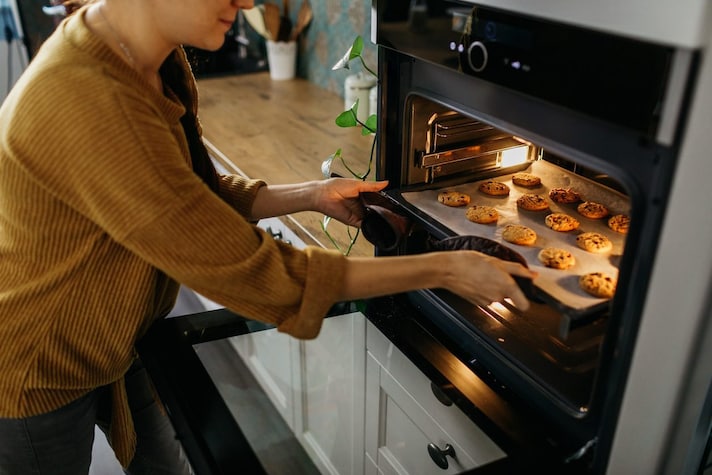
If your model's capacity allows, placing multiple dishes in the oven at once, such as a main course and a side dish, is a practical way to maximize the oven's efficiency while saving time. The same goes for reheating bread, a savory pie, or focaccia. Place them in the oven while something else compatible with the recipe is already in the oven (fish could cause odor problems). Furthermore, ingredients like vegetables, if chopped, cook faster than whole ones, and frozen foods take longer. However, if you thaw them properly, respecting the cold chain—from freezer to refrigerator—they'll be ready faster.
5. Use Pre-Cooking When Possible
From this perspective, there are several vegetables that require precooking to soften them further and be crispier in the end, simply by blanching them before putting them in the oven, where they will stay for a shorter time. One dish above all? Roast potatoes.
6. Turn Off a Few Minutes Early
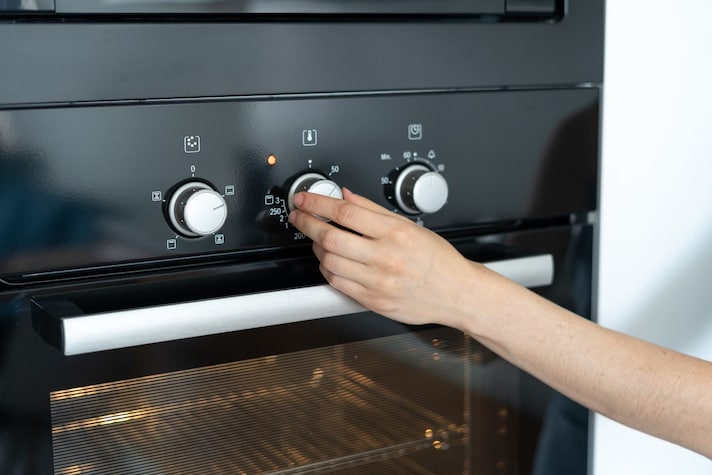
Thanks to the residual heat that continues to circulate inside the chamber, turning off the oven a few minutes before the end indicated by the recipe can be advantageous for saving energy, but without compromising the dish.
Other Useful Tips
In addition to these precautions to take when cooking, there are others that apply to all electrical appliances and accessories. Make sure to keep your oven clean with regular cleaning immediately after use and regular cleaning, keeping an eye on the seals for wear to prevent dirt and buildup from degrading performance and reducing safety. It goes without saying that your oven won't last forever, and if malfunctions are a regular occurrence, it should be replaced. At this point, opt for an oven with a high energy rating, as the initial cost will be recouped in the long run.

