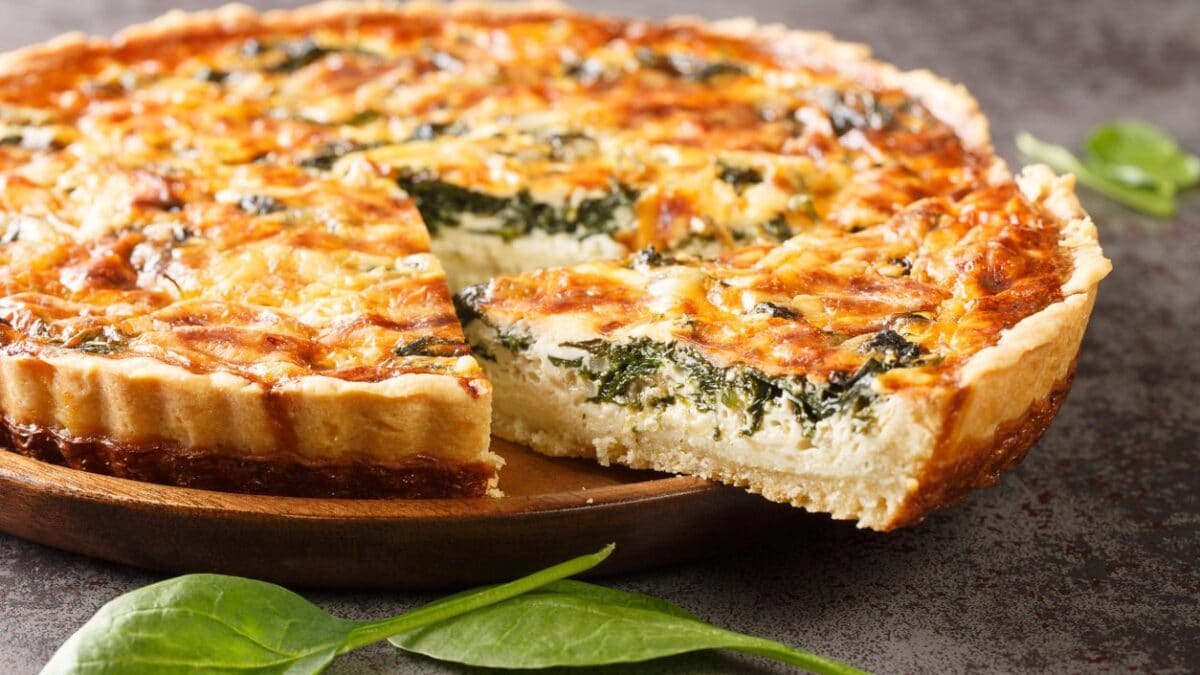
Tasty, practical, creative: savory pies are a versatile idea that can be used on many occasions. They can be made for a picnic or an office lunch, they're a delicious appetizer for informal dinners with friends and family, but they can also be served as a main course if accompanied by a fresh salad. Their success is due to their ease of preparation and the almost infinite choice of ingredients, focusing on great classics, imaginative combinations, and making the most of both seasonal vegetables and leftovers, as a way to clear out the fridge and reduce waste. Yet, this celebrated simplicity doesn't always manifest itself: a low blow to your self-esteem. Don't worry, though, because you've probably made a mistake: here we've selected seven, so common that you'll regain confidence in your culinary skills.
1. Always Using the Same Base

Savory pies made with ready-made puff pastry are a real convenience. Despite being very versatile, however, this dough isn't always effective, depending on how it's combined with the filling. When you have fillings containing rather liquid or very runny ingredients (like eggs and cream for quiches), you can opt for a firmer brisée, while for richer fillings, try olive oil shortcrust pastry, perfect for making crumbly and tasty savory pies. The very light filo pastry, on the other hand, pairs well with a more compact and drier filling (like the feta and spinach of Greek spanakopita), and crazy dough is an excellent solution for rolling vegetable strudel variations.
2. Having a Too Liquid or Too Dry Filling

Maintaining the right amount of moisture in the mixture is essential for a savory pie with a crispy crust and a soft interior. If the filling is liquid, the pastry risks remaining raw and breaking, especially at the bottom, while if it is dry, it could taste grainy or create a lumpy sensation in the mouth. Savory pies are generally filled with some of the ingredients that are previously cooked. Spinach, for example, and greens must be carefully squeezed, while zucchini, eggplants, and other vegetables must be drained of the water released or the oil used during cooking. The same goes for pancetta, which tends to produce excess fat. It is also best to cut mozzarella and leave it in a colander to drain, a rule that applies to all fresh cheeses. If, however, you notice that the mixture is hard even before baking, adjust with an egg, a drop of milk, or cream, depending on the recipe.
3. Being Too Generous With the Filling

This is a very common mistake, because people think that a generous filling makes the cake more delicious. In reality, the quantity must be balanced both with the type of filling (the ingredients can be chopped into pieces, arranged in layers, blended, minced, mixed with eggs or stringy cheeses, compacted without increasing in volume or swelling slightly) and with the type of crust, otherwise the baking will be uneven. The universal advice? Don't exceed two-thirds of the pan.
4. Underestimating Cooking

Savory pies don't need to rise, so they're relatively safe to bake if the previous steps have been followed. Line the pan or mold with parchment paper to prevent the dough from sticking, and preheat the oven so you can start baking immediately and avoid over-moistening the base when the filling comes into contact with it. Typically, the oven temperature is between 355°F/180°C and 395°F/200°C for 35-50 minutes, depending on the variables. If you're decorating the top with delicate ingredients (for example, a zucchini flower decoration), you can cover it with aluminum foil to prevent burning. Remove it toward the end or finish by grilling, keeping an eye on the situation.
5. Not Knowing About Blind Baking

For brisée, shortcrust pastry, and puff pastry, blind baking can be helpful when the filling is very moist and could soak the crust, leaving it raw or falling apart. Also known as blind baking, this means baking the crust alone first, covering it with a sheet of parchment paper and placing ceramic weights (or dried chickpeas) on top to prevent it from puffing up. The pastry will be firmer, crispier, and drier, so it absorbs less of the filling's liquid. Alternatively, before filling, prick the bottom with a fork: these will allow the moisture to escape during baking.
6. Not Sealing Well

We're used to thinking of savory pies as round and open, but there are also variations that include a complete shell, with a disc of pastry on top and bottom, or a parcel- style version, with two overlapping flaps enclosing the filling, or even a roll version. In these cases, it's crucial that the filling doesn't leak out, so make sure to seal well: press lightly along the seams with a fork or your fingers, and brush with beaten egg or water. If the pie looks like a sausage, roll up the side edges, folding them towards the bottom to prevent the filling from escaping.
7. Serving Immediately

Once baked, the savory pie needs to rest for a few minutes before serving. Allowing it to cool slightly ensures it will be firmer and easier to unmold and portion. One advantage is that most of these recipes are also good cold, as they can be made ahead of time and stored in the refrigerator. If the pie contains cheese that needs softening, simply reheat it in the oven or air fryer. While the microwave is not recommended if you want to maintain the crispiness, it's perfect for enjoying a slice of savory pie at work as a lunchbox, as the flavor remains unchanged.

