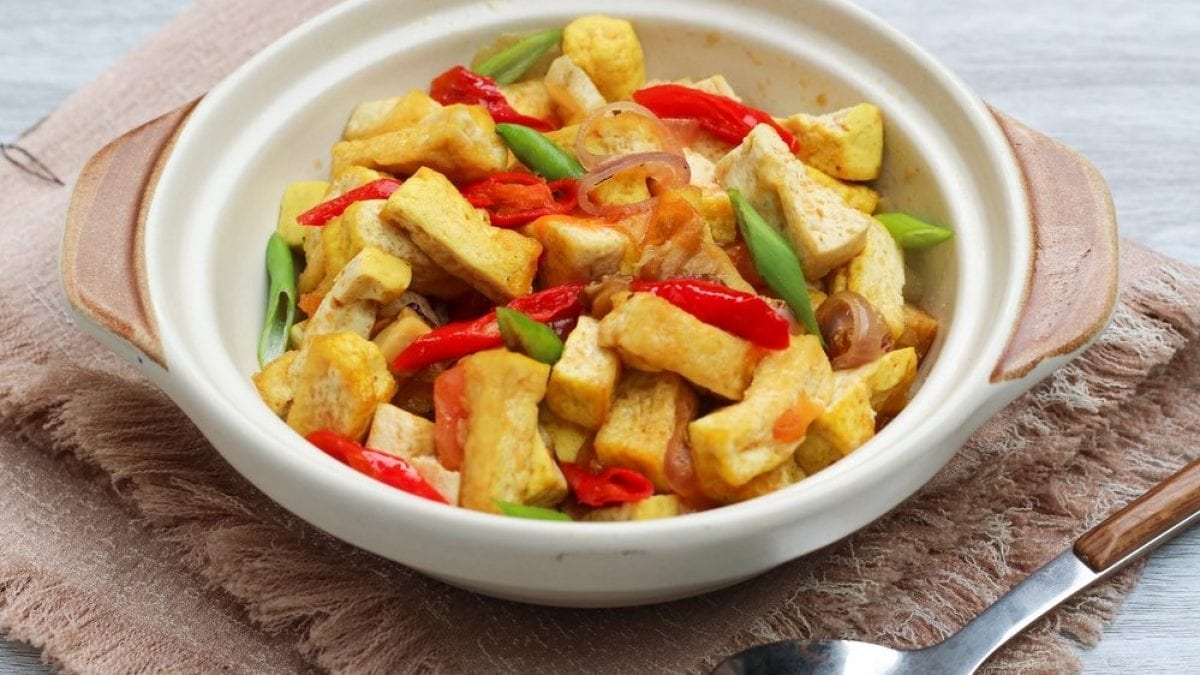
In recent years, tofu has become an increasingly popular ingredient: not only is it a food suitable for vegetarian and vegan diets, but it is also highly appreciated by those who want to vary their diet by trying different foods. Tofu is a product that comes from Asia and is obtained from a legume, soybeans, specifically from the curd of soy "milk", obtained from the seeds that are hydrated, ground and then filtered. From a nutritional standpoint, it is a good source of protein, low in calories and saturated fats (unsaturated fats prevail). Furthermore, it contains no cholesterol, gluten or lactose (while it is forbidden for those allergic to soy). The downside is in the more strictly gastronomic aspect: the natural flavor of tofu is bland and those who try it for the first time often experience the effect of a "tasteless sponge" in their mouths. Yet, there are countless recipes that see it golden, crunchy and, overall, very appetizing. The secret? Avoiding common mistakes during preparation and cooking, such as forgetting to press it, which causes excess water to make it mushy, or forgetting to season it, such as with fragrant marinades, which enhance its flavor. Here are 7 mistakes to avoid so you can serve it without disappointment.
1. Ignoring The Different Types of Tofu
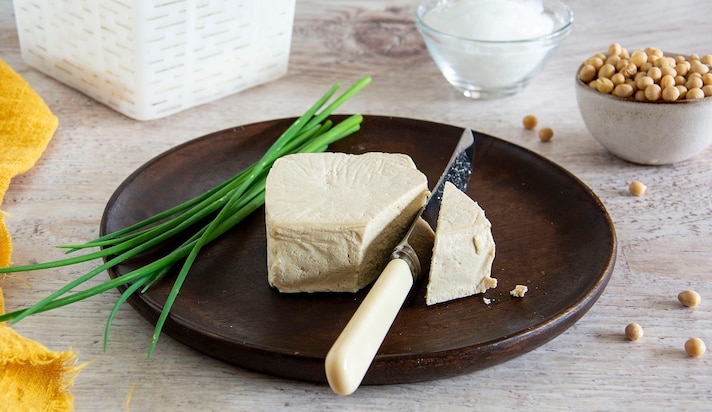
While in the past, supermarkets only offered one variety of tofu to use in every recipe, with varying degrees of success, the selection has now expanded and it is possible to find a wider range of types. The most popular in large-scale retail outlets remains compact tofu, which can be firm (firm, extra firm) or slightly softer (medium firm): it has the advantage of holding its shape during cooking, perfect for cutting into even slices or cubes without losing its structure, for sautéing, grilling, griddling, or baking. Easy to find in Asian shops are the soft versions, with a dense, creamy, and velvety texture: the silken variety is so soft it melts in the mouth. These tofus are ideal for making sweet and savory dishes such as puddings, mousses, fillings, scrambling (like eggs), dipping into soups, and for enhancing very hot dishes such as the classic Sichuan mapo tofu. Finally, there is dry tofu, which is dried: it needs to be rehydrated in water and then cooked as desired in a wok or in soups, as it retains flavors very well.
2. Not Removing Excess Water
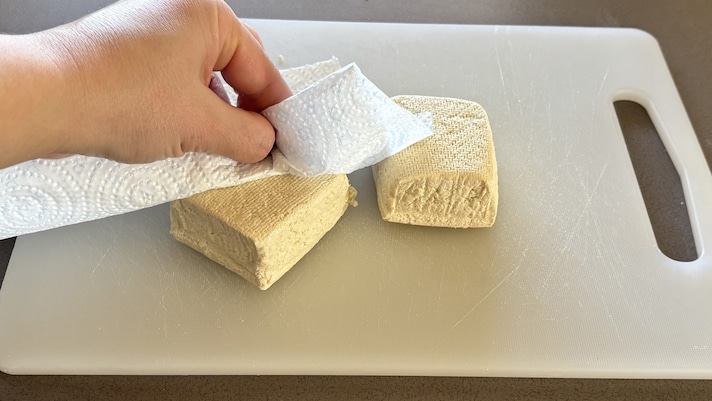
Tofu contains excess liquid inside the package, which must be removed to avoid a product that poorly absorbs seasonings and remains mushy during cooking. Draining it thoroughly isn't always enough, as is done with ricotta. When working with firm tofu, it's necessary to press the block before using it: wrap it in a clean cloth and press down with your hands to release the water, then carefully pat all sides dry with paper towels.
3. Leaving It Whole
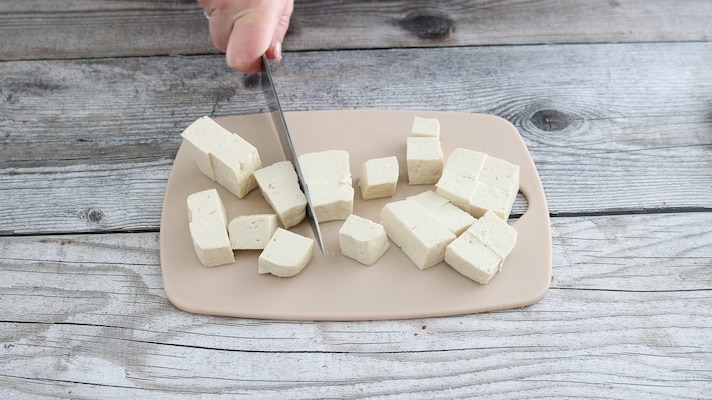
Once the block is “dried”, do not use it whole: since it is thick, it is advisable to cut it into slices or cubes (calculate 2 cm high), so that it is flavored evenly and cooking is quicker.
4. Underestimating The Condiments
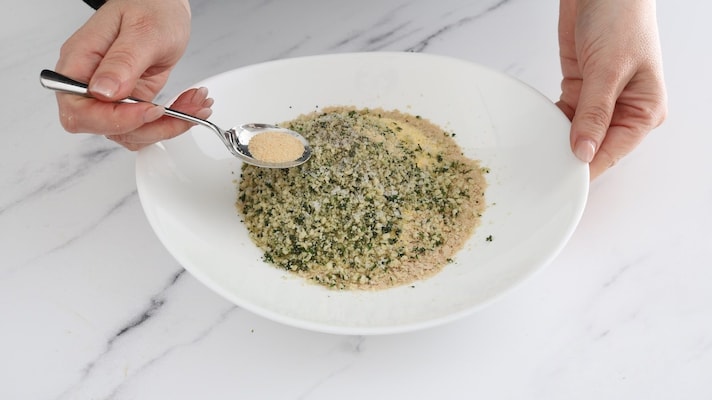
You can find tofu on the market enriched with seaweed, spices, Mediterranean herbs, or smoked: in most of these cases, it's practically ready to use. Buying it plain, however, means you have a neutral base on which to build your recipe, and this is where seasonings come in, essential for flavoring, otherwise it will be bland. Soft, velvety tofu is delicate and can also be eaten simply garnished with a sauce (most often soy sauce) and chopped spring onion, while firm tofu becomes delicious when marinated. The advantage is that you can choose the combinations you like best. The aforementioned soy sauce is usually always present: enhance it with chili pepper, ginger, garlic, or onion powder, or add orange juice, curry, or aromatic herbs. Take your time: let it rest for 3-4 hours to allow the ingredients to blend together. If you want to fry tofu, however, half an hour can be enough to add flavor (try with lemon juice and zest, oil, salt and pepper), as it will then be dipped in batter and breaded, steps that help make it delicious.
5. Cooking It The Wrong Way
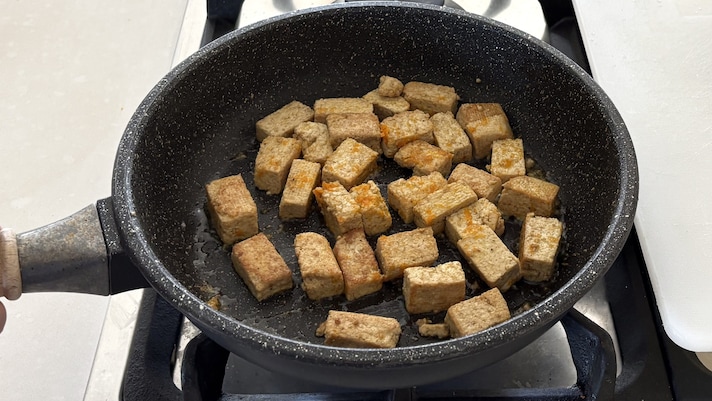
Tender on the inside and with a crispy crust: this is how delicious tofu appears on the plate. It is usually obtained by browning it in a little oil in a pan, preferably seed oil, which can withstand higher temperatures well. Initially, a high flame helps create the surface layer: then, lower the heat and cook it: this change will prevent it from burning or remaining mushy.
6. Not Pairing It Well In Your Dishes
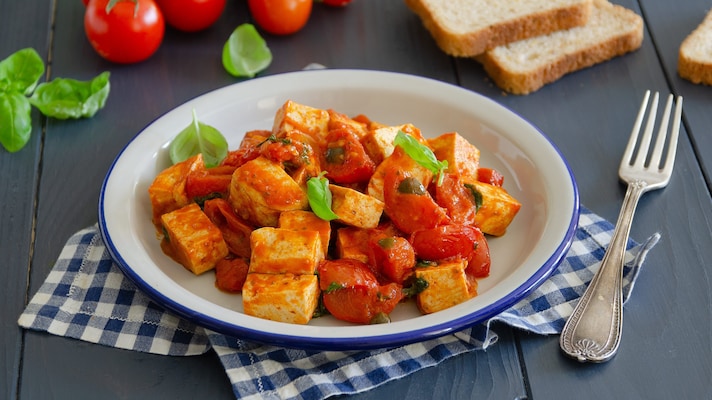
In addition to aromatic herbs, spices, and sweet and sour sauces that are essential as a condiment, tofu, being a protein food, works very well with vegetables, including broccoli, cabbage, bok choi, peppers, zucchini, eggplant, carrots, and asparagus, chosen according to the season. Mushrooms and tofu are a successful combination, as the former contributes to that characteristic and tantalizing umami flavor typical of Asian cuisine: try shiitake mushrooms (excellent in soups or stir-fried) or oyster mushrooms, or you can even create vegan scallops with mushrooms. Don't forget the carbohydrates: marinated tofu slices are easily accompanied by basmati rice and jasmine rice, which mixes with the sauce, creating a wholesome dish. Otherwise, make way for richer compositions, featuring noodles and vermicelli, from vegan ramen to wok-cooked main dishes.
7. Not Trying to Freeze It
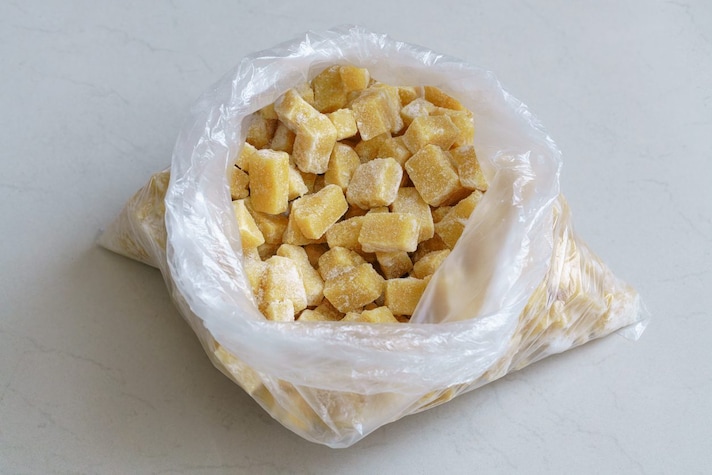
Regarding tofu storage: if you don't consume it all at once, you can keep it in the refrigerator for 2-3 days covered with water – changed once a day – in an airtight container. Be careful, because the longer you keep it, the more sour it becomes. Firm tofu can also be frozen: it's important to drain it of excess liquid and place it in a freezer-safe plastic bag. Frozen tofu thaws in the refrigerator or in the microwave with a defrost function, and has a very interesting detail. Due to the formation of ice crystals, the interior has become more porous, making it suitable for all those recipes that call for it in soups and broths, as its ability to absorb flavors has increased.
;Resize,width=767;)
