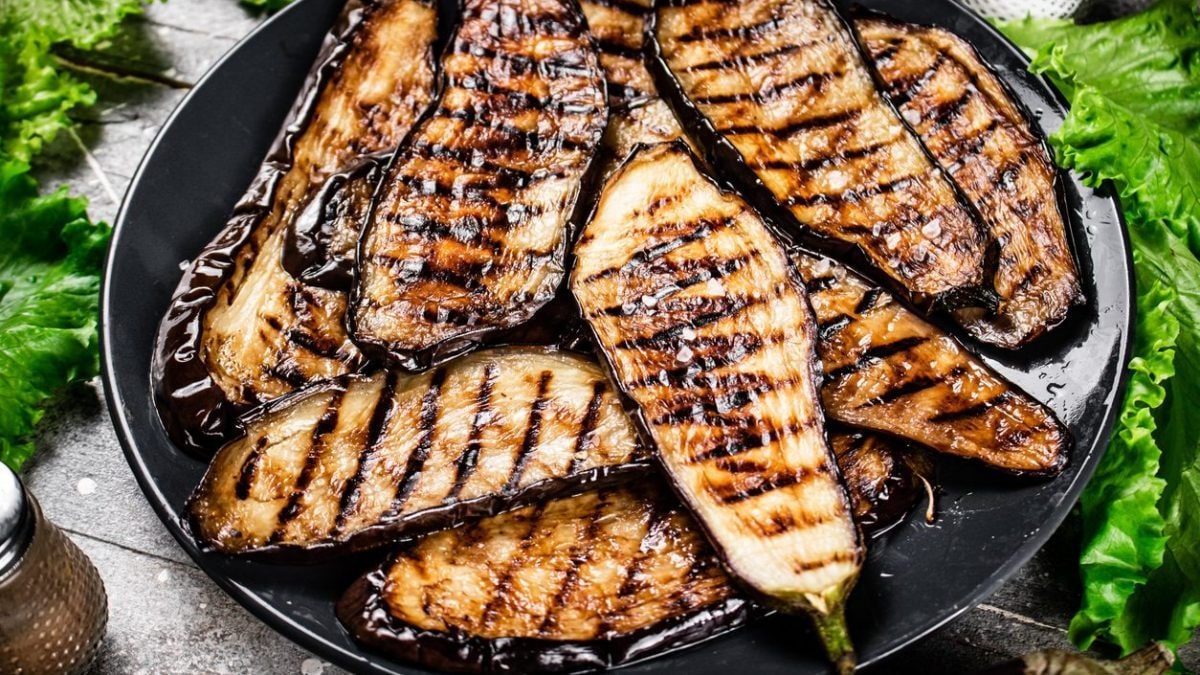
Eggplants are among the most beloved vegetables in Mediterranean cuisine, the star of iconic recipes like parmigiana, caponata, or simply grilled with a drizzle of olive oil. However, despite their versatility, they aren't always treated properly: they often turn out bitter, spongy, or excessively oily. Cooking them properly requires a few tricks, and above all, beware of some common mistakes that compromise their flavor and texture. Let's look at the main mistakes to avoid when using eggplants in the kitchen and how to fix them to always achieve impeccable results, regardless of the recipe.
1. Not Salting Your Eggplants
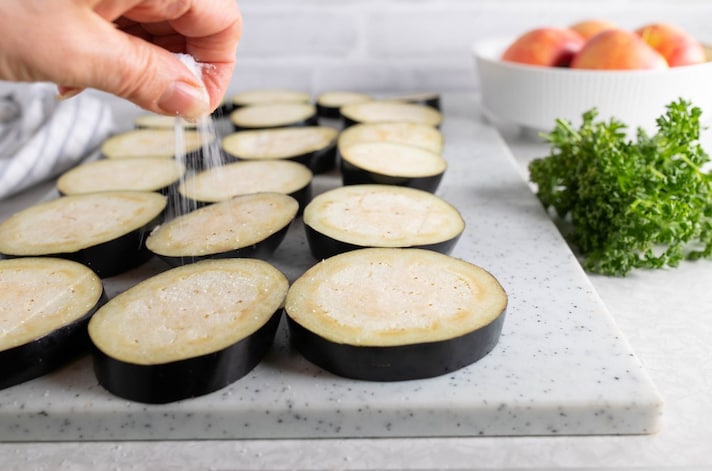
Many people ignore this step, considering it superfluous. In reality, purging eggplants, or salting them, removes some of the water, which is often responsible for the bitter taste typical of some varieties. It's very simple: cut the eggplants into slices or cubes and sprinkle them with coarse salt. Let them rest in a colander for at least 30-40 minutes, then rinse and dry them thoroughly with paper towels. This step not only reduces the bitterness, but also makes the eggplants less spongy and more suitable for dry cooking methods such as grilling or pan-frying.
2. Using Too Much Oil Or Cooking At Low Temperatures
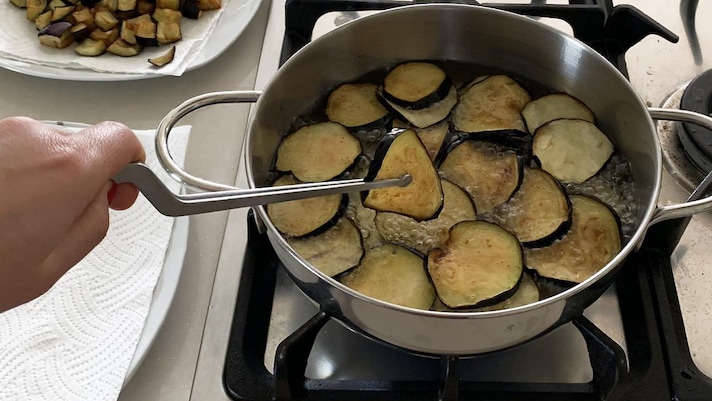
Eggplants are like sponges: they absorb all the oil they encounter. Too much oil can result in a heavy, indigestible dish, often with an unpleasant, greasy texture. A good trick is to brush the eggplant slices with a little oil before cooking, rather than pouring it directly into the pan. Alternatively, you can bake or grill them for a lighter but equally tasty version. If you must fry them, it's best to do it quickly in boiling oil, so they absorb less. Again, be careful about the oil temperature; if it's too low, the eggplant will absorb a lot of it.
3. Cooking Them Too Little or Too Long
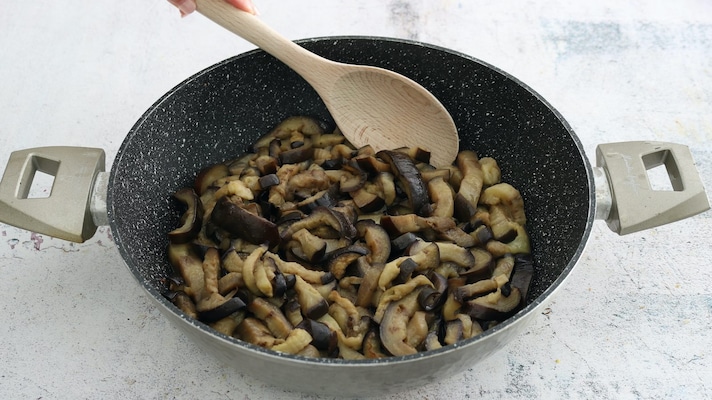
Incorrect cooking can ruin eggplant: if undercooked, they remain tough and stringy; if overcooked, they become soft and watery, losing flavor and texture. Cooking time depends on the thickness of the cut and the method chosen. In a pan, about 10-12 minutes is enough, while in the oven, 25-30 minutes at 355°F/180°C. Make sure the eggplant is soft but still whole. A simple test is to pierce it with a fork: if it goes in easily, it's ready.
4. Peeling Them Completely
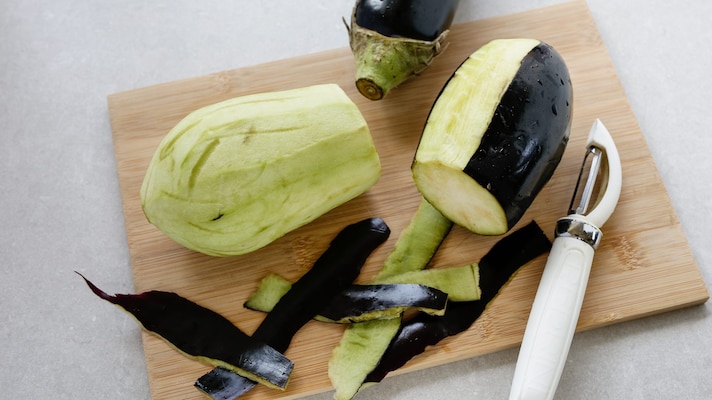
Eggplant peel is often demonized, but it's precisely there that valuable fiber and nutrients are found: furthermore, leaving it on helps the eggplant retain its shape during cooking. If the peel is too thick (as in some large, dark varieties), you can partially remove it in strips. In many cases, however, it's better to leave it on: it makes the dish more rustic and visually interesting. Only if the eggplants are very old and hard does it make sense to peel them completely.
5. Not Pairing or Seasoning Them Correctly
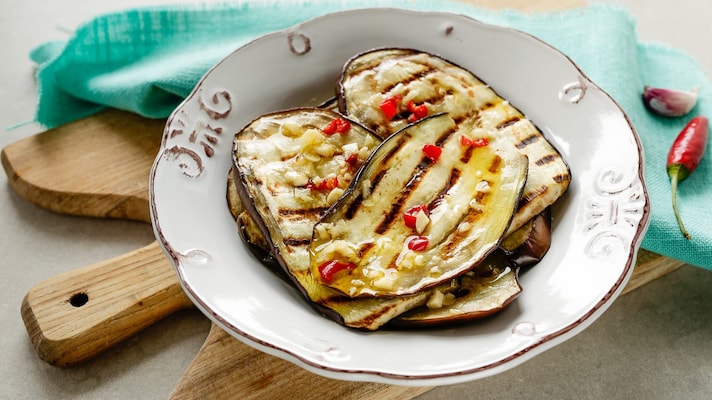
Eggplant has a bold flavor, but it needs to be enhanced with the right combinations. Using seasonings that are too mild or bland risks making it taste less appealing. So, give free rein to strong, aromatic flavors: garlic, oregano, basil, tomato, aged cheeses, chili pepper. Vinegar —especially balsamic or apple cider vinegar—and mint are also perfect allies. The key is to balance the flavors: a well-seasoned eggplant becomes the star of the dish, never a mere side dish.
6. Underestimating Eggplants' Varieties
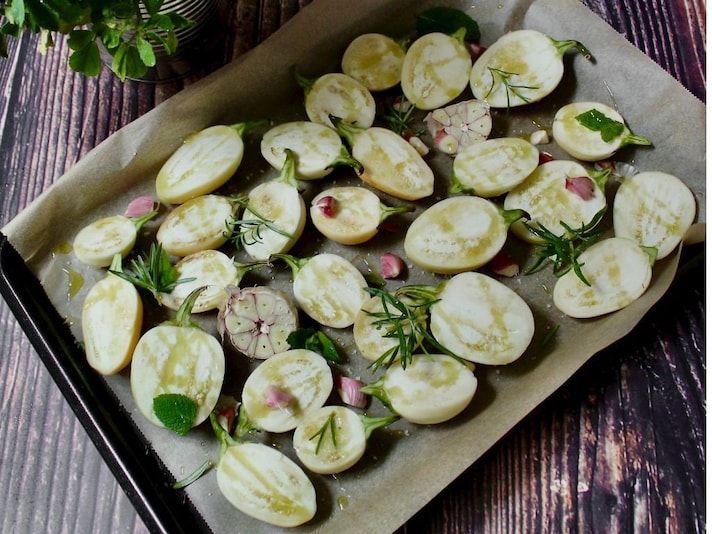
Not all eggplants are the same: some are better for frying, others for grilling, or for making creams. Using the wrong variety can compromise the final result. Round, dark purple eggplants are ideal for frying and therefore for parmigiana; long, narrow ones are perfect for grilling; white eggplants are sweeter and creamier, excellent for roasting or blending into creams and sauces. Choose the variety based on the recipe you want to prepare.
7. Using Them When They Are Too Old
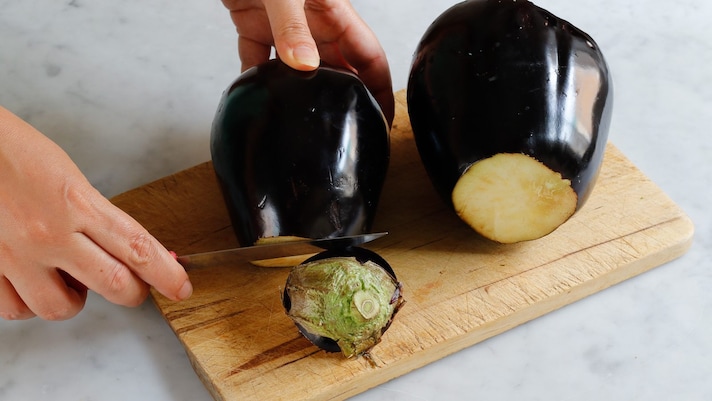
Eggplants should be eaten fresh: over time, the flesh becomes bitter, stringy, and full of seeds, but the skin also tends to toughen. When purchasing them, choose firm eggplants with shiny, blemish-free skin. The stem should be green and firm. If they feel soft or too light to the touch, they're probably old: it's best to avoid them.
;Resize,width=767;)
