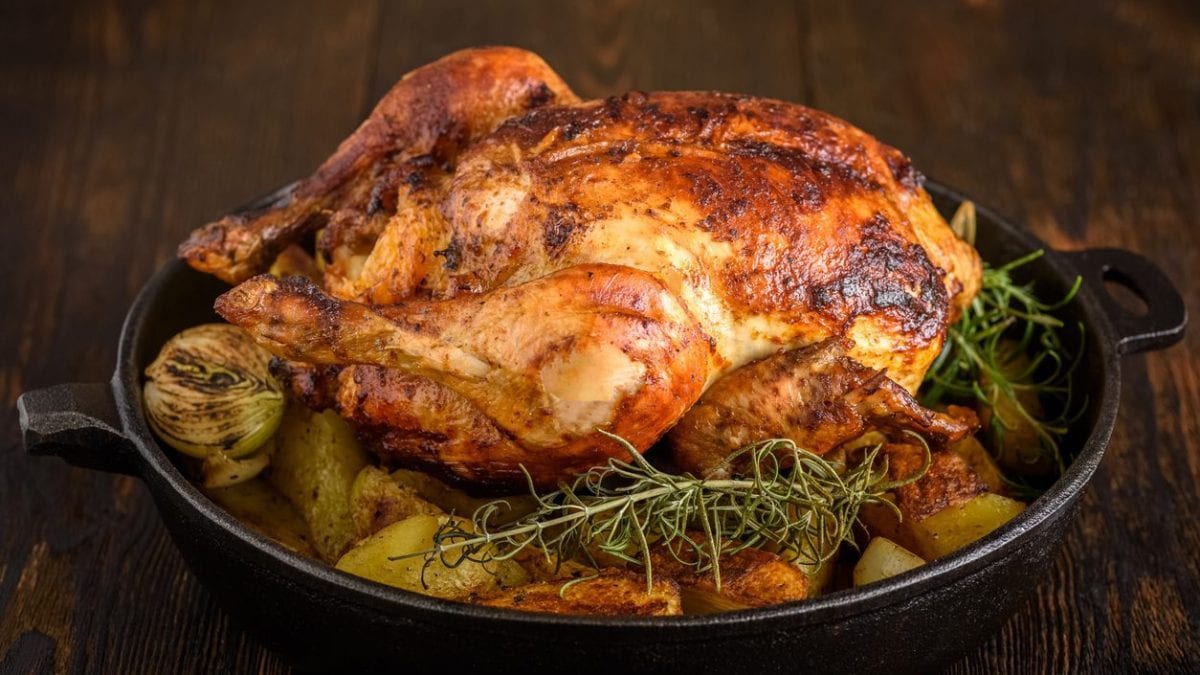
Some dishes perfectly convey the world's typical table manner, a blend of conviviality and tradition. This is the case with roast chicken: a status symbol, a great Sunday lunch classic that wins you over with its flavor and simplicity, especially when paired with roast potatoes or French fries. Preparing succulent rotisserie-style chicken is possible, just follow a few tips and avoid the most common mistakes. What are they? We've found 7: here's how to avoid them.
1. Thinking That All Chickens are The Same

The quality of the raw materials influences the final result of the recipe and in this case it proves very important for multiple factors, ranging from taste to animal welfare. When purchasing, try to avoid chickens that come from intensive farms: the vast majority, in fact, are broiler chickens, birds forced to grow quickly to increase productivity and lower costs. They usually have very watery and flavorless meat. Instead, opt for an organic chicken, raised outdoors, or, better yet, free-range, that has had the opportunity to roam freely and has been fed natural feed. The price will go up, but the dish will benefit.
2. Using Cold Chicken Straight From The Fridge

A recommendation that applies when cooking meat in general, including steak. Never put it on the stove or in the oven straight from the fridge or in contact with heat; the thermal shock risks stiffening the fibers, resulting in a tough, dry result. Chicken is no exception. If you've kept it in the refrigerator, bring it back to room temperature and pat it dry with paper towels before working with it: this way, crispiness is (almost) guaranteed.
3. Underestimating the Condiments

The distinctive aroma of roast chicken is primarily due to a generous dose of seasonings that enhance the bird's delicate white meat. In many recipes, including ours, the advice is to go generous with the aromatic herbs (such as chopped rosemary, sage, thyme, and marjoram), pairing them with a couple of garlic cloves, extra virgin olive oil (or butter), and salt. Add the flavoring ingredients to the inside of the chicken and into the various cavities (such as the space between the wings and the body), and massage the outside thoroughly to distribute them evenly. For fresher, more Mediterranean flavors, you can also use citrus slices, such as orange and lemon, while for an ethnic touch, you can add sweet or hot paprika powder.
4. Not Tying the Whole Chicken

Oven-roasted chicken can be cut into pieces (thighs, wings, breasts, drumsticks), but the most visually appealing recipe is undoubtedly the whole one. Once seasoned, before baking, remember to tie it with string to give it a more compact shape: this ensures even cooking, thanks to better heat distribution, and allows the juices to remain inside, reducing the risk of stringiness.
5. Cooking It With Too Much Liquid

Cooking can be tricky: the chicken must remain moist to avoid drying out, so basting it occasionally with its juices is essential. At the same time, however, it must not boil, but remain crispy. What you need to watch out for is the "sauce" from the browning that remains at the base and can soak the lower part when it comes into contact with the pan. A trick to prevent this from happening with your roast: create a double support with a rack to place the chicken on: the juices will drain and collect on the lower level.
6. Cooking It Wrong

There is no single school of thought on cooking chicken: some prefer a static oven (gentler, more reliable) and others a convection one (more aggressive, the skin becomes crispy, but there is a greater chance of the inside drying out). In both cases, it is best to preheat between 375°F/190°C and 430°F/220°C, with the cooking time depending on the size of the chicken: you can calculate 50 minutes for each kilo, which is why cooking usually takes around an hour and a half. To be sure that the chicken is cooked, using a meat thermometer can make all the difference: insert it into the thickest part of the thigh, without touching the bone which could distort the result, and check if it reaches 175°F/80°C.
7. With or Without Potatoes?

The combination of chicken and potatoes in the oven is a timeless classic. The question arises spontaneously: should the two foods be cooked together or is it better to do it separately? Always speaking of the whole chicken, then the answer is the latter: the chicken without the potatoes browns all over, while the potatoes are crispier on the outside and softer on the inside thanks to the action of the convection oven, which is less safe, however, for roast chicken. If your chicken is in pieces, then the combination becomes a very practical solution, with the vegetable gaining flavor, although some of the potatoes may remain softer.
;Resize,width=767;)
