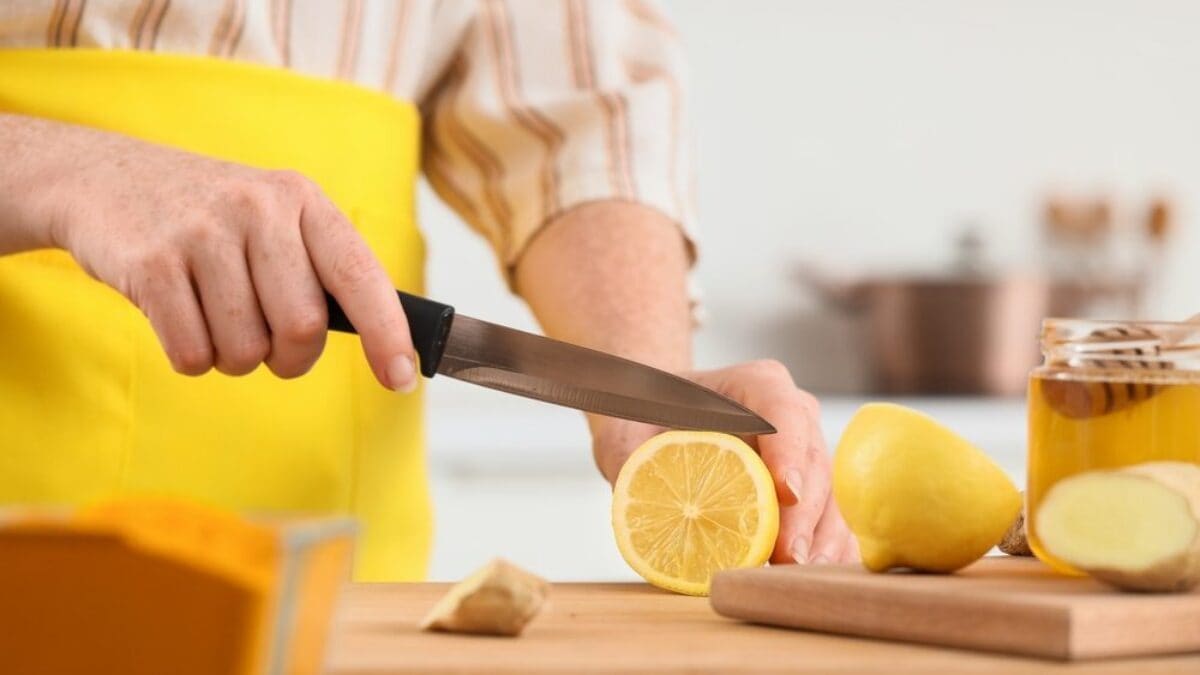
A touch of citrus in recipes is the (not so) secret ingredient of many chefs: some learned after trying the Mediterranean cuisine typical of Southern Italy, where lemons and oranges are true local delicacies. Grapefruit and lime, versatile in both savory and sweet recipes, and mandarins, especially present in cakes and biscuits, also join the mix. Citrus fruits in the kitchen become an ace up the sleeve for achieving multiple purposes: they add flavor, provide freshness, are a concentration of vitamins and antioxidants for health, and thanks to their acidity, they contribute not only to flavor, but also to tenderizing foods by modifying the structure of proteins, which is why they appear among the main ingredients in marinades. Let's see how to best use lemons and citrus fruits in the kitchen, focusing on the mistakes to avoid.
1. Using Only the Juice
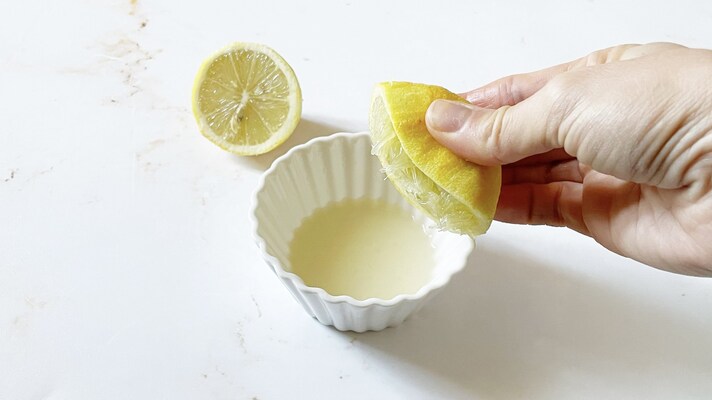
Let's start with a very common mistake: favoring the juice over other parts of the citrus fruit. From a zero-waste perspective, even the zest proves to be a valuable ally when it comes to flavoring a food or preparation, and you have organic, untreated fruit at your disposal. It can be used grated into dough or as a final garnish, or as a thicker zest, obtained with a potato peeler or a small knife. In the latter case, it is very practical in pastry making, for example, when you want to flavor milk or cream to make custards, puddings, and panna cottas, as it can be left to infuse and then easily removed.
2. Always Discarding the Albedo
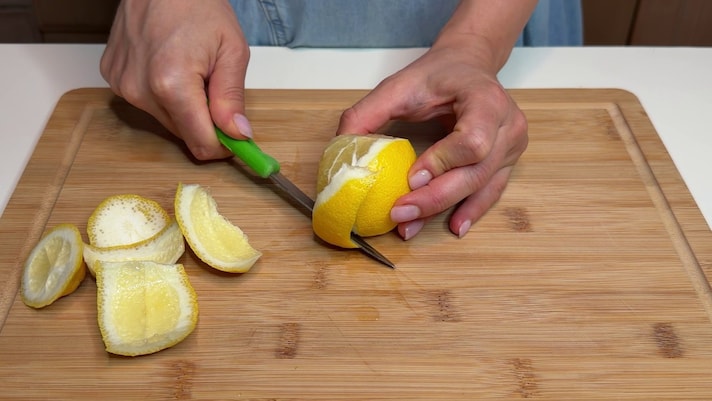
We commonly call it "the white part" of the peel, but the correct term is albedo, which refers to the inner layer, generally white – hence the name – and spongy, that makes up the peel of citrus fruits. It has a naturally bitter taste and, therefore, if added to delicate recipes, for example grated or chopped together with the peel, it could negatively affect the final result. The situation changes when it is candied: the albedo, in fact, goes from being a waste product to a traditional specialty, especially when present in abundance, as in some varieties of lemon. It is cut into strips and dried for 24-48 hours covered in coarse salt, then washed thoroughly and sweetened in a syrup of sugar and water. Also remember that it is rich in fiber and antioxidants: don't eliminate it completely when eating an orange, tangerine, or grapefruit plain or if you use the segments raw in a salad.
3. Preparing Them in Advance
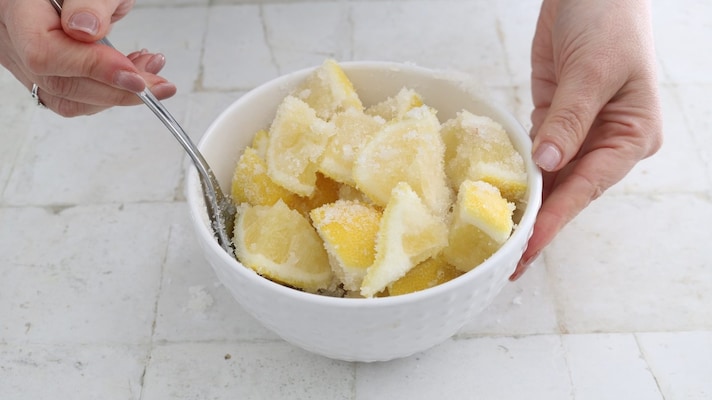
Cut and juice citrus fruits only when they're added to a recipe: grate the zest and season immediately, or extract the juice and baste it immediately over meat or fish. A lemon cut in half, for example, left unprotected will quickly oxidize when exposed to air and in the refrigerator, turning brown, while the juice can lose its fragrance and turn bitter.
4. Putting Them in Direct Contact With the Food for Too Long
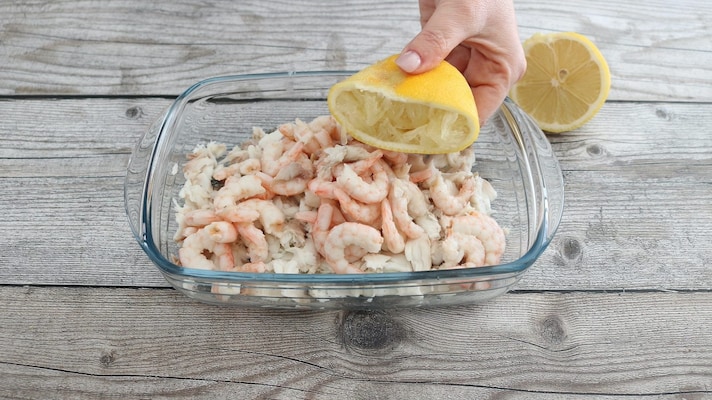
A common misconception is that the longer citrus juice is left in contact with food, the more flavor it will impart. In reality, citrus juice, due to its high acidity, can be quite invasive if used in large quantities and for prolonged periods, as it denatures the proteins in foods (we see this especially with meat and fish, which darken). For final garnishes, grated zest enhances the flavors much more without affecting the tissues, while for marinades, it's best to prepare the dressing first, mixing the chosen citrus fruit with oil and then immersing the food for the time indicated in the recipe. Even for salads, a citronette-based dressing is better than a squeeze of pure lemon: furthermore, this way the vegetables are flavored more evenly.
5. Underestimating Sliced Citrus Fruits
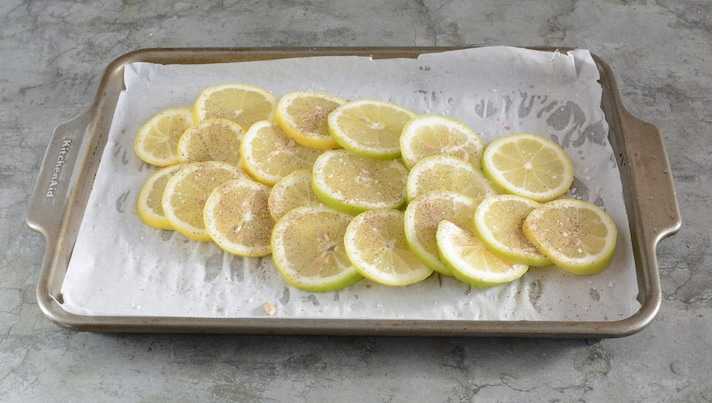
Especially in baked and steamed fish recipes, sliced oranges and lemons become the winning detail of the preparation. How are they used? You can place a couple in the belly of a sea bream or sea bass, along with garlic cloves and a sprig of aromatic herbs, or inside the foil, with the fillets or the whole fish: the juices and aromas are slowly released with the heat, gently flavoring and aromatizing the flesh. You can apply the same principle to steaming, placing a salmon fillet on a bed of citrus slices and cooking it in the traditional way with the lid on.
6. Believing That Lemon Kills Bacteria
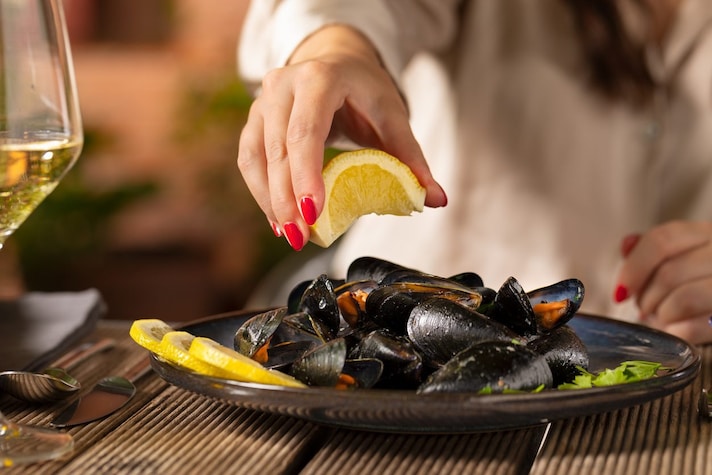
Among the most popular and hard-to-eradicate fake news is the one that lemon has a bactericidal effect on microorganisms potentially dangerous to health and that it disinfects food. This is a false belief, which can lead to incorrect behavior resulting in more or less serious poisoning: a little lemon juice alone isn't enough to make raw mussels safe to eat, just as it has no effect on the anisakis parasite found in fish: to consume it without cooking, it must be frozen.
7. Should You Put Lemon on Fried Food?

Answering this question is practically impossible. The pairing applies to both fried fish and cutlets: both dishes are often served with a freshly squeezed lemon wedge. Purists barricade themselves behind a firm no: the juice softens and ruins the crispness, while citrus lovers appreciate the refreshing, lively acidity that adds to a dish that can be a bit greasy and heavy. The compromise? Don't overdo it: a few drops will do.

