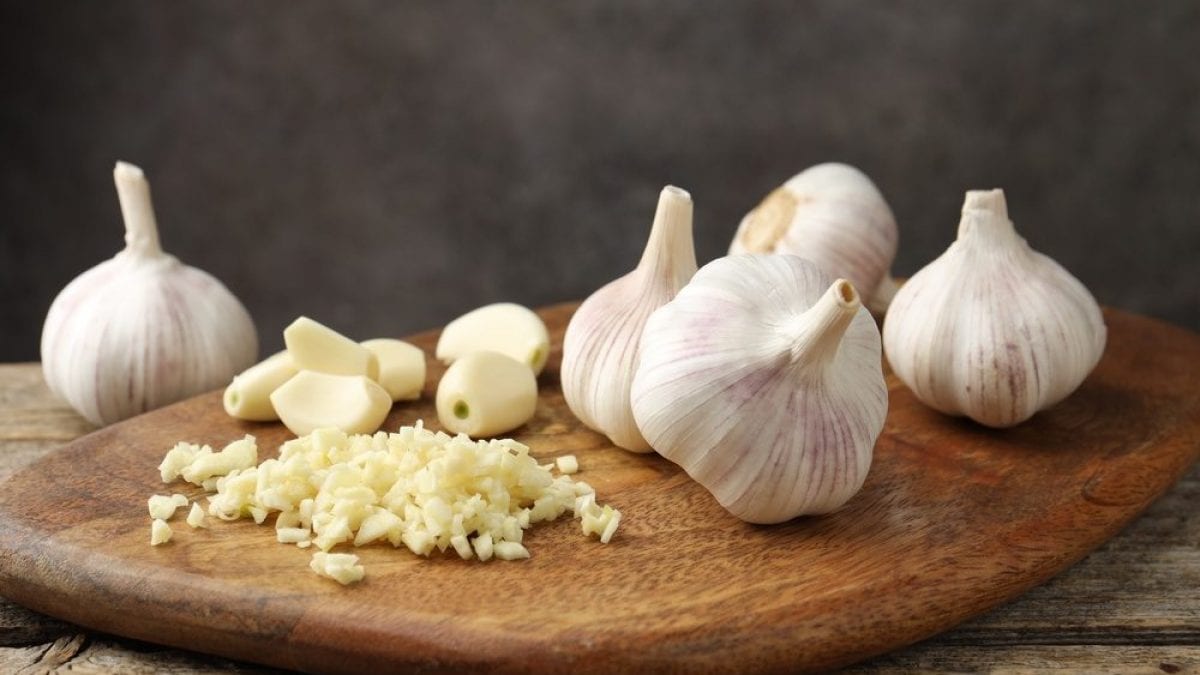
Intense, aromatic, and the star of countless recipes: garlic is one of the most widely used ingredients in Italian cuisine, capable of enhancing flavors and giving depth to even the simplest dishes. Rich in benefits and available in many varieties, garlic is never missing from Italian pantries: from basics like soffritto and sauces to more elaborate preparations, it is often present in small quantities but has a decisive impact, because its aromatic compounds develop and transform easily depending on the cut, temperature, and cooking time. Precisely for this reason, however, it is also easy to make mistakes: just one incorrect use can make it invasive, bitter, or difficult to digest, altering the balance of the entire dish. Understanding its characteristics and knowing how to handle it properly is essential to truly enhance its value. So let's look at the most common mistakes when using garlic and how to avoid them.
1. Using Old or Sprouted Garlic

The quality of the garlic has a significant impact on the final result, but it's often overlooked: dry, soft cloves, or cloves with a developed internal sprout, tend to have a stronger, more pungent flavor and are also harder to digest. The sprout, in particular, is responsible for bitter, lingering notes that can ruin the dish. Choosing firm, compact garlic with no signs of germination is the first step to achieving a more balanced flavor. If the sprout is already present, it's a good idea to remove it before using.
2. Not Measuring It Correctly

Garlic is not a neutral ingredient: too much can completely overwhelm other flavors. One of the most common mistakes is using too much, thinking it will make a dish tastier, when in reality, the result is unbalanced and lacking in harmony. The amount should always be adjusted based on the recipe and the other ingredients, keeping in mind that the intensity also varies depending on how it is cut and cooked. It's better to start small and adjust, rather than overdo it from the start.
3. Cutting It The Wrong Way

The way garlic is prepared directly affects its flavor and aromatic intensity. Using it unpeeled, or skinned, allows for a very delicate, almost sweet aroma, ideal when you simply want to flavor oil or a dish without overpowering it. A whole, peeled clove, on the other hand, releases a slightly more pronounced yet still balanced aroma, especially if removed. Cutting it in half increases its intensity, exposing the inner layer and facilitating the diffusion of aromas, while chopping it finely makes it much more penetrating and dominant. Finally, crushing or pureeing it further amplifies this potency, more markedly releasing the sulfur compounds responsible for its pungency.
Another often overlooked step is removing the heart, the internal shoot: this part tends to have a more pungent and slightly bitter flavor than the rest of the pulp, and can also be more difficult to digest because it concentrates some of the most aggressive sulfur compounds. Removing it is simple: simply split the clove in half lengthwise and lift the shoot with the tip of a knife. This procedure allows for a more rounded, less invasive, and more balanced flavor, making the garlic suitable even for delicate preparations or for those who have difficulty tolerating it.
4. Letting It Burn in The Sauce

One of the most common mistakes is putting garlic in a pan and cooking it too long or at too high a temperature. Burnt garlic develops a bitter, unpleasant flavor that spreads throughout the dish, ruining it irreparably. Being very delicate, it requires brief, controlled cooking: it should lightly brown, not darken. It's important to monitor it constantly and, if necessary, add other ingredients in time to lower the temperature.
For example, adding garlic to a pan with already smoking oil is a mistake that almost inevitably leads to burning it in a matter of seconds. The ideal is to start with oil at a moderate temperature, add the garlic, and let it heat gradually, so that it can release its aroma without suffering thermal shock. This allows for a more even distribution of flavor and reduces the risk of bitter notes.
5. Not Removing It When Necessary

In some recipes, garlic serves only to flavor the oil and isn't intended to be eaten. Leaving it on the dish when not in use can make it too intense or unpleasant to bite, especially if used whole. In these cases, it's best to remove it once it has released its aroma, thus maintaining a more balanced and delicate flavor.
6. Using It Raw Without Balance

Raw garlic has a much more pungent flavor than cooked garlic and can be difficult to handle. Adding it directly to sauces or dressings without balancing it with other ingredients risks making it overpowering and unpleasant. To tone down its strength, you can chop it finely and let it rest for a few minutes, or combine it with acids or fats that tone down its intensity. In this case, the amount of garlic used must also be carefully measured.
7. Not Considering Digestibility

Garlic is known to be difficult for some people to digest, especially when consumed in large quantities or raw, when its sulfur compounds are more active and aggressive. Ignoring this aspect can make the dish not only too intense on the palate, but also difficult to digest, leaving a lingering and unpleasant sensation. Digestibility, however, depends largely on how it is treated: removing the inner core reduces the more pungent notes, while gentle, controlled cooking tones down its strength, making it more aromatic and less invasive. As mentioned, the cut also plays a role, as a whole or unpeeled garlic is more delicate than a finely chopped one. With these precautions, you can maintain its aromatic contribution without weighing down the dish or the body.
9. Using It in Unsuitable Preparations

Not all dishes benefit from the presence of garlic, and it's a mistake to automatically include it without considering the context. In delicate dishes, for example, it risks completely overpowering the other flavors: a creamed zucchini soup or a creamed pea soup loses its finesse if too much garlic is present, especially if minced. In these cases, if you absolutely must use it, it's best to opt for a clove in its skin, leave it to infuse and then remove it. The same goes for dishes where the raw material takes center stage, such as steamed or grilled fish, tartare, or fresh mozzarella: garlic can be invasive and alter the natural balance of flavors.
How to Remove the Smell of Garlic From Your Hands
The lingering smell of garlic on your hands is due to highly reactive sulfur compounds, such as allicin, which form when the clove is cut or crushed and tend to bind to the skin. For this reason, simply washing with soap and water isn't always enough to completely eliminate them.
One of the most common remedies is rubbing your hands on a stainless steel surface under running water. This method has a plausible chemical basis, because sulfur compounds can interact with metals, but it's important to clarify that there's no definitive scientific proof of its effectiveness: it works in many cases, but it's neither guaranteed nor "magical."
A more reliable method, however, is the combined action of rubbing and slightly acidic or abrasive substances. Lemon juice or vinegar help neutralize odors thanks to their acidity, while ingredients like salt or baking soda act primarily mechanically, helping to remove odorous residue from the skin. Coffee grounds can also help, combining light abrasion with odor-masking action. In any case, it's important to rinse your hands well and dry them thoroughly: residual moisture tends to retain odors longer.
;Resize,width=767;)
