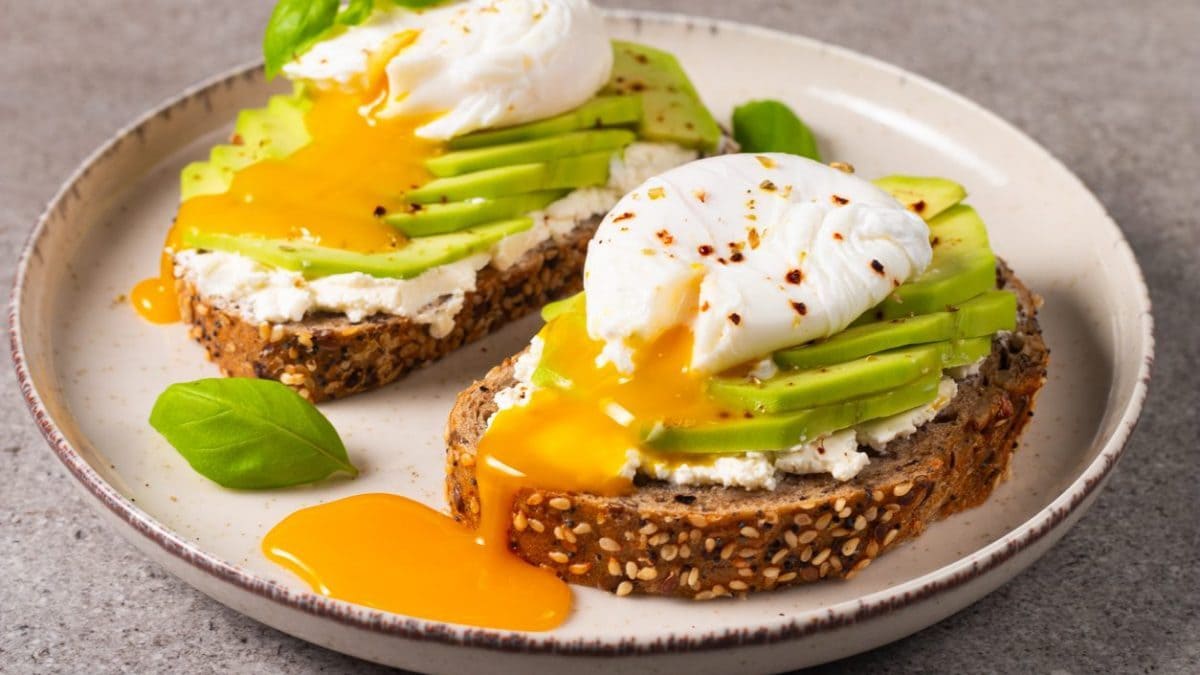
Simple, spectacular, versatile: poached eggs deserve a place among those essential preparations created to amaze. They are also known as drowned eggs: the recipe calls for the shelled egg to be cooked in hot water, resulting in a soft and creamy yolk completely enveloped by the hardened egg white, just as if it were wearing a shirt. This play on textures enhances various dishes, from soups to crostini, through to eggs Benedict or avocado toast, perfect for brunch or a savory breakfast. Like all minimalist recipes, mistakes are inevitable: poached eggs in particular are characterised by a specific technique, which can initially be discouraging, but with a little practice, mistakes can be avoided. Here, we illustrate nine very common ones, with the relative solutions.
1. Not Using The Freshest Eggs
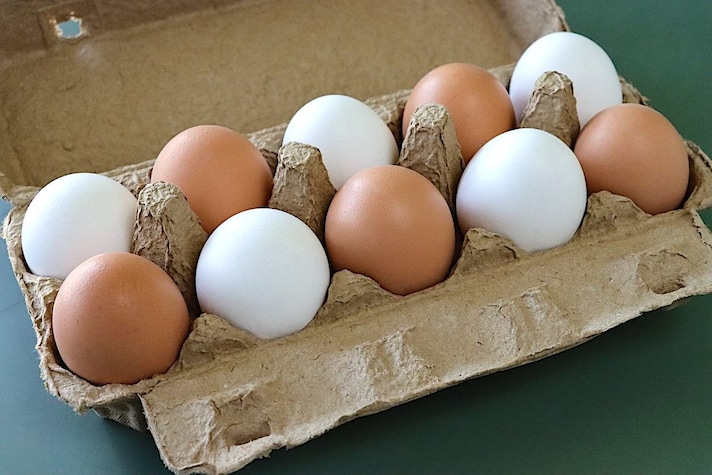
For this preparation, the eggs must be very fresh, rather than fresh: ideally, they should be no more than 3-4 days old, or a week at most. Over time, the proteins that make up the egg white tend to degrade, causing the liquid portion to separate from the solid portion. The result will be an egg white that is no longer compact and "clings" to the yolk, but one that detaches and frays, further clouding the water.
When purchasing, pay attention to the laying date, indicated on the packaging with the acronym DEP: since this information is optional and not mandatory, if it is missing you can adjust it with the expiration date, which is set by law at 28 days after laying. If you have eggs that are past the ideal age, a trick – actually always useful – is to gently break them by filtering them through a fine-mesh strainer, so that only the most gelatinous part of the egg white remains attached to the yolk.
2. Using The Eggs Immediately
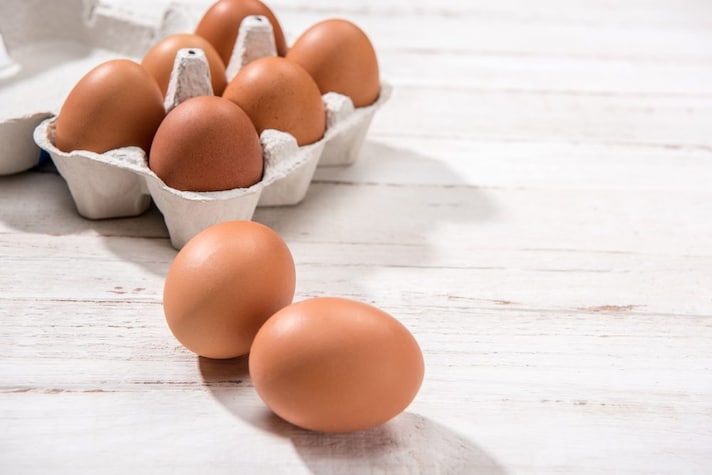
There are two possible mistakes here. The first is using cold eggs straight from the refrigerator: they will lower the temperature of the water once immersed, thus delaying the coagulation of the egg white. It's best to leave them at room temperature for 15 to 30 minutes. The second mistake is breaking them by banging them on the side of the saucepan: you run the risk of dropping shell fragments into the water, as well as damaging the yolk. It's best to crack them open in a separate bowl so you can have better control over the pouring.
3. Not Acidifying the Water
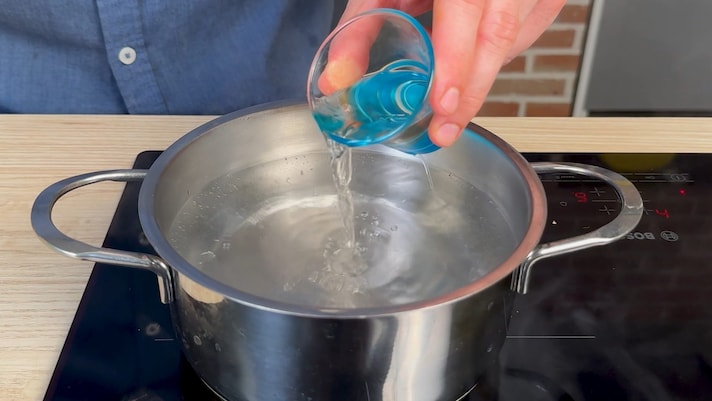
Vinegar is an important ingredient in this recipe, as its addition lowers the pH of the water, encouraging the egg white to solidify, which will wrap around the yolk to form a characteristic skin. Obviously, you need to choose the right type, the most neutral possible: opt for white wine vinegar, not apple cider vinegar, which is aromatic, nor balsamic vinegar, which has a completely different consistency. Don't overdo it: a teaspoon per liter of water is enough.
4. Choosing the Wrong Pan
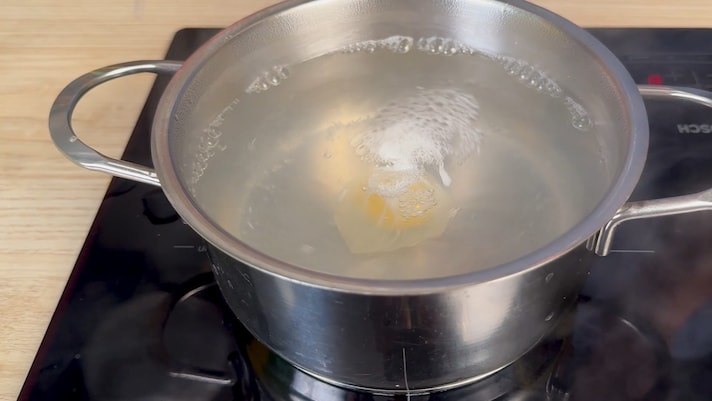
The more minimalist the recipes, the more precision they require: if you're not an expert, the advice is to work with one egg at a time, rather than multiple eggs at once. To do this, opt for a large saucepan (about 20 cm in diameter) with high sides (at least 10 cm), where the egg can "float" without touching the edges and be easily removed once ready.
5. Boiling The Water
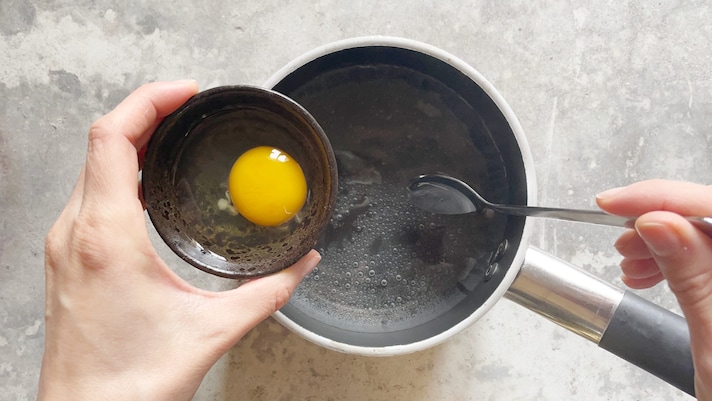
The impact of the egg with the water should not be violent: its components are very delicate and risk fraying or breaking. The water will be hot upon contact (between 175/80 and 185°F/85°C), with light bubbles that simmer, but not actually boiling.
6. Overdoing the Vortex
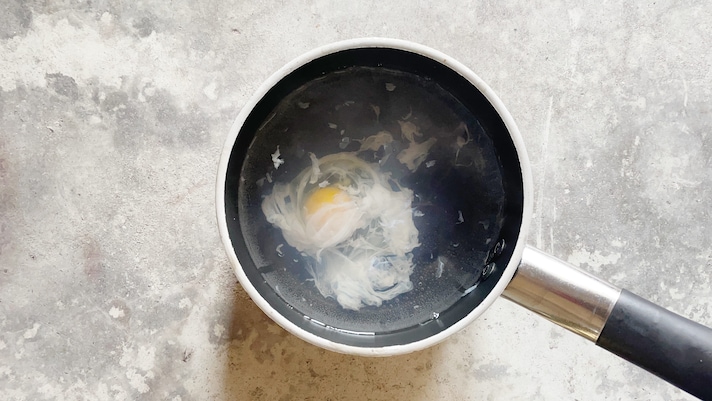
The technique for poaching an egg requires that before placing it in the saucepan, you create a vortex, which helps the egg white completely surround the yolk. This involves making a circular motion using a whisk or spoon, so that the egg is then placed in the center. The whirlpool must be gentle and not tornado-like, or the egg white will tear. Another tip: don't touch the egg while it's in the water, because it will do everything on its own.
7. Not Keeping an Eye on The Cooking Time
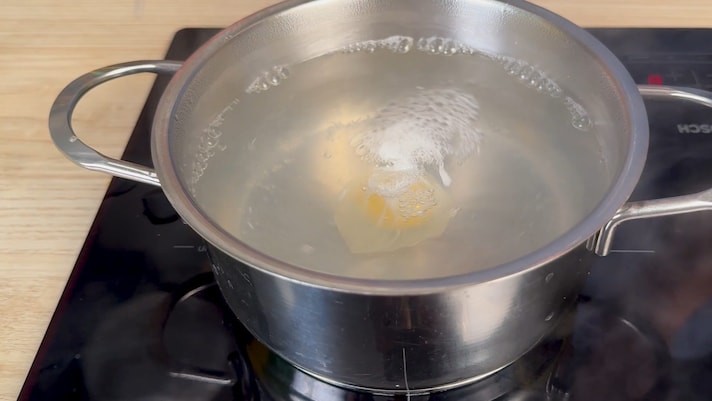
The success of this preparation lies in the fact that the egg white sets, while the yolk remains creamy, with the wow effect of the flow when cut. From this point of view, it is forbidden to not set a precise cooking time, as is generally the case with recipes that feature eggs, from hard-boiled eggs to fried eggs. This play on textures is therefore fundamental, and is achieved by setting the timer to 2.5–3 minutes with classic medium eggs.
8. Not Changing Dirty Water
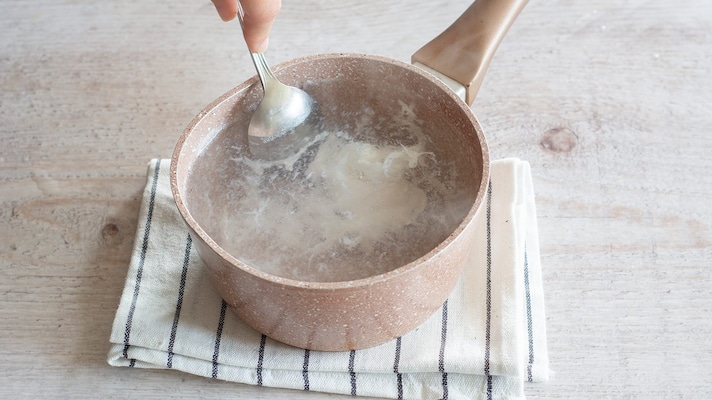
When cooking one egg after another, the water may become cloudy due to the egg white residue remaining in the pan. This will affect the results of the next preparation, so it's best to change the water and start over.
9. Pulling The Egg Out the Wrong Way
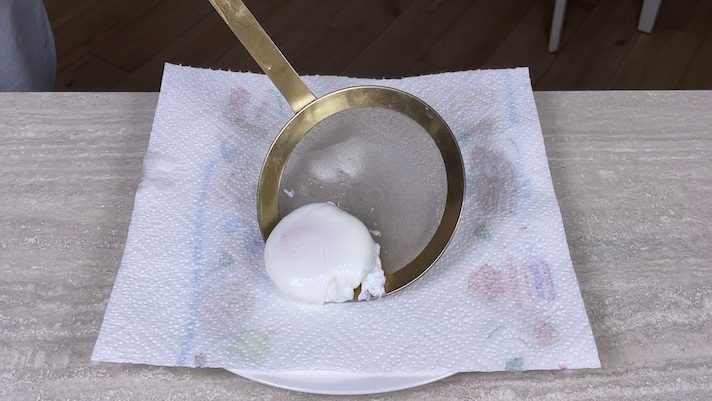
Once the egg is ready, grab a slotted spoon: the perforated surface allows the egg to drain, eliminating excess water so it doesn't end up in other dishes. Poached eggs are a quick recipe: they should be served as soon as they're ready. If you're making a larger batch, gradually place the eggs in a bowl of ice water to stop the yolk from cooking.
;Resize,width=767;)
