How often do you make a seemingly simple pasta dish, but in practice it turns out to be disjointed and unappetizing? Much more often than you'd like, because this type of pasta dish is so common that many details tend to be overlooked. A key role, for example, is the correct combination of sauce and pasta shape: sometimes tradition helps, other times, however, the match is less intuitive and mistakes are likely. Before exploring the perfect pairings, it's important to make sure the sauce is prepared and incorporated with the following in mind:
- The right consistency: it should be neither too runny nor too thick. The result will be a watery sauce that runs off the pasta or, conversely, dry. Paying attention to cooking times and using ingredients like onion, soffritto, oil, and butter (which are fats) affect not only the flavor, but also the texture.
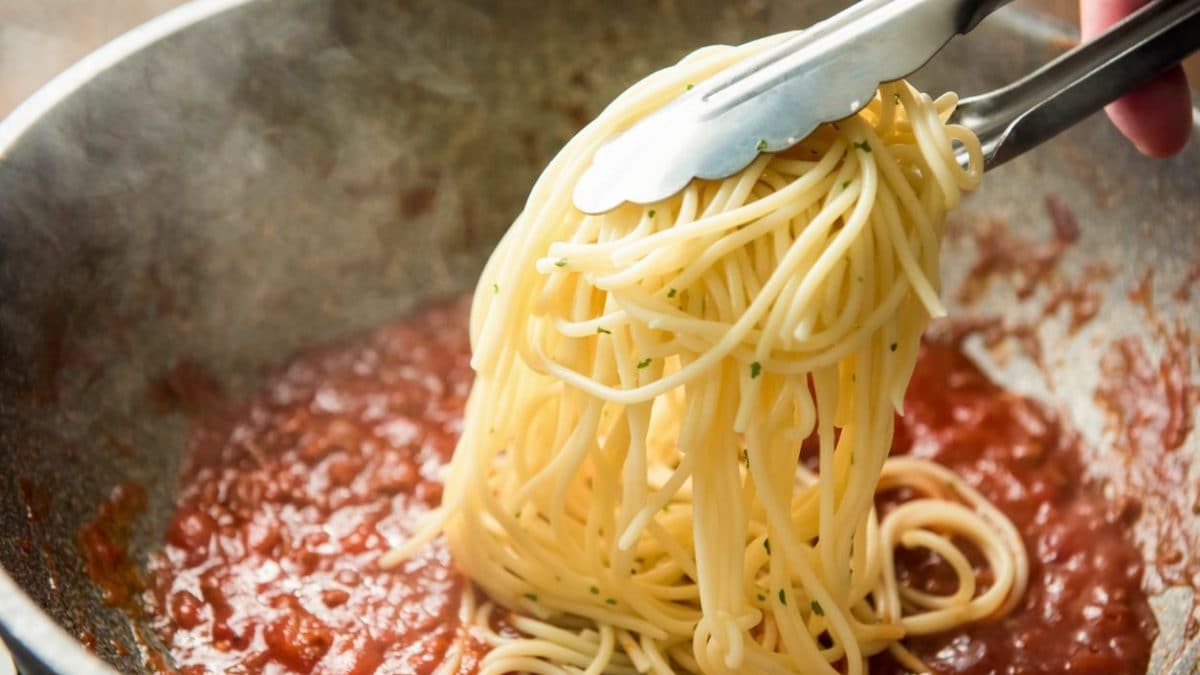
- Using the cooking water: While in the past, sauce was poured directly over drained pasta, relatively recently the preference for creamy sauces has led to the use of a chef's trick at home: adding the pasta to the pot of sauce and stirring to combine, adding a little of the pasta's cooking water. The released starches act as a glue, giving a uniform texture.
- Respect the proportions: the pasta shouldn't drown in the sauce, but the sauce shouldn't be so sparse as to be lacking in impact. Large quantities are welcome when the recipe calls for mopping up the sauce, but don't forget that some sauces, in large quantities, can be cloying or heavy.
Best Pasta Shapes and Sauces Pairings
If the sauce is perfectly crafted, the next step is to pair it with the pasta shape that best enhances it, so as not to risk having a dish with two flawless components that don't quite mesh together. Between long pasta and short pasta, here are the most successful pairings, why the combination works so well, and the recipes to try.
1. Spaghetti

It's no coincidence that spaghetti consistently holds pride of place in Italians' favorite pasta shapes. This is primarily due to its versatility, as it can accommodate a wide variety of sauces, from a hearty carbonara to a simple tomato and basil sauce. For the former, opt for thicker spaghetti or spaghettoni, which are more robust, while for the latter, thinner spaghettini are also suitable. Typically, they pair well with fluid, enveloping oil-based sauces (such as spaghetti with clams or garlic, oil, and chili pepper) that are evenly distributed across the entire surface.
2. Linguine

Similar to the previous ones, they are recognizable by their slightly flatter shape, which allows the linguine to absorb and retain emulsions of oil, wine, and fish stocks or pleasantly savory shellfish bisques. For this reason, they are often paired with light and quick seafood sauces, made with fresh tomatoes and high-quality ingredients, in simple yet refined dishes such as linguine with scampi, lobster, or seafood.
3. Bucatini

Make way for hearty sauces with a good dose of fat, such as the classic amatriciana or bucatini alla marchigiana, where the standout feature is a full-bodied tomato sauce accompanied by guanciale, pancetta, diced ham, and generous sprinklings of pecorino or parmesan. Bucatini is a "large" pasta shape typical of Lazio, strong and rustic, characterized by a small central hole that allows the sauce to insinuate itself, thus creating a decidedly rich morsel. It is suited to the most authentic regional recipes, such as the Sicilian bucatini ro' malu tempu, with sardines, or bucatini alla Caruso, a Campanian (and vegetarian) tribute to the famous tenor.
4. Tagliatelle

Among the best-known egg pasta varieties are tagliatelle, which can be found fresh (even homemade) or dried. They have a porous texture and a width that must be 7 mm when raw and no more than 8 mm when cooked, as per the "golden measure" registered with the Bologna Chamber of Commerce in 1972, at least for the Bolognese tagliatelle tradition. They are larger than fettuccine and tagliolini, and smaller than pappardelle. What they have in common, however, is their rough surface, which makes all these types suitable for structured sauces and ragùs (so much so that they are often a must-have in autumn and winter), from traditional Bolognese to game, as well as mushrooms and vegetables like radicchio.
5. Penne

Penne can be compared to spaghetti in terms of versatility. The most common on the shelves are the ridged type, with external grooves that allow the sauce to bind easily and remain trapped in the internal cavity: therefore, green light is given to thick sauces like penne all'arrabbiata , but also to chunks of fish, meat, cured meats and vegetables. Don't underestimate the (in the past) maligned smooth penne either, because they are better suited to fluid and velvety sauces, for example those inspired by the 1980s, which feature a touch of fresh cream mixed with tomato sauce, such as pennette alla vodka and penne al baffo.
6. Fusilli

Fusilli instantly make you happy and are as popular as spaghetti and penne. Their twisted, spiral-shaped shape is an irresistible attraction for soft sauces and dressings, such as pesto and its countless variations, creamed vegetable soups —alternating according to the season, between pasta with pumpkin and pancetta, broccoli and chickpeas, or eggplant —or mixed with feta, ricotta, or gorgonzola, which are particularly suitable for stirring.
7. Rigatoni

Rigatoni, like mezzelumi and mezze maniche rigate, are among the best shapes for full-bodied, rustic sauces (try the ciauscolo and eggplant sauces), a bit like bucatini do in the long pasta category, thanks to their solidity and the large diameter of the central opening, which can accommodate meat, fish, vegetables and generously-sized mixed tomato or plain sauces, also to be used in baked variations and timbales with béchamel and stringy cheeses.
8. Farfalle

Delicate, creamy sauces are farfalle's best friends: this pasta shape immediately inspires a certain lightness (and spirit) and for this very reason it often appears in cold summer recipes, alongside simple, colorful ingredients, such as in cold pasta with Trapani-style pesto, in pasta with zucchini, or with avocado and tuna. Salmon farfalle are an evergreen, harking back to the timeless 1980s.
9. Paccheri

Wide, flat, and with a large hole in the center, they can be either ridged or smooth, accommodating velvety yet full-bodied sauces, such as paccheri alla napoletana, super flavorful with lard and tomatoes, or paccheri al coccio, a Mediterranean-style recipe. Paccheri, moreover, make a fine appearance in many gourmet “starred restaurant” dishes: the most famous are the creamy paccheri alla Vittorio, with three different types of tomato, but there are also many options with light or more substantial fish sauces and ragùs, such as paccheri with calamari, tomatoes, and olives, or seafood carbonara.

