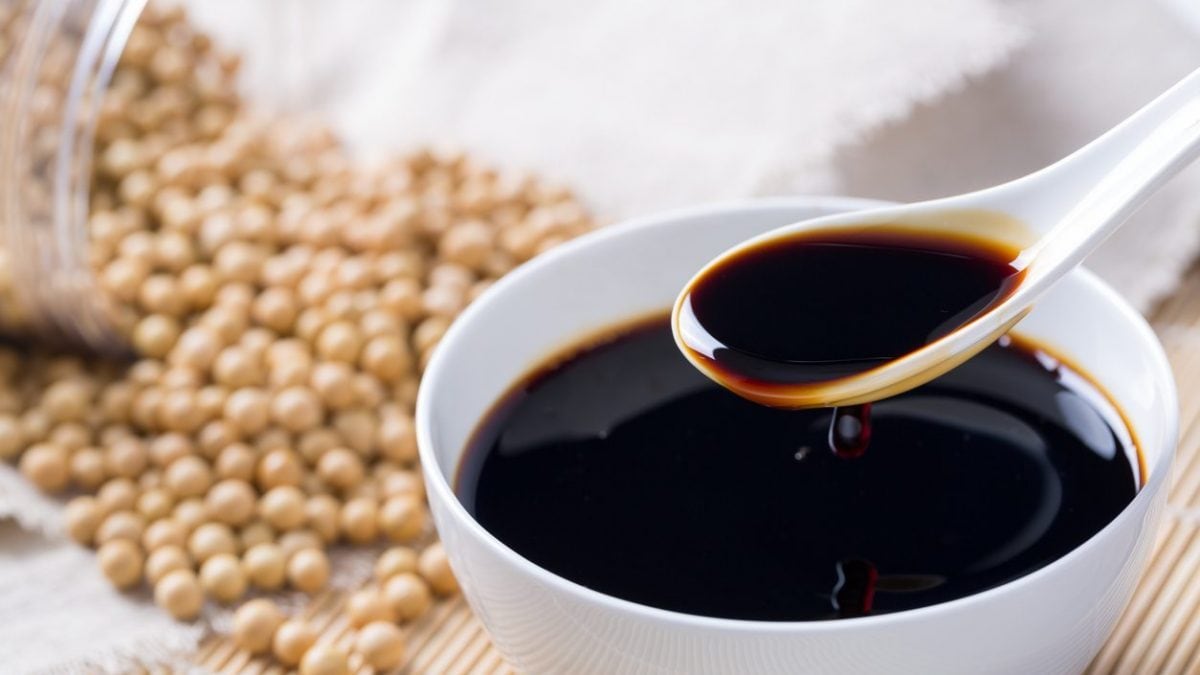
Soy sauce hardly needs any introduction: thanks to globalization, the most popular condiment in Eastern cuisine—especially Chinese and Japanese, but also Filipino, Korean, and Indonesian—has become familiar to the Western world. Loved for its intense, savory flavor, soy sauce is also a very ancient preparation: its origins are attested in China during the Western Han Dynasty, around the 2nd century AD, although fermented sauces have been known in that region since ancient times (c. 1000 BC, Zhou Dynasty).
What makes soy sauce so beloved is its great versatility in the kitchen: whether it's vegetables, noodles, meat, or fish, this condiment not only adds flavor to any dish, but can even be used as a substitute for salt and even directly in cooking. Despite its widespread use in the West, there are still many things we don't know about soy sauce: for example, did you know that there are different types, not just one? Here's a guide to understanding all the characteristics and uses of this tasty condiment, so you can make the most of it.
What is Soy Sauce?
The term soy sauce refers to a series of sauces that share a common appearance—a brownish liquid with a salty flavor known in Japan as umami —and a similar process. Soy sauce, in any form, is obtained by processing soybeans , which are treated in a very specific manner: yellow soybeans are mixed with toasted wheat, to which salt and koji, a fungus that activates the fermentation of microorganisms, are then added. The fermentation phase, essential for obtaining the sauce, can last 10 to 12 months and takes place in special cedarwood containers that help intensify the final flavor of the sauce. Once this period has passed, the pressing and pasteurization phases are carried out, the final steps before the finished product is ready to be used in all kinds of hot and cold recipes, even desserts.

Soy Sauce Types
Although we're now accustomed to finding soy sauce on our supermarket shelves, we don't realize how vast the world of this condiment actually is: in Eastern cuisine, there are many different types of soy sauce, each with specific characteristics and uses. Only in Japan, for example, can you find various types, all of which have in common the fact that they're made with wheat and therefore have an overall sweeter flavor than sauces from other countries.
Among the most popular varieties of Japanese soy sauce, koikuchi shoyu (dark soy sauce) and usukuchi shoyu (light soy sauce) certainly stand out: these are the two varieties also found in the West and which we've become accustomed to consuming. Both are prepared using the traditional process with steamed yellow soybeans, toasted wheat, salt, and koji, and are best enjoyed raw as a dressing for salads and vegetables, or mixed with extra virgin olive oil to drizzle over grilled chicken breast or pan-fried fish.
Three other types of soy sauce are popular in Japan: shiro shoyu (white soy sauce, with a very delicate flavor), saishikomi shoyu (twice-fermented soy sauce, with a very intense flavor), and the most famous, tamari shoyu. The latter is considered the original Japanese sauce and more prized than all other types, thanks to its even more intense flavor, derived from the absence of wheat among the basic ingredients, which include only yellow soybeans, salt, and koji. This is, in fact, the ideal sauce for preparing and accompanying sushi and sashimi, but it is also suitable for marinades and dips because it has a very low saltiness. For the same reason, it can also be added to pasta or rice cooking water to add a boost of flavor and can even be used in desserts.

Chinese cuisine also boasts several types of soy sauce, with styles and flavors that vary from region to region, but the two main types are: light soy sauce, a cooking sauce used in Cantonese cuisine to season sauces and soups, for light marinades and stir-fries, and dark soy sauce, which is saltier and more viscous due to the addition of sugar or molasses; it is used exclusively for cooking, often added in the last stages to flavor and add color to dishes.
Soy sauce is also used in other Far Eastern countries and exists in many variations. In Indonesia, fermented sauces are called kecup and are divided into asin, similar to the light Chinese sauce but thicker and more aromatic, and manis, very sweet and thick due to the addition of palm sugar. In the Philippines, a particular soy sauce called toyò is produced, which follows a process similar to that of Japanese sauces but with the addition of caramel, which makes it thinner and saltier. Finally, in Korea, the most widespread and traditional soy sauce is hansik ganjang, made from fermented soy blocks and brine and perfect for soups due to its distinct flavor.

How to Use Soy Sauce in Cooking
As you may have guessed, each type of soy sauce, in its country of origin, is used specifically for a particular type of cooking and to season certain foods. We don't have this wide variety of sauces at our disposal (unless you visit a specialized ethnic store in the country in question), but even with the classic soy sauce you find on the market, you can create countless different recipes.
First of all, soy sauce is an excellent condiment that you can add to practically any dish: you can pour it raw on salads or cooked vegetables, you can use it to flavor meat after cooking, but you can also add it to batters or brush it on burgers and steaks before cooking. Soy sauce is excellent for marinades because it adds a truly special flavor, but it can also be a base or component for the preparation of more unusual sauces, such as the famous teriyaki sauce.
You can also use soy sauce directly during cooking, primarily to prepare great Asian classics like chicken, tuna steaks, or noodles, but you can also adapt it to other types of recipes, even to flavor pasta or rice and to cook soups, broths, and ragùs. When combined with honey, soy sauce is excellent for glazing meat: just brush the steaks shortly before cooking and it will create a delicious crust.
;Resize,width=767;)
