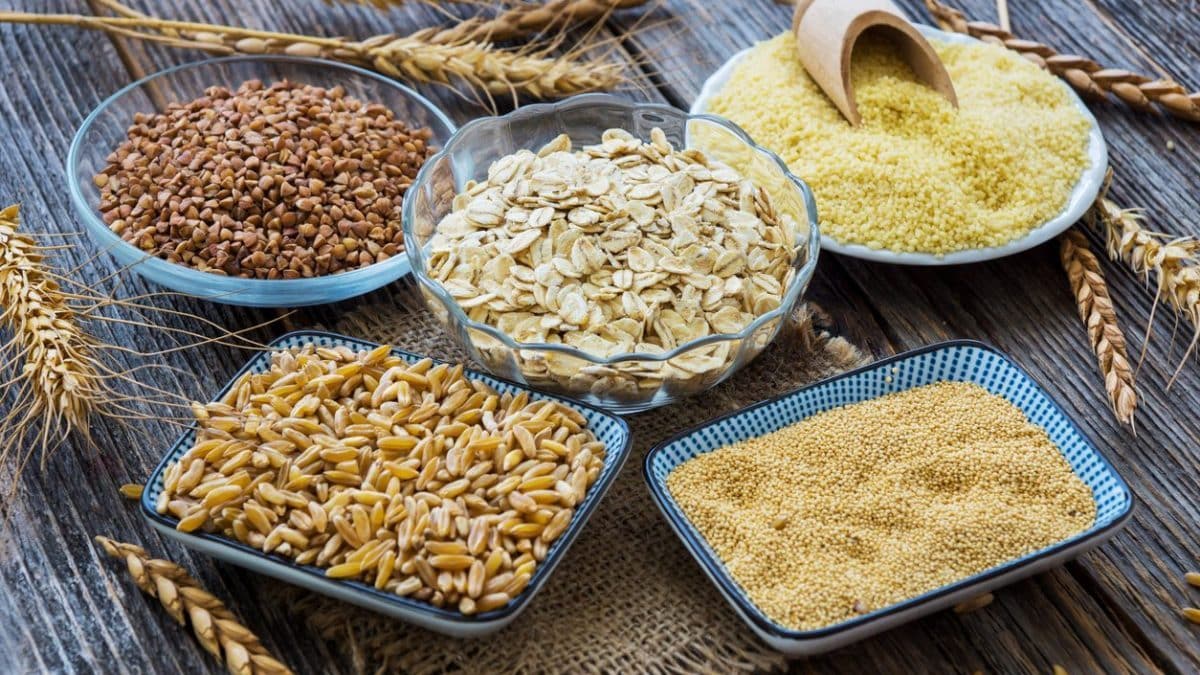
We probably remember it from elementary school: since the time of the first agricultural civilizations, such as those of the "Fertile Crescent", cereals have represented the basis of the human diet. These are plants belonging to the Gramineae family that have been cultivated for millennia – wheat was probably the first, a good 10,000 years ago – and which still play a fundamental role in the diet of many populations (just think of the Mediterranean diet). They are the quintessential source of complex carbohydrates, mostly present in the form of starch, useful for the functioning of our body as they provide "slow-release" energy and fiber, vitamins (especially B group), mineral salts (such as phosphorus, zinc, magnesium) and plant proteins, especially in their whole version, where the grain retains intact its three component parts: the bran, the germ and the endosperm. Unrefined cereals preserve their nutritional properties better, providing health benefits, as well as being more digestible.
Grains are extremely versatile and can be used in a wide variety of dishes: this is also why they have survived to this day. However, they are not all the same: each has unique characteristics, which also differentiate their uses in the kitchen. Let's take a look at the most popular types.
1. Wheat
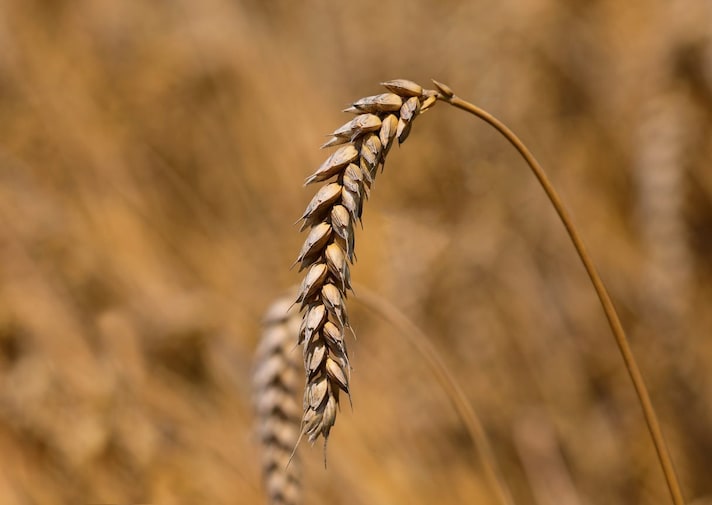
Wheat, also called grain, is one of the most popular cereals in the world, native to the areas of the Mediterranean, Black and Caspian Seas. It can be divided into two main varieties: soft wheat (triticum aestivum) and durum wheat (triticum durum). Both are commonly used as flour: the former gives rise to classic flour, in its classifications (00, 0, 1, 2, wholemeal), while the latter, once ground, becomes semolina. They are used to make bread, pasta, pizza and desserts. From durum wheat, bulgur (cracked wheat) is obtained. The grains are steamed, dried and reduced into small pieces of different sizes, more or less fine: easily digestible, they are used to make soups, salads or other cold dishes with a healthy twist.
2. Rice
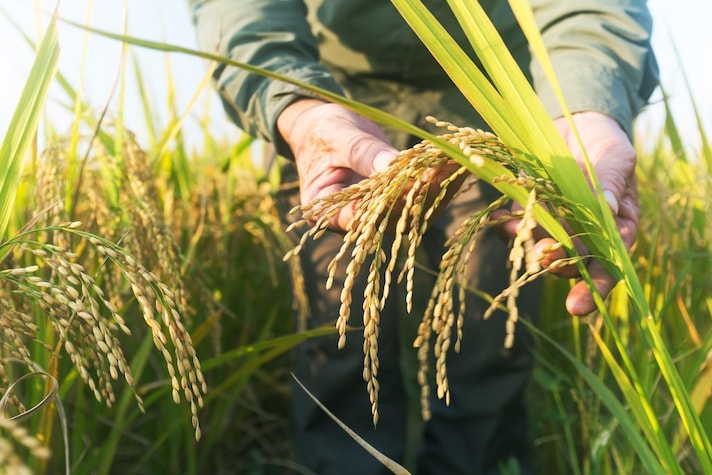
Rice is the most consumed food in the world: a cereal that has fed billions of people for millennia, especially in Asia, Africa, and South America. Its popularity has always been linked to accessibility: it is, in fact, a food that combines affordability with its nutritional values. Rice is naturally gluten-free, therefore also suitable for those suffering from celiac disease. The most famous varieties are those for risotto, rich in starch and resistant to cooking, such as Carnaroli, but depending on the type, it can be used in salads, soups, flans, and desserts: a truly versatile ingredient. Rice flour plays an excellent role as a thickener for gluten-free creams and sauces, or for crunchy breading, while it is less recommended for breadmaking, precisely because it is unable to form the gluten network.
3. Barley
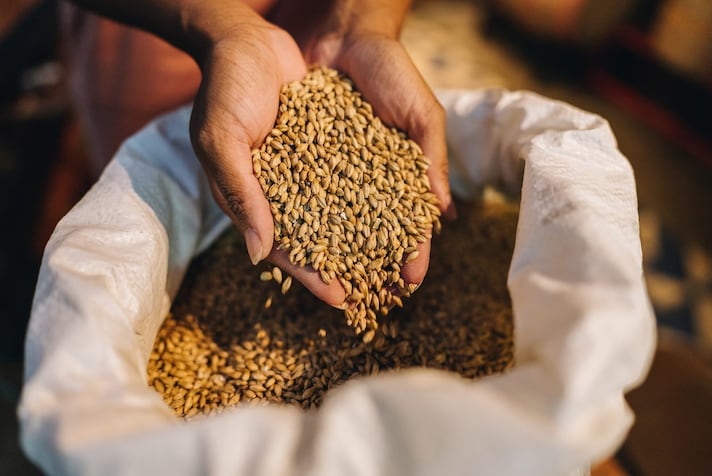
Barley is also a cereal that we could define as multitasking. It can be used in the form of grains, flakes, flour, or powder (ground and toasted) as a base for barley coffee, which contains no caffeine. Furthermore, the ancient Romans already used it to produce alcoholic beverages such as beer. Depending on the level of refinement, barley can be found commercially whole, hulled (the outer part of the grain is removed), or pearled: the latter has the advantage of reducing cooking times, but loses significant amounts of fiber. Barley flour has a low glycemic index. In recent times, it has often become an alternative to rice: hence the creamy orzotto, which is cooked by absorption, the same technique as risotto.
4. Corn
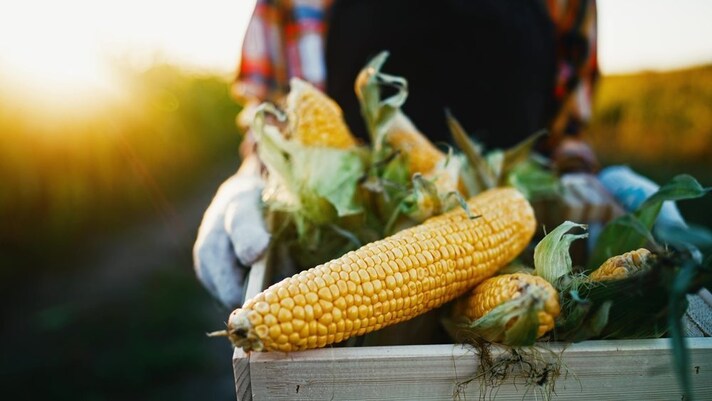
Having arrived in Europe after the discovery of America, corn is the king of Mexican cuisine, used to make traditional dishes such as tortillas, quesadillas, tamales, and many others. In cooking, corn is used in many forms: from the whole cob, boiled or roasted (even as street food), to the shelled kernels (packaged in boxes or cans) that enrich salads or are reduced to creams and soups. This cereal is also processed to obtain flour, the undisputed starch of polenta or wholesome cakes, and cornstarch (called maizena), one of the most well-known thickeners. Corn is also the basis of a much-loved snack, popcorn. Corn cobs can have different shades: yellow, white (like South American white corn or the native Venetian variety Biancoperla) or dark, like the purple-hued maize, thanks to their anthocyanin content, antioxidants that determine its color.
5. Spelt
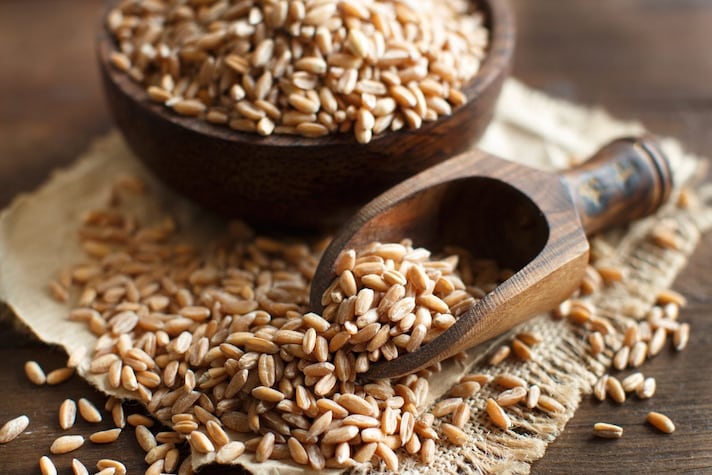
Spelt is an ancient grain, considered the ancestor of wheat. Its grains have a compact consistency that holds up well to cooking and a distinctive flavor that have made it increasingly popular as an ingredient in tasty and healthy dishes, both hot (such as soups and broths) and cold (salads): it is more digestible than wheat, and like barley, it has a low glycemic index and promotes a feeling of satiety. There are three varieties (einkorn, dicocco, and spelt) and it can be found whole, hulled, or pearled. Additionally, flours for making bread, focaccia, and biscuits, as well as pasta substitutes for wheat, and pre-cooked spelt, ready to use, also appear on the shelves.
6. Oats
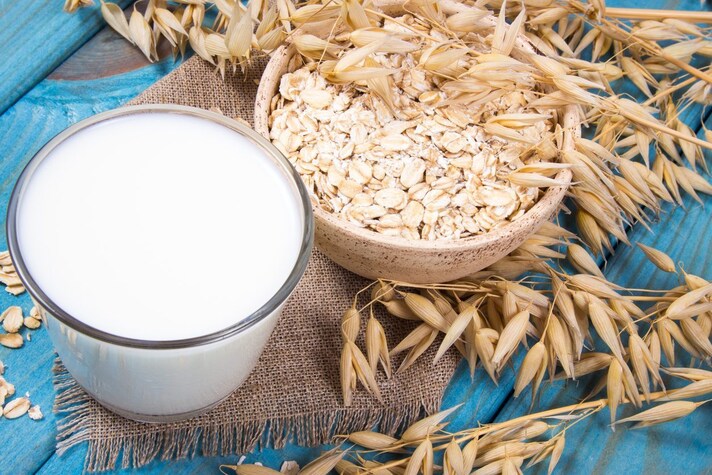
Known for their high fiber content and ability to regulate metabolism, oats are often eaten in flakes, perfect for breakfast in porridge, with yogurt, or as a component of granola. Their flour can be used to prepare biscuits and cakes: oats are also used to make plant-based drinks as an alternative to milk. For a long time, they were a cereal relegated to animal feed only, before their nutritional properties were reevaluated.
7. Rye
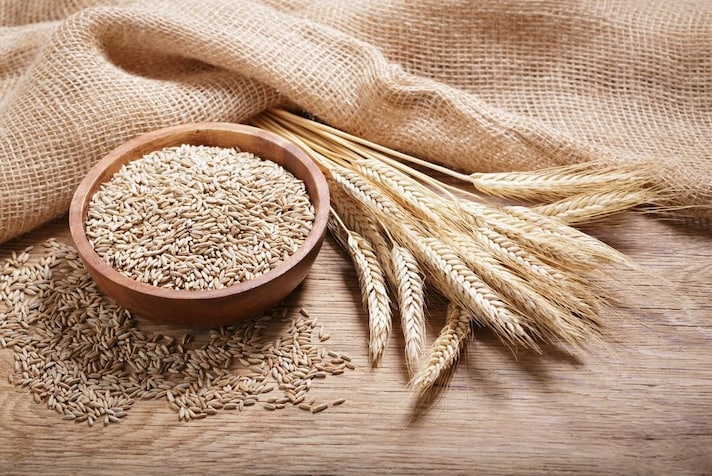
When you think of rye, you immediately think of Germany and Northern European countries, with their dark, intensely flavored breads. At the same time, it's a grain typical of some Midwest and Great Plains regions, where rye flour (and bread) are widely produced, such as North Dakota, Minnesota, Wisconsin and Michigan. It's characterized by a high percentage of fiber compared to other grains, in proportion to carbohydrates and proteins. It also has a low gluten content, but not enough to make it suitable for those with gluten intolerances.
The "Minor Cereals", Millet, Sorghum and Teff
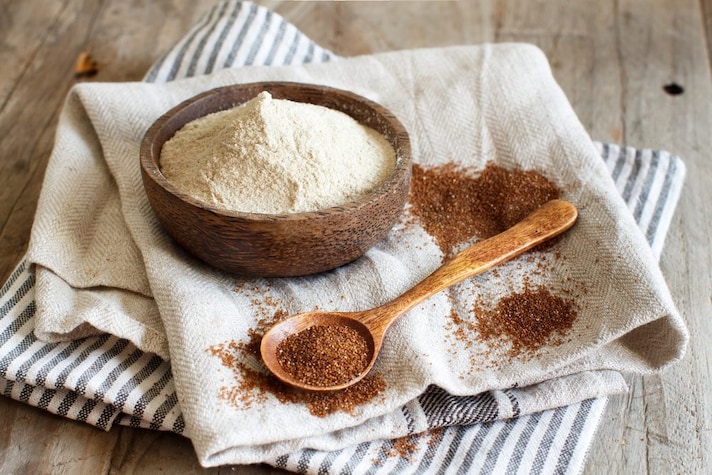
In addition to the most common grains, there are also less common types, but equally interesting from a nutritional and culinary standpoint. Millet, an ancient grain with a high energy content, is gluten-free and particularly digestible. It is used to prepare soups and vegetable burgers, as well as in macrobiotic cuisine, where it is appreciated for its alkalizing properties. Sorghum is a highly drought-resistant grain, originally from Africa and increasingly popular in the U.S. for its versatility. It can be eaten whole, ground into flour for baked goods, or used to make plant-based breakfast drinks. Teff, originally from Ethiopia, is the smallest of the grains: the grain, given its extremely small size, cannot be broken down, remaining rich in fiber and with a low glycemic index. It is used in the preparation of injera, a fermented bread typical of Ethiopian, Eritrean and Somali cuisine, while the flour is used to make dry pasta (such as legume pasta) as an alternative to traditional wheat pasta.
Which Cereals Should You Choose if You're Celiac?
Among the grains we've seen so far, those that contain gluten are: wheat, barley, rye, spelt, and oats. Rice, corn, millet, sorghum, and teff are naturally gluten-free, making them suitable for celiac disease sufferers. However, there are also so-called pseudocereals, which, while not belonging to the Gramineae family, produce seeds rich in starch and with a nutritional profile similar to cereals, making them ideal for those following a gluten-free diet. Buckwheat, for example, is a herbaceous plant from the Polygonaceae family: it's easily found in flour form, which can be used to make a variety of recipes, including cakes, biscuits, pasta, polenta, and even bread. Equally well-known is quinoa, which hails from the Andean regions and contains more protein than cereals: the green light is given to one-pot meals enriched with seasonal vegetables. Finally, here is also amaranth, also with protein seeds, which boast a high fiber content: an ideal food for the good functioning of the intestinal tract, it can be brought to the table in the form of vegan burgers, salads and soups, better if combined with legumes.
;Resize,width=767;)
