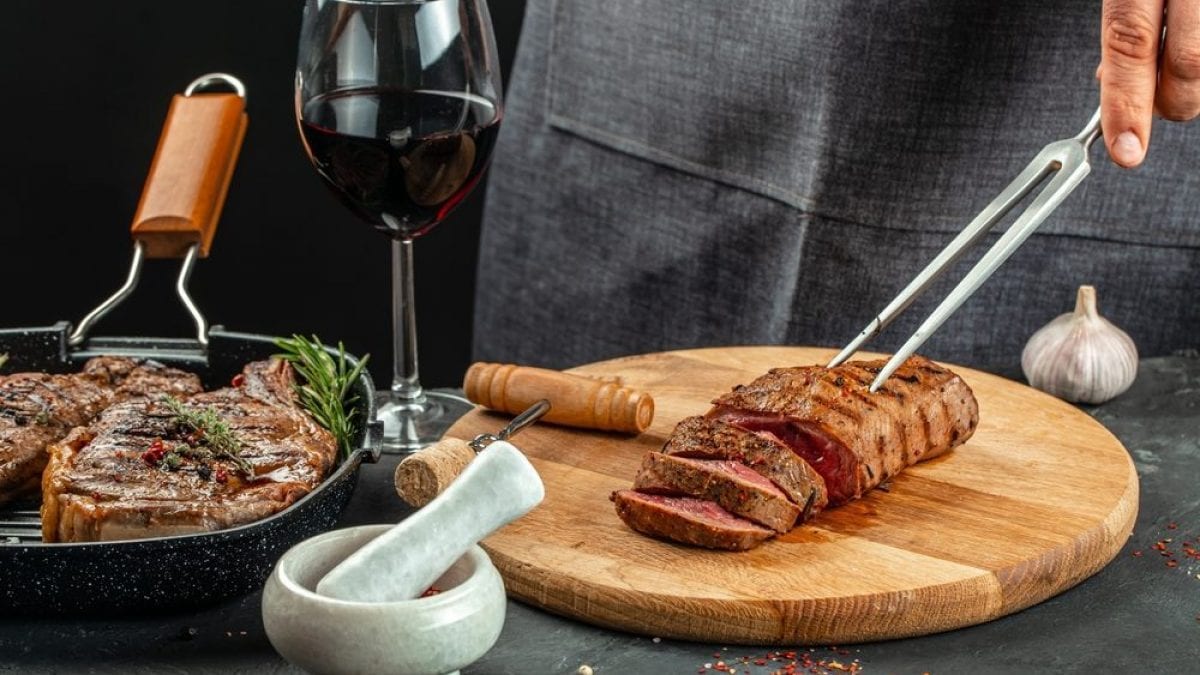
Talking about meat may seem simple, but choosing the right wine to pair it with—whether to impress friends at a barbecue or to impress your in-laws at dinner—is a whole other story. But fear not: today we'll explain how to choose wines to pair with meat, taking into account some key factors: the type of meat, its fattiness, how it's cooked, the seasoning, and even the regionality of the dish. And let's not forget that, in addition to classics like reds, white and rosé wines can also be paired with meat, with excellent results. Here's a simple guide to learn how to pair wine with the meat you've chosen to order or cook.
The Basic Rules for Pairing Wine With Meat
To be on the safe side when pairing wine with meat dishes, keep these key aspects in mind:
- Type of meat: red, white, game, pork, mutton: each type has a different structure, intensity, and flavor.
- Fat: Fattier cuts (like sausages or ribs) require wines with good acidity or present tannins, to degrease the palate.
- Succulence: The presence of juices, sauces, or condiments increases the perception of softness, and a wine with alcohol and structure is needed to balance it.
- Sweet tendency: some meats (e.g. veal or pork) have a natural sweetness, which should be balanced with fresh, savory wines.
- Aroma and spiciness: if the dish is rich in spices or aromas (such as game or marinated meats), an equally fragrant or complex wine is needed.
- Cooking and seasonings: the cooking method has a huge impact on the ideal pairing (we'll see how later).
- Territoriality: dishes and wines from the same geographical area often enhance each other.
Now let's get to the heart of the matter and look in detail at some examples of how to pair red, white, and rosé wines with ideal meat dishes.
What Red Wines Should You Pair With Meat?
If you think of a meat dish, you probably visualize a bottle of red wine next to it: often, this choice is very appropriate. Take, for example, a grilled red meat, succulent, with a strong structure: it calls for a red wine with equal personality. A grilled Florentine steak, for example: the ideal companion could be a medium-aged California Sangiovese, or a California or Oregon Grenache.
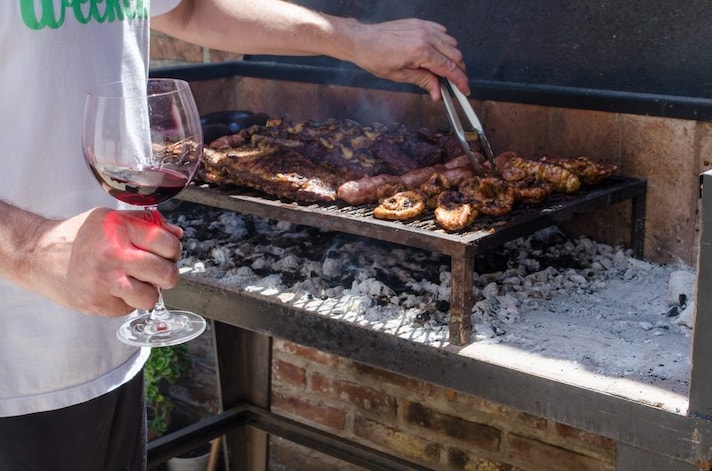
If you are a lover of game, aromatic and intense in flavors and aromas, you will have to opt for a complex, austere, persistent red wine: a California Petite Sirah or a California Zinfandel could be right for you.
If, on the other hand, you're thinking of red meat with a more or less pronounced sweetness, such as roast veal, you'll want to look for less tannic wines with good acidity and elegance. An example? A young Oregon or California Pinot Noir, or a Washington State Cabernet Franc.
How to Pair White Wines With Meat?
Just as fish can be paired with red wines, with the right precautions, meat can also be paired with white wine. We're thinking in particular of white meats: chicken, turkey, and rabbit, with their delicate and light flavors, pair perfectly with elegant and fragrant white wines.
A grilled chicken dish with aromatic herbs can be enhanced by a fresh and fragrant California Sauvignon Blanc or a vibrant and citrusy Oregon Pinot Gris/Grigio.
A stuffed turkey, delicate but more complex thanks to the addition of the stuffing, can be accompanied by a soft white wine with a good structure, such as a California Chardonnay (even lightly aged in wood) or a Columbia Valley or Finger Lakes Riesling.
For a more flavorful preparation, such as stewed rabbit, we can pair it with a structured wine, with an intense flavor and aromas, such as a California Vigonier or a California Sauvignon Blanc.

Perfect Meat and Rosé Wines Pairings
Often overlooked, rosé wines are actually among the most versatile pairings with meat. Medium-bodied rosés are perfect with light meats and cured meats, thanks to their freshness and subtle tannins. Be surprised by a California Grenache Rosé, a Pinot Noir Rosé from Sonoma or Willamette Valley, or a California Sangiovese Rosé.
A rosé with the perfect balance between structure and freshness is ideal for mixed, flavorful yet not overly complex dishes. It's the perfect companion for a mixed grill of pork and chicken: choose a California Zinfandel Rosé or an Oregon Pinot Noir Rosé for a surefire choice.
How to Pair Wine With Cooking Meat
The variable that most influences the pairing of meat and wine is undoubtedly cooking: this can completely change the dynamics between food and wine. An example? If you think of red meat, it's natural to pair it with a red wine. But what if the meat were raw? The structure of the dish would be completely different, and probably more suited to a rosé wine with personality, yet endowed with delicacy and elegance.
Here are some practical tips you can use to guide you in choosing the right meat and wine pairing, based on the type of cooking:
- Raw or rare (e.g., carpaccio, tartare): pair with light wines, with delicate tannins and good acidity. Some good examples? Oregon or California Pinot Noir, California Lambrusco-style sparkling reds, or a light-bodied California Grenache Rosé.
- Grilled or barbecued: when dealing with fattier, possibly smoked, meats, opt for robust, tannic wines. A California Cabernet Sauvignon, Washington State Syrah, or California Petite Sirah.
- Baked or roasted: given the concentration of flavors, which is accompanied by a more or less pronounced sweet and fatty tendency, choose structured but smooth wines. Some examples? A California Merlot, a Chardonnay lightly or moderately oaked, or a California Zinfandel.
- Boiled or stewed: this type of cooking tenderizes the meat. Look for softer, rounder wines, such as a California Dolcetto-style Pinot Noir, Oregon Grenache, or medium-bodied California Syrah.
- Fried or breaded: what better wine to wash down some bubbles? None. Opt for liveliness, vivacity, and complexity with a California or Oregon sparkling wines, Franciacorta-style sparklers, or a Valdobbiadene-inspired Prosecco from California.
;Resize,width=767;)
